
When hot weather sets in, it is easy to think that closing the shutters during the day and ventilating at night is enough. Yet one very simple detail can make a genuine difference. Sometimes, simply flicking a switch can make the house feel noticeably less oppressive.
The basic habit is still worthwhile, but it is not always enough
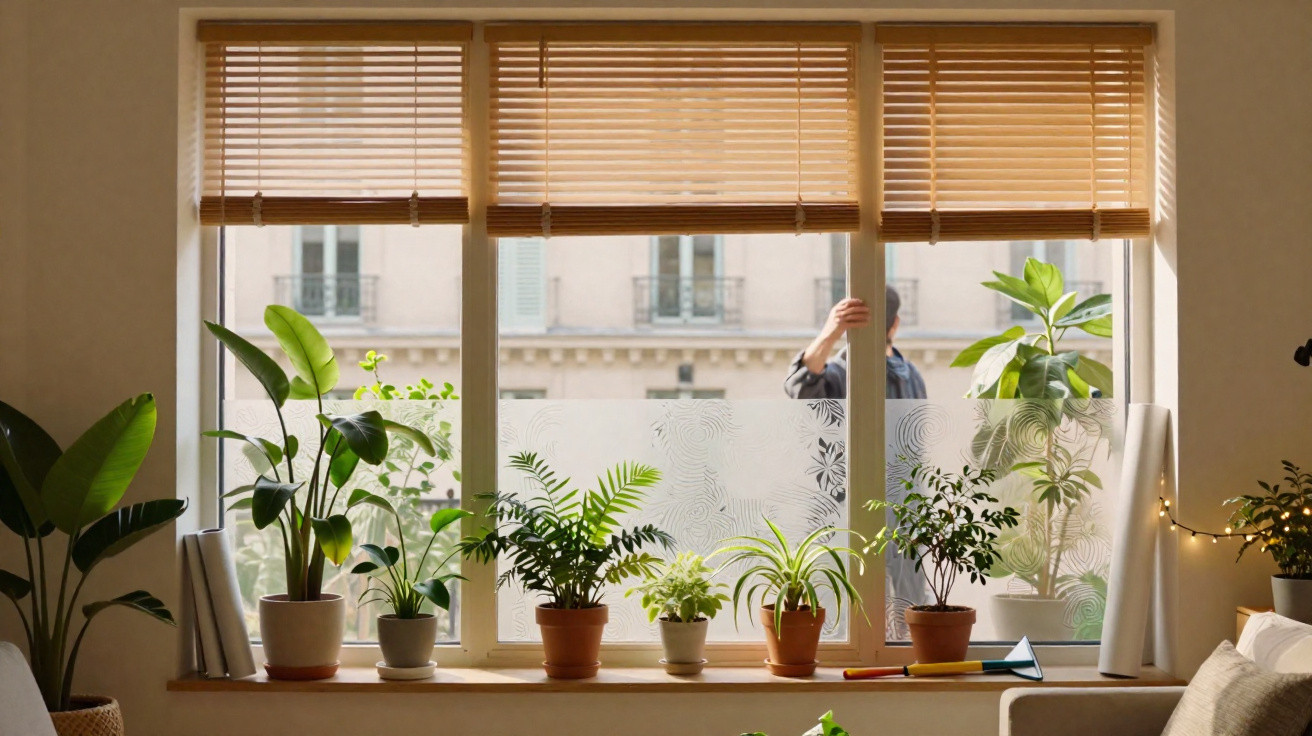
Closing shutters, lowering blinds and keeping windows shut during the hottest hours is still a sensible routine. The health ministry recommends it, and for good reason: it provides the first barrier against strong sunlight hitting walls and windows.
However, during a heatwave, this approach has its limits. Even when it is well protected, a home often retains heat. The air feels heavy, rooms become stifling, and a night of cooler temperatures is not always enough to clear it all away.
This is where many people overlook a more effective action. It costs nothing, takes only a second and can genuinely help make indoor conditions more bearable.
The ministry's recommended action that makes a difference
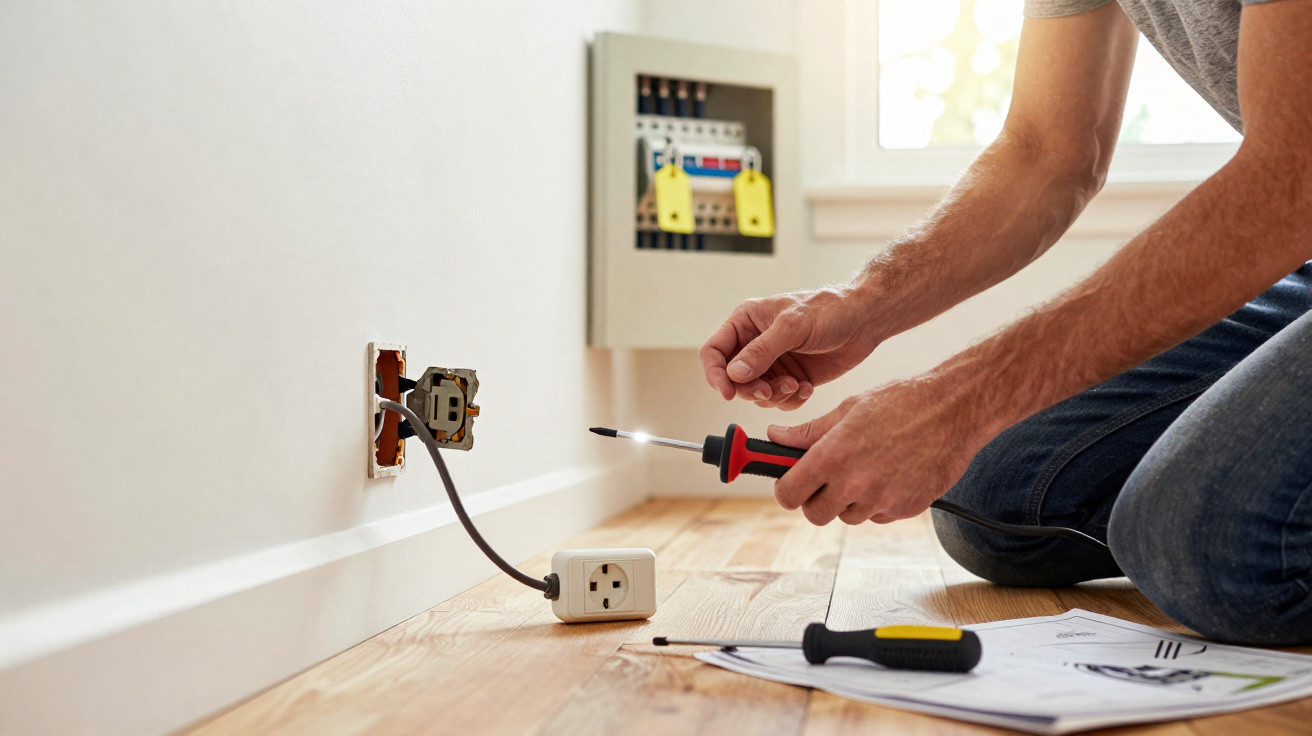
The advice is straightforward: switch off electrical appliances that are producing unnecessary heat. Do not just turn them off with a remote control, either. Where possible, also cut their power supply at the extension lead.
Why? Even on standby, certain appliances continue to give off a little heat: televisions, internet routers, computers, games consoles and chargers left plugged in for no reason. Individually, this may seem insignificant. Together, though, they become a small, invisible source of heat in the home.
It is not a dramatic change. But in an already warm bedroom, living room or home office, every degree matters. We often think about the sun, but can forget the everyday devices quietly working against us.
Why this habit changes the feel of a room
A room does not become hot solely because of the outdoor air. It is also warmed by everything inside that releases heat. A television left on, a running computer or a charger still plugged in may appear harmless. Nevertheless, they all add to that unpleasant feeling of a gentle yet persistent furnace.
By switching appliances off at an extension lead, you reduce these small energy losses. You also limit the number of devices needlessly left on standby. It is a smart, almost imperceptible step, but a very practical one when the thermometer rises.
There is another benefit, too. Taking stock in this way helps you get used to identifying what is genuinely needed and what is not. In summer, keeping things simple is a real help.
The right routine for cooling your home
During the day, keep the house closed on the side facing the sun. This is when outdoor heat is at its most intense. Opening windows then often simply allows scorching air indoors.
Once the air outside becomes cooler, on the other hand, open the windows wide. Early in the morning, late in the evening or overnight, leaving them open can create a through-draught. This is often the best time to refresh the atmosphere indoors.
Here is a simple routine to remember:
- close shutters and windows as soon as the sun becomes strong;
- switch off unnecessary electrical appliances at extension leads;
- air the home thoroughly once the temperature drops;
- avoid running several appliances at the same time.
It is not a magic solution, but it is a genuine strategy. And it works better than many people might expect.
If the air remains too heavy, spend some time elsewhere
Sometimes, despite taking all the right steps, the house remains stifling. In that case, do not hesitate to find a cool place for a few hours. A public library, cinema, museum or air-conditioned shopping centre can provide a real break.
The ministry also advises spending two to three hours a day in a cooler place, if possible. This is not a luxury; it gives the body a chance to recover. Heat quickly causes fatigue and affects sleep, mood and energy levels.
If you need to go out, remain alert when travelling by car. The inside of a vehicle can exceed 50 °C in under fifteen minutes. That happens very quickly - far too quickly to treat lightly.
Key habits to remember throughout the summer
Extreme heat calls for proper planning. Closing shutters during the day and ventilating at night remains the foundation, but it is only part of the answer. The frequently forgotten step is switching off electrical appliances that quietly generate heat.
In the middle of a heatwave, every small detail helps. A cooler home means less fatigue and a little more calm. When the days seem endless, this kind of simplicity can make a real difference.
Ultimately, there is no need to change everything. It is about making better use of what you already have: a closed shutter, a window opened at the right time and an extension lead switched off. It is a discreet trio, but a remarkably effective one.












Comments
No comments yet. Be the first to comment!
Leave a Comment