
A 40-year-old mother describes how the wish for a home of her own turned into an unrelenting test of her marriage, nerves and finances. Her account reads like the record of a dream gradually becoming a nightmare – yet she would not give up the house now.
The dream of owning a house becomes an obsession
It began with sheer excitement. At last, a house of their own, a garden for the children, a dog, and breakfast on the terrace looking out at the mountains. That was how Monika imagined her new life. She and her husband calculated costs, made plans, checked their borrowing capacity, and spent nights at the kitchen table discussing floor plans and tile designs.
“Images of the perfect family idyll were already playing in her mind – while the reality had not even begun with the paperwork.”
Once the construction mortgage was approved, anything seemed achievable. Their children would grow up surrounded by greenery, while the noise and cramped conditions of the city would become a distant memory. What they failed to appreciate was how much energy that dream would consume – financially, physically and emotionally.
Early mistakes: the plot, bureaucracy and misplaced expectations
Monika realised as early as the search for a plot that the dream came with a cost not measured solely in euros. She spent countless hours online and at council offices, checking utility connections, access roads and winter road maintenance.
One factor escaped her notice: in the mountains, the most beautiful views are often found in the shadiest spots. Only after changes had been made to the land register did they discover that their chosen position on the plot would be in shade for much of the day. The mountains she loved so much were taking the light away from the house.
The architect was at a loss, and the entire building plan had to be redesigned. The authorities were far from cooperative; every application brought further waiting periods and fresh discussions. While nothing had yet been settled on paper, another source of pressure was already emerging.
The bank appointment becomes constant stress
The mortgage was running, and the bank expected progress. Anyone building a home will recognise the spiral: money is paid out even before construction has properly begun. Monika rushed between work, council offices and the architect’s practice. By evening, there was barely any time left for the children, their homework or a conversation, never mind leisure time.
As a result, she slept badly and constantly worried about deadlines, interest and bills. One night, she woke with her heart racing, gripped by panic and certain that they would never manage the mortgage repayments.
When the dream divides the couple
Stress brought conflict with it. The atmosphere at home deteriorated, and minor issues became fundamental arguments. Who would call the architect? Who had misplaced which invoice? Who would make time for the children?
“Suddenly, more than the house build was at stake – it was about whether the marriage would survive.”
Monika recognised that it was not only the building plan that needed reconsidering, but their entire family set-up. Once again, they spent nights at the kitchen table, although this time they were not debating tile colours but the division of responsibilities and personal boundaries. They both wanted the house – just not at the cost of separation.
They defined more clearly who would handle what and when, who would take appointments and who would be there for the children. The house build could no longer be allowed to consume everything.
Renegotiating with the bank and making tough cuts
The build cost more than expected, and so did the emotional strain. The family sought help from a financial adviser and negotiated with the bank. The revised terms meant higher repayments and cuts to everyday spending.
Holidays? Cancelled or kept extremely cheap. Spontaneous purchases? Cut back sharply. Every euro suddenly mattered. At the same time, Monika found that having clear figures could be liberating. Vague anxiety gave way to a plan – even if it was a demanding one.
- Reprioritise phases of the build
- Allow for a contingency fund rather than stretching every last resource
- Track day-to-day expenditure consistently
- Set realistic schedules instead of relying on wishful thinking
A weekend with friends felt like a breath of fresh air. The children played, while the adults talked about old times rather than building sites. Only then did Monika realise quite how exhausted she had become.
Months of work – and unexpected talents
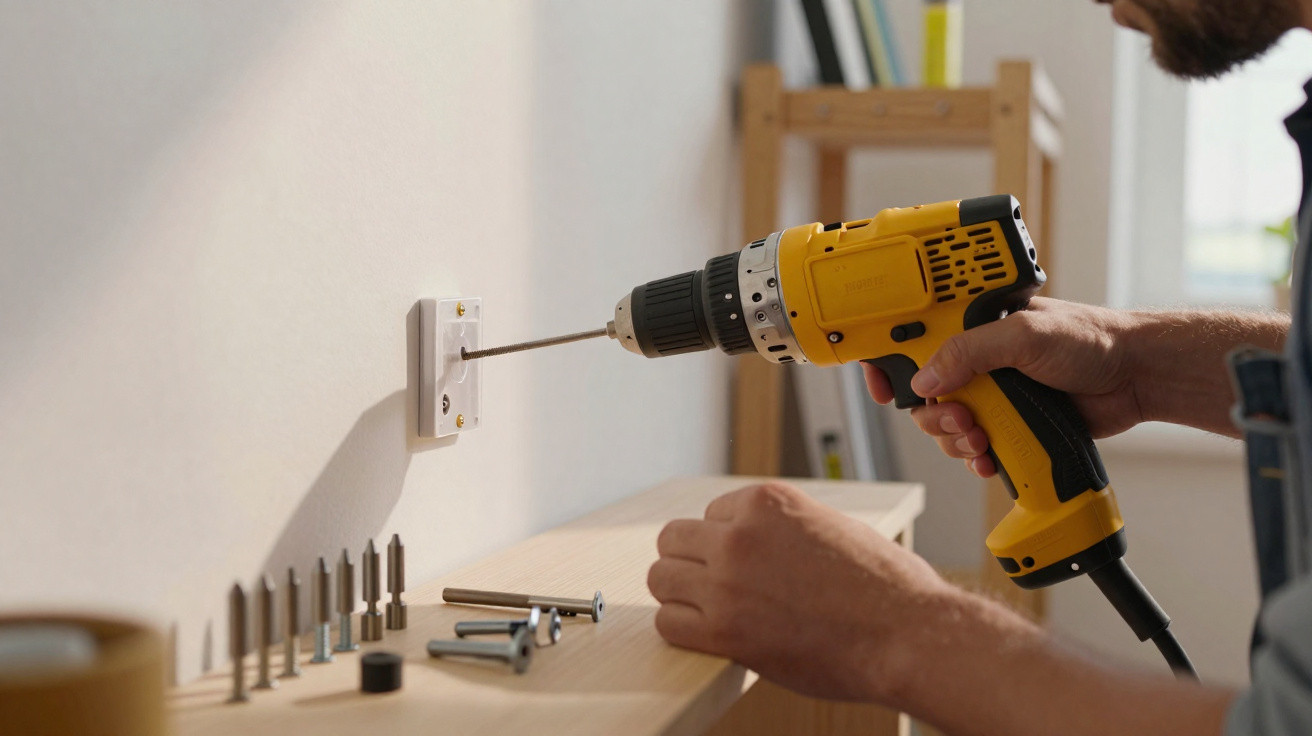
The months that followed became one continuous building site, both literally and figuratively. Work during the day, the site afterwards, then invoices, emails and decisions in the evening. Amid the tension, something surprising happened: both of them uncovered abilities they never knew they had.
“She learned how to deal with cables and fuses – while he suddenly flourished as a ruthlessly good negotiator.”
Monika developed a knack for electrical matters, while her husband negotiated down prices with tradespeople and suppliers. Rather than seeing themselves only as an overstretched couple, they began to view themselves again as a team building something together – in the most literal sense.
Moving in: clutter, boxes and the truth in the wardrobe
Once the shell of the house was complete and the most important work had been done, they decided to move in, even though not everything was finished. Their city flat suddenly felt too cramped, too noisy and too far removed from the life they had imagined.
Packing revealed how much clutter accumulates over a lifetime. Boxes full of things that “might come in useful again”, forgotten keepsakes, broken appliances and old clothes. Monika sorted through it ruthlessly. One particularly symbolic item was her husband’s wedding suit, which had not fitted for years – and probably never would again.
She found it easier than the rest of the family to part with so much. To her, it felt like a fresh start, not merely in terms of space but inwardly too. They spent their first night in the new house like campers, surrounded by bags and boxes, without much order but with a sense of beginning anew.
The first morning in the new house: happiness with lingering fear
Monika woke early the following morning. The sun was still low, so she made herself a coffee, dressed warmly and sat wrapped in a blanket on the still-new wooden terrace boards.
“The mountains glowed before her in the morning light – a sight that literally left her speechless.”
The autumn colours, silence and openness meant that, for a moment, the mortgage, stress and arguments felt far away. She knew this was where she wanted to live. When her husband joined her, they both agreed that all the struggle had meant something.
Then came the sober remark: “Thirty more years of repayments, then it will be ours.” They laughed. It was funny because it was true. The mortgage remains a constant presence in the background. Despite that, it felt right.
How constant anxiety seeps into everyday life
Even now, Monika says, there are nights when she wakes drenched in sweat. The thought that they could both lose their jobs repeatedly comes knocking. The fear of losing the house again remains lodged at the back of her mind.
Psychologists are familiar with this phenomenon: a large, long-term mortgage can feel like a lifelong obligation that restricts freedom. People in similar circumstances report:
- sleep problems and persistent worrying, especially in the evenings
- constant pressure to keep “functioning” at work
- arguments about money within the relationship
- difficulty making spontaneous decisions because of fears about follow-on costs
Monika tries to counter this with clear emergency plans. She and her husband have calculated how long they could bridge the gap without fresh income in a crisis, which insurance policies would apply and which costs could be reduced immediately.
What others can learn from this story
Many couples in German-speaking countries face a similar dilemma: low interest rates are a thing of the past, property prices remain high, and the pressure to finally own something of their own continues to grow. Monika’s experience shows that a mortgage involves far more than a monthly repayment.
| Area | Typical pitfall | Sensible strategy |
|---|---|---|
| Finances | budgeted too tightly, no contingency | Allow a buffer of 10–20% |
| Relationship | each person somehow does everything | Define clear responsibilities and schedule regular conversations |
| Mental wellbeing | coping with constant worry alone | Speak openly and, where appropriate, seek advice |
| Everyday life | children and leisure time are left to happen around everything else | Plan intentional breaks |
Anyone considering building a house will benefit from assessing not only the figures, but also their own capacity to cope. A list of questions can help:
- How much stress can our relationship genuinely withstand?
- Do we have a support network that could ease the pressure in an emergency?
- What happens if one person is unable to work for several months?
- Could a smaller solution be possible instead of treating it as “all or nothing”?
Monika’s story does not end with a perfect happy ending, but with an honest “We live with it.” She loves her house, the mountain view and the quiet mornings on the terrace. At the same time, she accepts that the fear of the next repayment, job loss or illness will probably never disappear entirely.
Perhaps that is the real message: a dream home does not automatically make life easier. Yet it can be a place where all the struggles, doubts and risks feel worthwhile to some extent – if people remain honest with one another and account for the mortgage not only in euros, but also in emotional strain.












Comments
No comments yet. Be the first to comment!
Leave a Comment