On a Saturday morning, just before a viewing, the things that had faded into the background suddenly stand out: the black mark by the light switch, the yellowed seal around the bath, the gate handle that catches. For homeowners, these are often familiar details, made almost invisible by living with them every day. To a buyer, however, they suggest something different: a home that may need attention from day one. In a market where first impressions can be formed in under ten minutes, a few hundred euros spent wisely can carry significant weight in negotiations. Without turning a home into a magazine set, four targeted small jobs can help uphold the asking price and, in the most favourable cases, create a difference of up to 10%. It often starts at the front door.
A first impression rarely gets a second chance
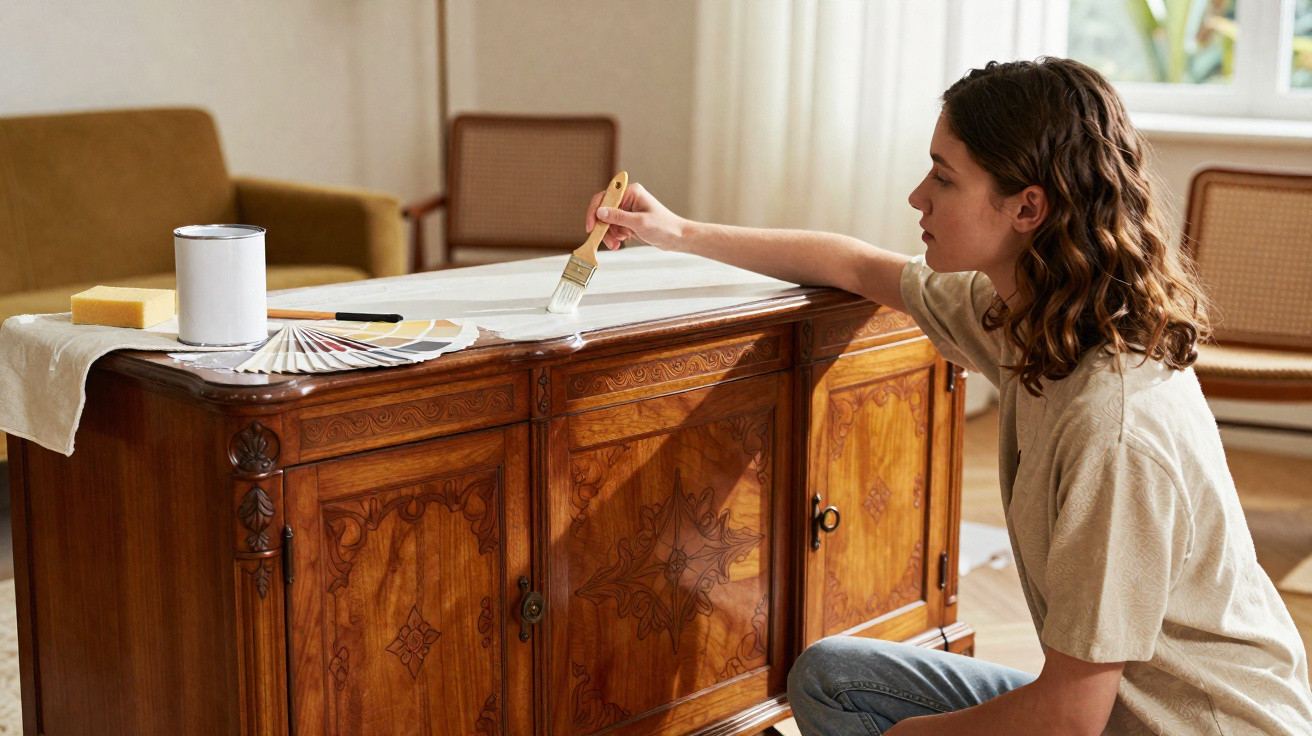
We all know the feeling of walking into a place and forming an opinion before we have even taken off our coat. This instinct is even stronger during a property viewing: a dark hallway, marked walls or tired paintwork immediately suggest that the house will require time, money and effort. Repainting the main living spaces in light, understated shades remains one of the best-value jobs, usually costing between €300 and €900 depending on the size of the property and how much work is done yourself.
In Angers, Claire and Mathieu were close to reducing their price by €15,000 after three weeks without an offer. Their estate agent advised them to repaint the orange living room, the dark-blue hallway and a highly personalised child’s bedroom. They spent €680 on paint, gave up a few weekends and chose off-white shades. The atmosphere changed at the very next viewing. Buyers were no longer talking about “redoing the walls”, but about where they would put the sofa and the light in the room.
Paint does not automatically add value; above all, it removes an objection. A buyer who can easily picture themselves in the home is less likely to start calculating work to deduct from the asking price, often with an excessively generous allowance. A neutral room will not inspire everyone, but it allows each person to imagine their own life there. Let us be honest: no one really does this every day, and a clean wall seems ordinary… until it is not there.
Four small jobs that reassure buyers before negotiations begin
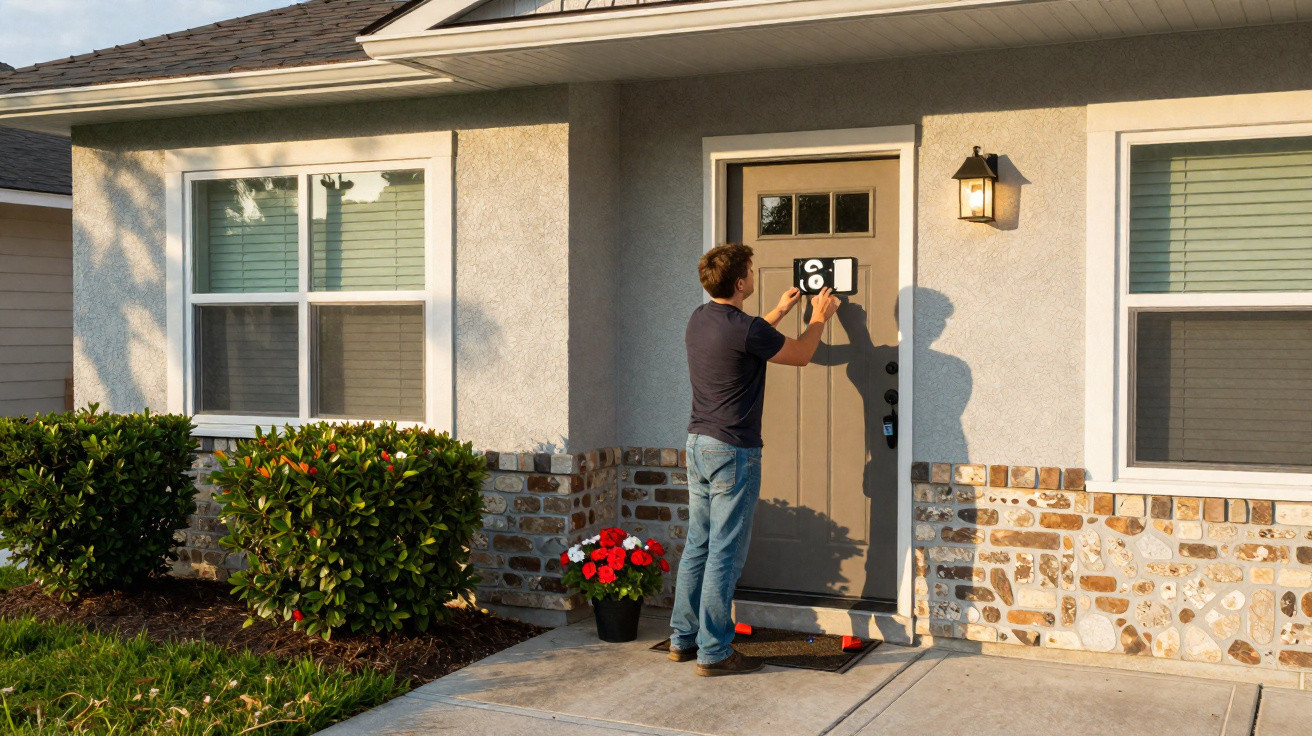
The second step concerns the entrance and the nearby exterior: a door that closes properly, a working doorbell, a clearly visible house number, weeds removed and clean shutters. There is no need to renovate the entire façade to make the welcome more appealing; a tin of paint for wood or metal, a new handle and a few simple plants are often enough. With €200 to €700, the aim is to convey that the home has been maintained, not to conceal serious deterioration.
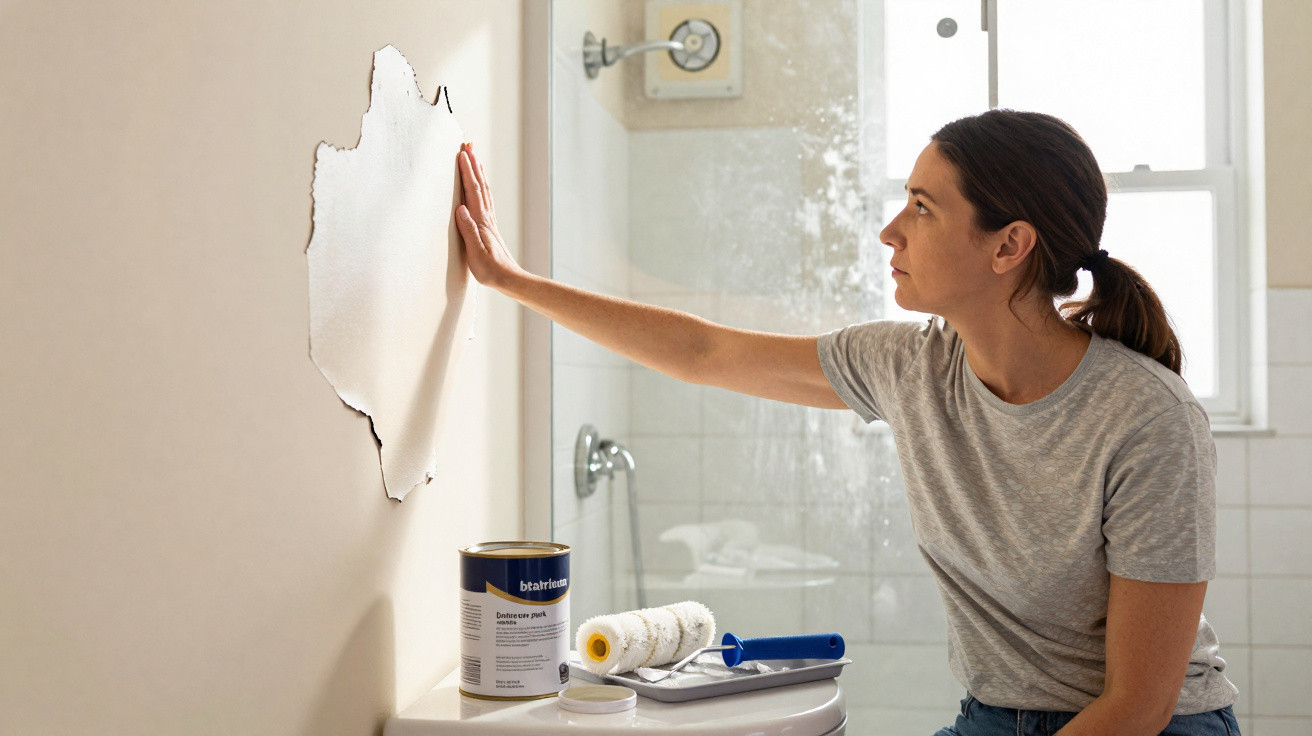
The third priority is refreshing the small wet areas, which visitors inspect almost without realising it. Blackened bathroom seals, peeling silicone or a limescale-covered tap can create disproportionate doubts about damp and the condition of the plumbing. Renewing seals, replacing a worn toilet seat, fitting a more contemporary mirror or installing a basic mixer tap often costs less than €500. That is little compared with the impression of cleanliness and reliability these details can provide.
The fourth, and frequently overlooked, job is fixing anything that does not work: a missing light bulb, a loose socket, a squeaky cupboard door, an unreliable toilet flush or a jammed roller shutter.
“A small fault does not always frighten a buyer; a series of small faults makes them imagine a major problem,” notes an estate agent used to showing family homes.
Before photographs are taken and appointments begin, a methodical check can prevent many comments:
- test every light fitting and opt for warm lighting;
- tighten loose handles, hinges and curtain rails;
- eliminate smells of tobacco, damp or pets;
- clear walkways so that the rooms can breathe.
Spend less, show more: a principle often worth more than the work itself
It can be tempting to fit a completely new kitchen or knock down a wall before putting a house on the market. Yet these major projects quickly exceed the budget, take time and may not match the preferences of future owners. The four most useful improvements are still those that make the home easy to understand at first glance: fresh walls, a well-kept entrance, a spotless bathroom and working fittings. They reduce the quiet concern a visitor feels when wondering what they might find after signing.
To keep each item below €1,000, it is best to make a room-by-room list and start with the flaws most visible in photographs. Quotation apps, DIY shops and local tradespeople make comparisons possible, although an invoice is not always needed for every minor task. For electrical work, a leak or a structural issue, however, blindly attempting repairs yourself would be a false saving. The aim is never to hide a defect, but to present a clean, honest and well-maintained home.
The claim of “up to 10%” also needs to be understood sensibly. For a house listed at €300,000, it does not mean that a tin of paint magically creates €30,000; it means that careful presentation can help prevent heavy negotiation, bring forward worthwhile viewings and support a realistic price in a sought-after area. In an area with weak demand, the effect will be more modest. Yet between a house that appears to need a thousand small repairs and one that seems ready to live in, the emotional gap is real.
| Key point | Detail | Added value for the reader |
|---|---|---|
| Repaint the walls | Light shades, marks removed, neat finishes | Makes it easier to picture living there and limits requests for price reductions |
| Take care of the entrance | Door, handle, doorbell, shutters and surroundings kept in good condition | Creates a reassuring impression from the moment buyers arrive |
| Repair small faults | Seals, lighting, taps, cupboards and shutters | Stops buyers from imagining more substantial work is needed |









Comments
No comments yet. Be the first to comment!
Leave a Comment