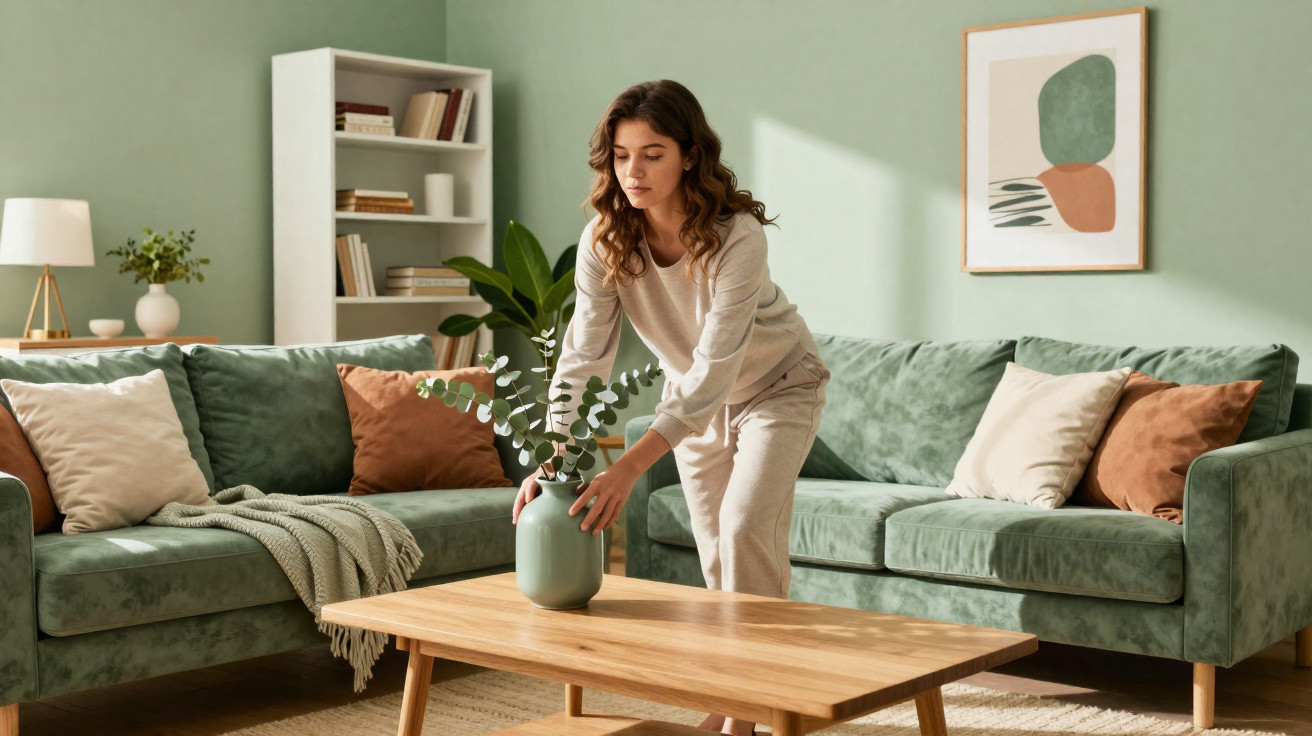
A gentle yet confident trend colour is now taking centre stage – transforming stylish interiors.
Anyone looking to refresh their home today is no longer automatically reaching for another beige shade. Across interior design studios, trade shows and social media, one colour keeps appearing: a calm, subtly powdery green that instantly makes rooms feel more relaxed. Sage green is becoming the favourite shade for those who want their home to feel modern, tranquil and full of character.
Why sage green is appearing everywhere
Our homes have changed considerably in recent years. They are no longer simply places to retreat to, but also offices, exercise spaces and places to meet. It is hardly surprising that the desire for calm is growing. Sage green responds perfectly to that need.
“Sage green combines a sense of nature, calm and elegance – without dominating the room.”
The shade sits somewhere between grey and green, creating a muted, almost powdery effect. It brings to mind real sage leaves: slightly matt, soft and almost textile-like. This understated quality is exactly what makes it so appealing in modern interiors.
Colour psychology: green for the mind
Green is generally associated with nature, rest and growth. In daily life, many people spend hours looking at screens under artificial light. A softened green such as sage green visually brings a touch of the outdoors inside and conveys the feeling that it is time for the pulse to slow down.
- It feels calming rather than stimulating
- It works in living rooms, bedrooms and home offices
- It is easy on the eyes – ideal when spending long periods in a room
Unlike intense emerald or forest green shades, sage green feels gentler and less ‘loud’. This also makes it suitable for people who usually choose neutral colours but no longer want to rely solely on white, grey and beige.
What makes sage green so appealing for interiors
Sage green is not simply joining another short-lived trend cycle. Many interior designers deliberately choose this shade because it brings together several advantages.
- Calming presence: Ideal for anyone who wants their home to provide a counterbalance to a hectic everyday life.
- Timeless character: Less garish than typical trend colours, so it can be lived with for years.
- Highly versatile: Works with wood, metal, natural textiles and even bold accents.
- A soft alternative to pure white and beige: Adds greater depth to rooms without making them feel dark.
Especially in smaller flats, this shade acts like a visual soft-focus filter: edges seem softer and the space feels calmer while retaining its clarity.
Bringing sage green into your home
There is no need to paint every wall immediately. One of the colour’s biggest strengths is that it can be used in very different amounts – from small accessories to a complete room transformation.
An accent wall rather than painting everything
A single sage green wall in the right place can often alter a room more effectively than painting all four walls. It works particularly well for:
- The wall behind the bed as a peaceful backdrop
- The wall behind the sofa as a visual anchor in the living room
- The end wall of a hallway, making it feel warmer and less corridor-like
Anyone unsure can begin with a smaller area or test paint samples at different times of day. Depending on the light, sage green can look greyer at times and fresher at others.
Wallpaper for extra texture and depth
Although many people once avoided wallpaper altogether, it has become an important design tool again. In sage green, it gives a room added texture:
- A subtle linen effect for simple bedrooms
- Botanical patterns for living and dining areas
- Panoramic wallpapers with gentle landscape-inspired scenes as a focal point
Sage green wallpaper generally feels less harsh than a smooth, opaque painted finish. Its texture creates a soft, almost fabric-like impression – ideal for cosy yet modern interiors. Those who enjoy trying something new every few years can change wallpaper more quickly than undertaking extensive decorating work.
Accessories as a gentle introduction
Those who are still hesitant can start small. Textiles and decorative pieces make it possible to test the shade without making major commitments:
- Cushions and throws in the living room
- Curtains in lightweight cotton or linen
- Sage green bedding instead of classic white
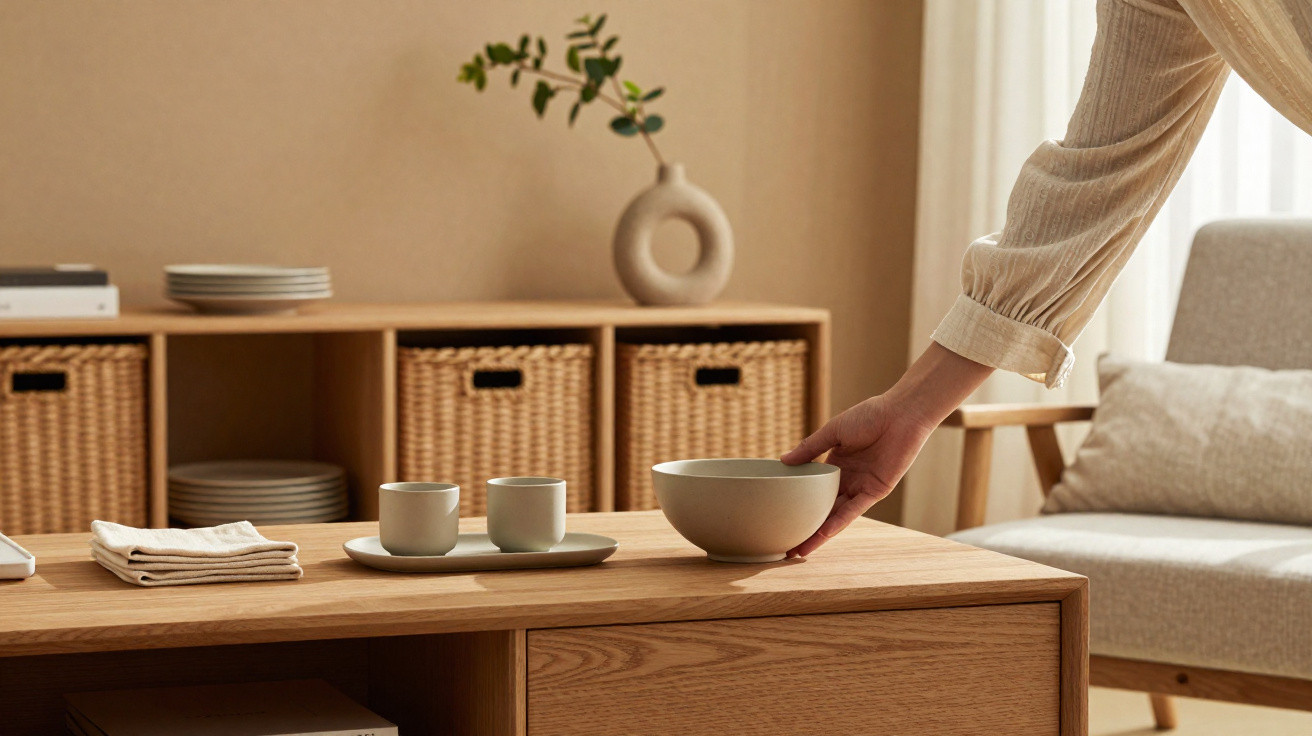
- Ceramic vases, bowls or lampshades
Just a few carefully positioned pieces can noticeably change the feel of a room. If the colour continues to appeal over time, walls or furniture can be incorporated in the next step.
Sage green furniture: a statement with a calming effect
More and more manufacturers are introducing sideboards, kitchen cabinet fronts and chairs in this shade. It looks especially harmonious when paired with light wood, such as oak or birch, and matt finishes.
“A sage green sideboard can take on the role once played by high-gloss white – only in a more relaxed way.”
The colour also works well in a home office: a desk pedestal or shelving unit in sage green feels far less office-like than black or grey, while blending more naturally into a living area.
Unexpected places for this trend shade
The effect becomes especially interesting in places where the colour is not immediately expected:
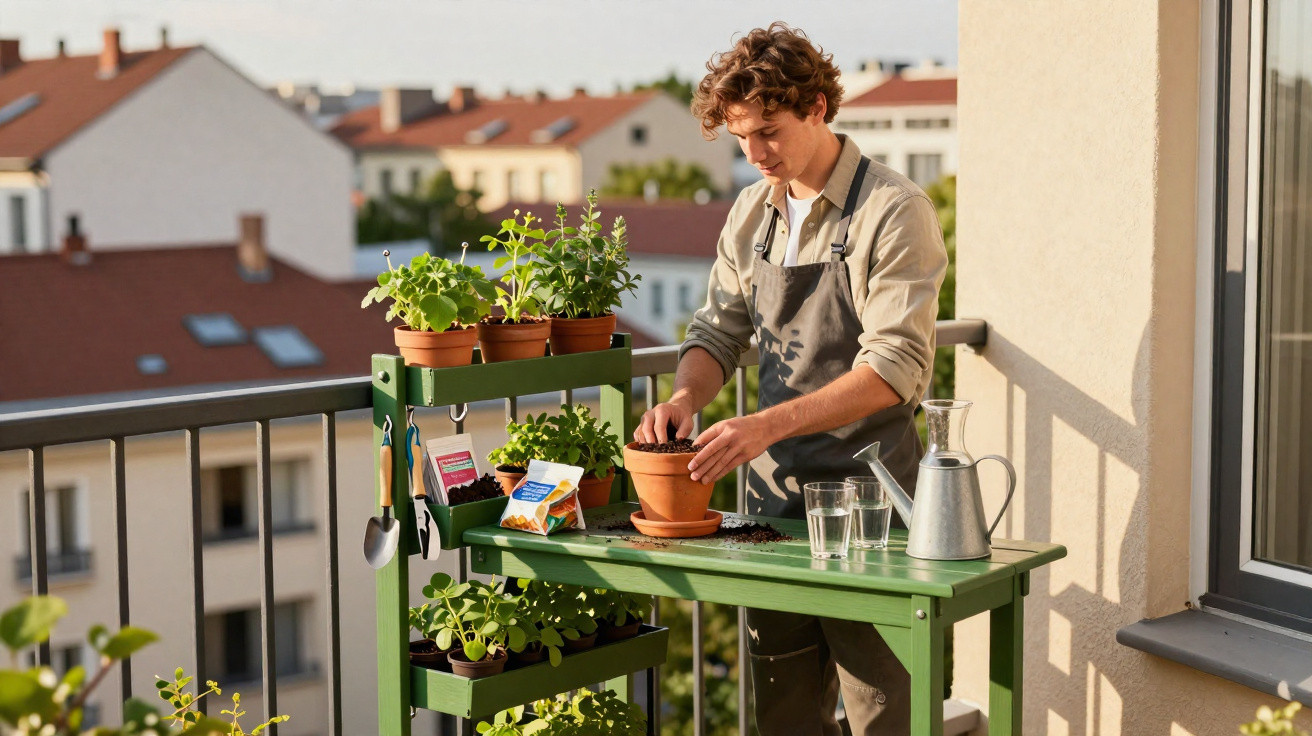
- The inside surfaces of cupboards or shelves
- The inner faces of doors or door frames
- Wall areas in the guest WC
- The back panel of open kitchen shelving
Small areas of colour like these create accents without becoming overpowering, making them well suited to people who enjoy working with details.
The best colour combinations with sage green
One reason for the current enthusiasm is that sage green works with an exceptionally wide range of shades. Those who do not want to refurnish their entire home can almost always find a suitable pairing for existing furniture.
| Combination | Effect in the room |
|---|---|
| Cream white, natural white | Calm, bright and ideal for Scandinavian-inspired interiors |
| Light grey, anthracite | Modern and crisp, well suited to city flats and lofts |
| Terracotta, sand and earth tones | Warm and cosy, reminiscent of holidays and southern landscapes |
| Gold or brass details | A more refined touch, perfect for lamps, handles and picture frames |
| Dark blue | An interesting contrast that feels graphic yet soft |
For a very restrained interior, pair sage green with plenty of white and natural materials such as wood, rattan and linen. Bolder looks can include individual strong accents, such as a deep blue cushion or a vase in warm rust red.
Common mistakes when using sage green
As versatile as the colour is, there are still a few pitfalls. With a little planning, they are easy to avoid.
- Ignoring the lighting: In dark rooms, an overly muted sage green can quickly feel cool. Choose lighter shades in these spaces.
- Mixing too many greens: Combining mint, bottle green, olive and sage green can soon look unsettled. It is better to make one shade dominant and use the others sparingly.
- Covering everything in sage green: If walls, furniture and textiles are all in the same shade, the room lacks contrast. Introduce variation through wood, metal or neutral colours.
Practical tips for starting with sage green
If it is unclear which shade is right, use paint samples. Many manufacturers offer small tester pots that can be applied as swatches to a wall or a piece of card. The important thing is to observe the colour samples over several days – in the morning, at midday and in the evening. This reveals whether the tone genuinely works in everyday life.
It is also useful to take cues from existing materials: sage green shades with a greyer undertone suit cool greys, while versions with a slight beige undertone work better with warm wooden floors. When planning a kitchen, sage green cabinet fronts can be paired with a neutral worktop to keep the design long-lasting.
Who benefits most from the sage green trend
Sage green is especially effective in homes where many functions have to fit into a limited area: city flats, open-plan layouts and home-office corners within the living room. The colour creates visual calm without feeling heavy, providing a kind of visual ‘breathing space’ between furniture, technology and everyday clutter.
People who have relied on Scandinavian white, grey and beige for years will also find sage green a logical next step: reassuringly calm, yet noticeably fresher. Minimalists can see a clear difference with only a few sage green surfaces – without any radical renovation.








Comments
No comments yet. Be the first to comment!
Leave a Comment