
Daily life often creates intense physical strain that directly affects the mind. Keeping the home in order is far more than an aesthetic preference: it is an effective psychological strategy for tackling the anxiety that builds up each day.
How does domestic stress affect the mind?
An overload of everyday duties and demands creates the ideal conditions for complete mental exhaustion. When the physical space becomes cluttered, the mind can reflect that disorder, raising levels of cortisol in the body and undermining collective emotional balance.
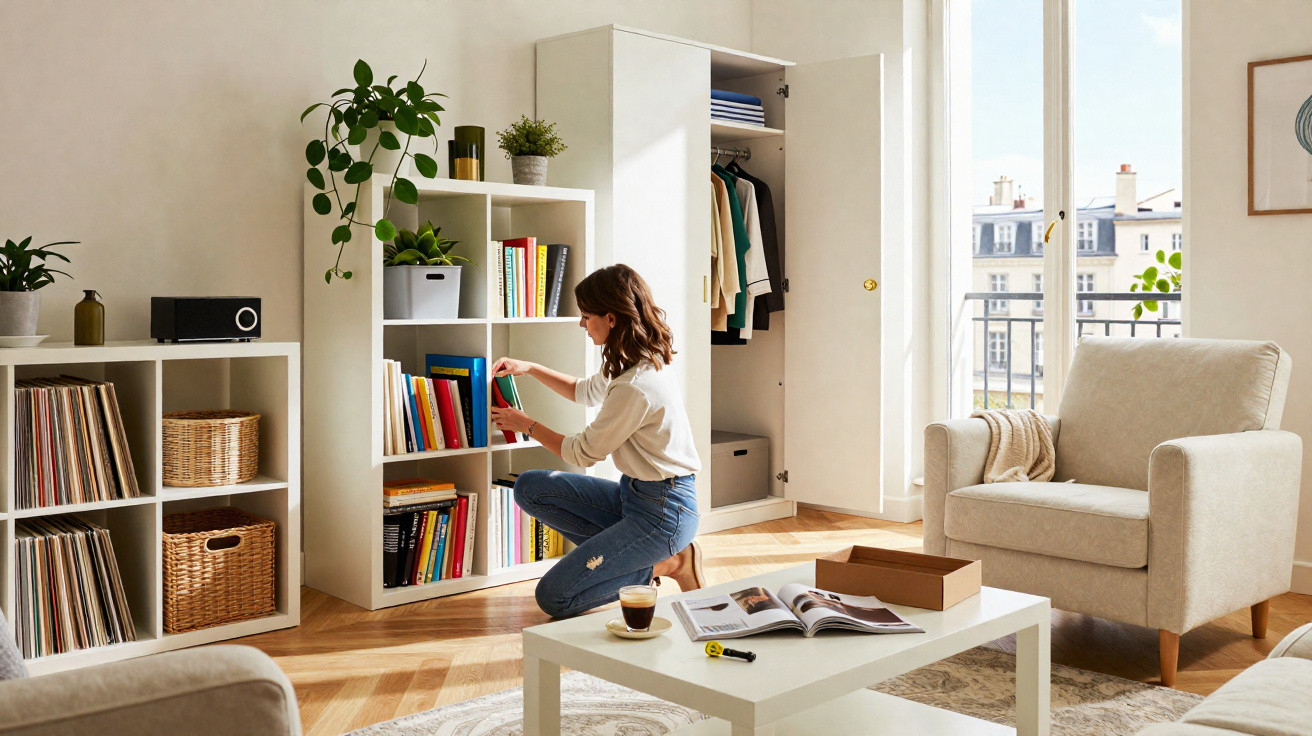
Many people continually look for practical ways to ease this invisible psychological burden. Tidying decorative objects and furniture can provide an immediate response, restoring a clear sense of control over one’s surroundings and reducing severe stress.
Methodical tidying offers clear benefits for the mind, which can be seen in specific effects:
- Lower cortisol: Keeping the home organised can actively reduce daily stress hormones.
- Environmental control: It restores a sense of command over an exhausting day-to-day routine.
- Mental relief: It limits negative visual stimuli that clutter thoughts and cause fatigue.
- Practical order: It turns the space into a welcoming refuge from daily external pressures.
- Restored focus: It acts as an active tool for calming anxious, restless minds.
What is the link between visual clutter and anxiety?
The visual clutter caused by clothes left around and washing-up piling up becomes a constant negative stimulus. This confusing setting prevents the brain from fully unwinding, turning the home into a source of unease and quietly driving anxiety.
When the eyes encounter a messy environment, the brain reads it as unfinished work. That uncomfortable impression creates chronic mental tiredness, damages the focus required and makes everyday activities far harder to carry out successfully.
How does home organisation restore a sense of control?
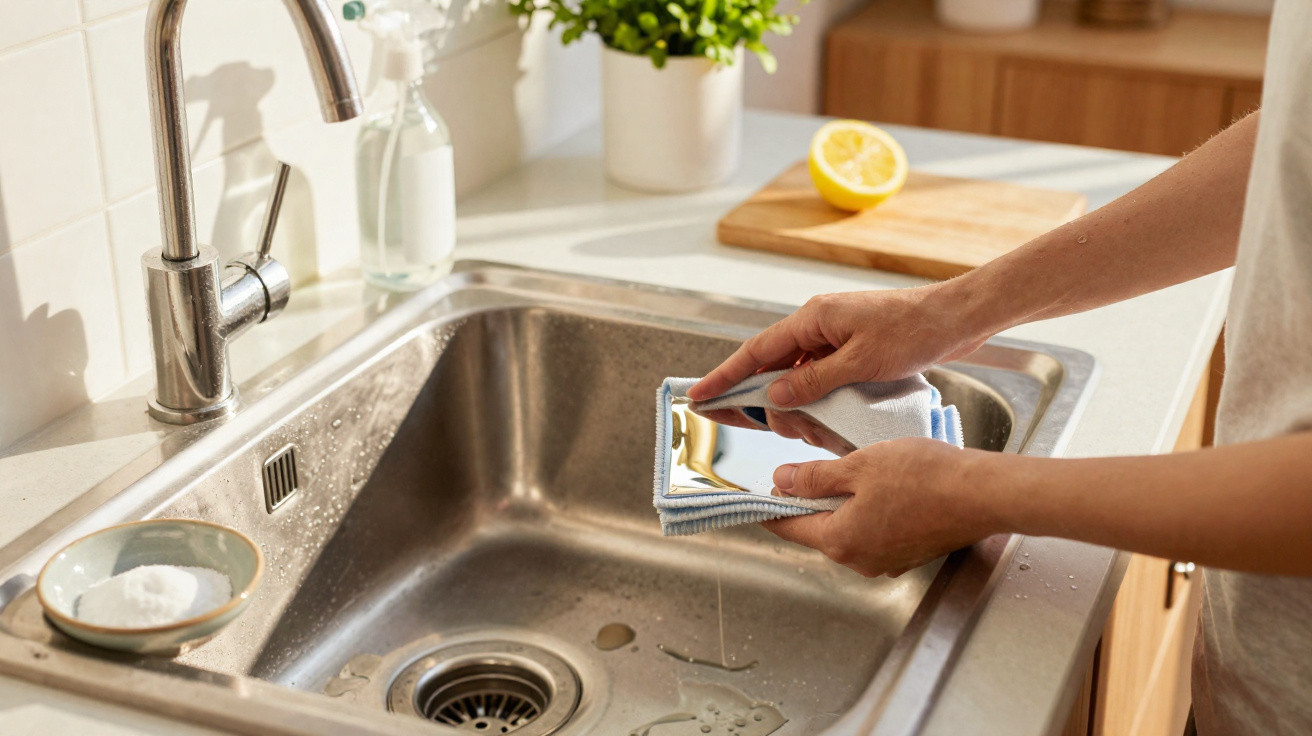
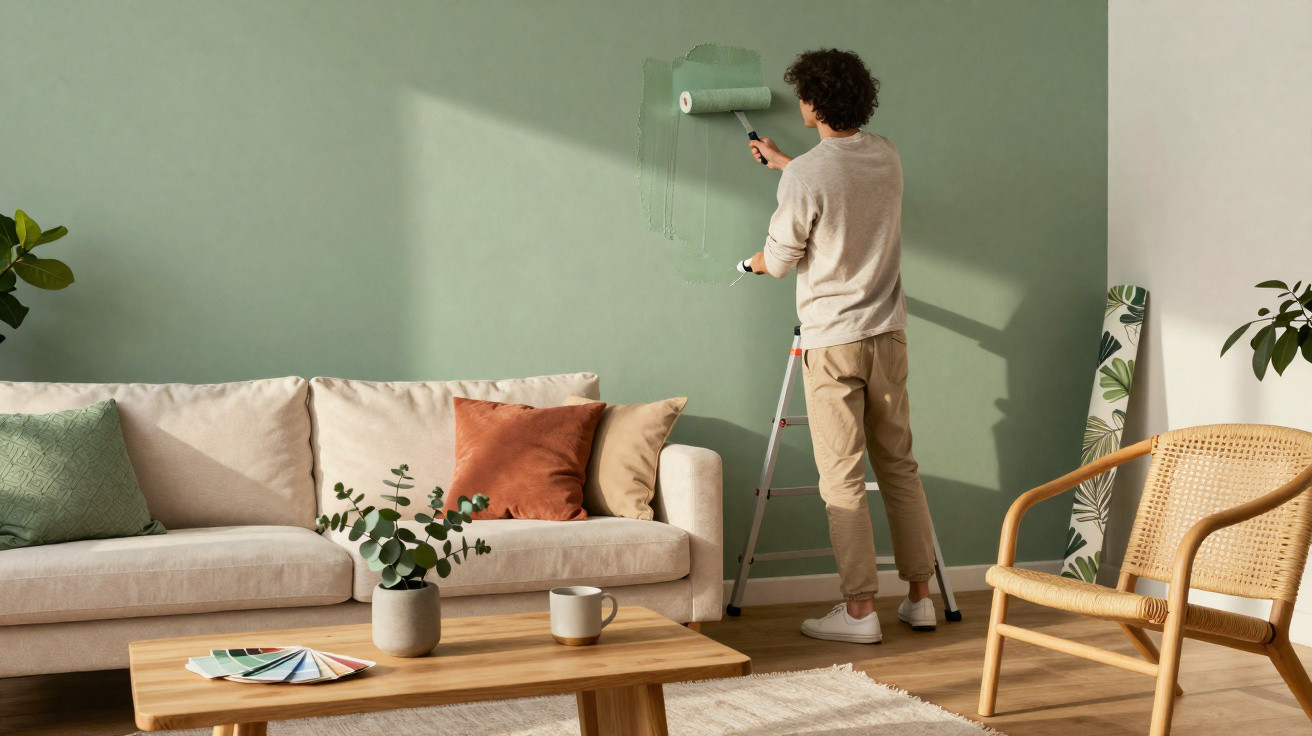
When external demands cannot be controlled, concentrating on household cleaning can be a realistic alternative. Organising cupboards and drawers brings immediate satisfaction, enabling a person to regain an important measure of stability and feel fully able to manage their own life.
Behavioural study
Important scientific findings
Research published in the Personality and Social Psychology Bulletin indicates that Darby E. Saxbe and Rena Repetti examined the effects of domestic stress on the human mind.
Visual clutter is directly associated with higher cortisol levels, the stress hormone, negatively affecting our sense of control.
This drive to tidy reflects a genuine effort to settle racing, chaotic thoughts. By arranging their living space, a person can channel anxious energy into something productive, turning a simple task into a valuable form of occupational therapy and personal rebalancing.
The main factors that lead people to clean their homes frequently are listed below:
- An urgent need for predictability in their routine.
- A wish to create a refuge from demands.
- A search for immediate physical and mental wellbeing.
Why does the habit of cleaning calm anxious people?
Cleaning involves repetitive, predictable movements that can help slow the heartbeat. Concentrating on a straightforward physical task steers the mind away from abstract future worries, offering a state of mindfulness that is highly beneficial for people experiencing nervousness and restlessness.
Seeing the immediate results of completed work gives the brain an instant sense of satisfaction. This positive feedback counteracts feelings of helplessness caused by tiredness, making home cleaning a genuine ally for mental health and emotional balance.
The principal psychological effects of regularly cleaning the home include:
- Immediate reduction in negative visual stimuli.
- Increased release of positive neurotransmitters.
- A clear and rapid feeling of having fulfilled a duty.
How can home care and mental health be balanced?
As highlighted in the analysis of domestic stress and the mind, staying calm is essential in everyday life. Seeking support and understanding triggers helps establish healthy boundaries, ensuring that organisation provides genuine comfort and sustained mental balance.
Finally, accepting that small imperfections are part of life helps to reduce excessive self-pressure. Finding the right balance between necessary cleaning and restorative rest is the key to protecting inner harmony and living with greater peace of mind.
Official source: Information obtained directly from the Personality and Social Psychology Bulletin.










Comments
No comments yet. Be the first to comment!
Leave a Comment