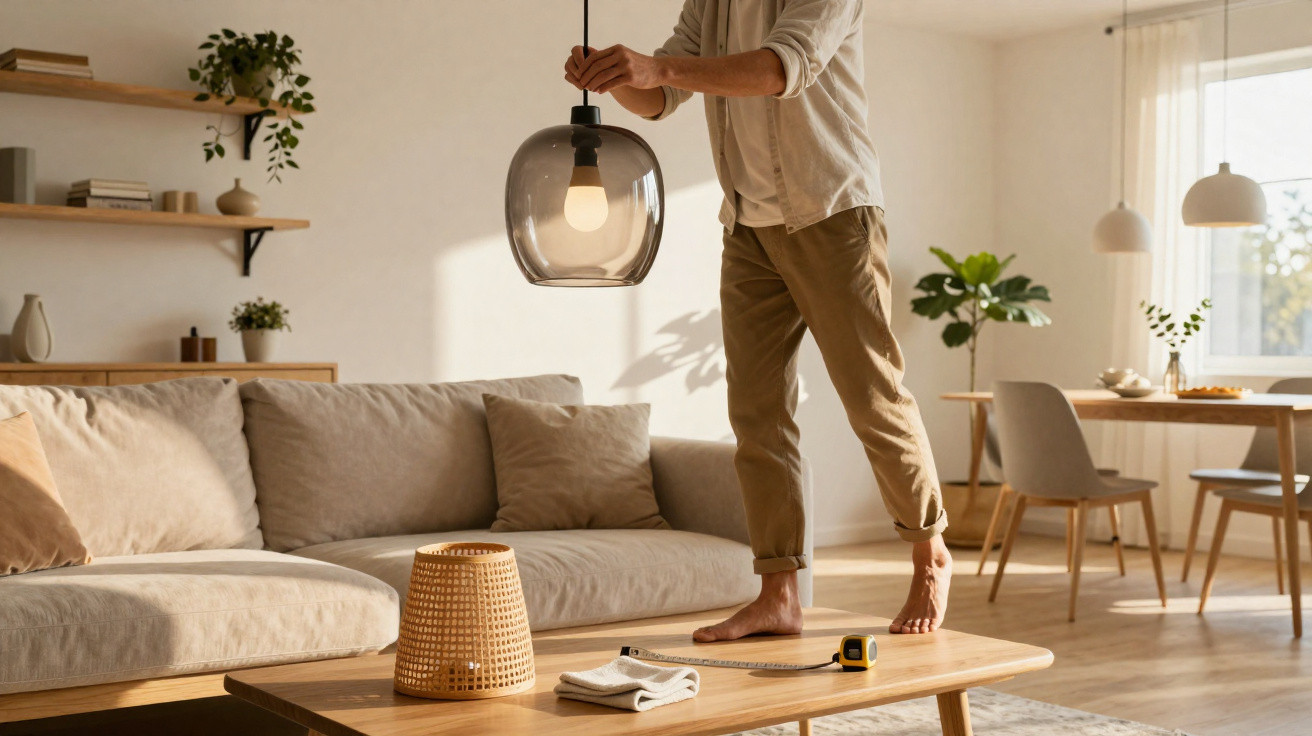
For years, the woven rattan pendant light was considered essential for every “boho-chic” home. But by spring 2026, the mood has shifted decisively: away from mass-produced pieces and copied trends, towards timeless materials that hang from the ceiling like miniature artworks. A new type of pendant light is now rapidly gaining ground – one that feels more contemporary, calmer and considerably more premium at the same time.
Why the rattan pendant light suddenly feels uninspiring
When a trend hangs absolutely everywhere
From living rooms and cafés to boutiques, woven shades made from rattan and other plant fibres have appeared on practically every other ceiling in recent years. That ubiquity has now stripped the look of its individuality. What once suggested a relaxed holiday atmosphere now reminds many people of copy-and-paste catalogue styling.
People increasingly want interiors that feel more personal again. Rather than another rattan bell shade above the coffee table, there is growing demand for pieces with character, lasting appeal and a look that does not feel “used up” after one season.
The trend is moving away from quick decorative purchases and towards lights that feel like small one-off pieces and genuinely define a room.
There is another consideration: the highly natural, sometimes rustic appearance of woven materials no longer suits every setting. Anyone with a clean-lined sofa, minimalist shelving or refined metal details will quickly notice that a coarse rattan shade can sometimes look out of place.
Living rooms now call for more clarity and sheen
Current interiors reveal a clear move towards calm colour schemes, pared-back shapes and high-quality finishes. Lighting has a key part to play, as it shapes both the atmosphere of the light and the overall sense of style.
Pendant lights are now most sought-after when they:
- spread light evenly and softly
- look visually lighter than large woven shades
- work well with modern furniture and clean lines
- appear to be a considered design purchase rather than a “mass-produced product”
This is precisely where two long-underestimated materials come into play – and both are now making a strong return.
The new number one: tinted glass and ceramic ceiling lights
Tinted glass: gentle illumination with understated retro appeal
The season’s quiet star is tinted glass. In place of clear glass, which can often feel cool, manufacturers and interiors enthusiasts are choosing warm hues such as amber, smoke grey, olive green and deep blue.
The difference it makes to a room is immediately noticeable:
- Light feels soft without becoming gloomy.
- The glass surface catches daylight and creates interesting accents, even when the lamp is switched off.
- Reflections shift throughout the day, making the space feel alive without becoming busy.
One well-chosen glass globe can turn an ordinary living space into a cohesive, almost lounge-like area – without an expensive full renovation.
Tinted glass can also be surprisingly affordable. Even a simple round pendant light with a coloured shade can dramatically improve a corner of a room. Paired with a dimmable bulb, it allows the light to be adjusted smoothly from task brightness to a cosy mood.
Ceramic lights: small sculptures above the sofa
Ceramic is the second major alternative to the rattan pendant light. Unlike many factory-made lights in thin metal, ceramic feels tactile, handcrafted and grounded. Pieces from studio makers are particularly on trend: gently irregular forms, visible fingerprints and textured finishes.
Its greatest strength is that a ceramic pendant light does not simply resemble an everyday object; it looks more like an artwork. It gives the living room visual grounding and adds depth.
Particularly popular choices include:
- matt, sand-coloured shades for Scandinavian-inspired spaces
- glazed stoneware in dark hues for elegant city lofts
- two-tone designs where the exterior and interior shade colours are deliberately contrasted
Anyone already using natural materials such as solid wood, linen, wool or stone will quickly see how naturally ceramic fits in. The light blends into the scheme without becoming bland, and it easily outlasts changing fashions.
How to position new pendant lights correctly
The right height for everyday use, sofas and dining tables
Even the most beautiful glass or ceramic light can look awkward if it is hung too high or too low. A few straightforward guidelines make planning easier.
| Situation | Recommended lower edge of the light |
|---|---|
| Clear walkway or passage | approx. 2.00 m above the floor |
| Above a coffee table in the living room | approx. 1.60 m above the floor |
| Above a dining table | approx. 60–70 cm above the tabletop |
The look becomes especially striking when several smaller glass pendants are arranged as a “cluster”. Hanging them at different heights adds depth and turns a simple corner into a focal point – ideal above a seating area or beside an armchair for a reading spot.
Making a style change work with a few simple touches
When replacing an existing rattan pendant light, it is worth making a few small adjustments to the rest of the room so that the new look feels coherent.
Combinations that work particularly well include:
- Tinted glass + brass or matt black on table legs, picture frames or handles
- Natural-toned ceramic + linen curtains and thick wool rugs
- Dark glass + individual dark-wood pieces, such as a sideboard or coffee table
The light often sets the tone: colours from the lampshade can be echoed in cushions, vases or throws, making the living room feel beautifully coordinated.
If you are still unsure, begin with one model above the coffee table rather than placing it in the centre of the room. There, the light can hang slightly lower without getting in the way, while clearly highlighting the seating area.
Practical advice for buying and everyday use
What to consider before buying
When moving from rattan to glass or ceramic, appearance and price are not the only factors to consider. These points can help you choose:
- Size: Smaller rooms are generally better suited to compact shades. Oversized designs can quickly overwhelm the area.
- Glass colour: Dark tones look sophisticated but reduce brightness. In rooms that are already rather dark, choose amber or pale smoked glass instead.
- Inner finish: A light-coloured or reflective interior increases light output.
- Bulb: Warm-white LEDs with good colour rendering (CRI 90 and above) make materials and skin tones look more flattering.
Care that does not become a chore
Dust is one issue that puts many people off. Rattan may look “natural”, but it is a magnet for dust. Glass and ceramic are much easier to clean: use a damp cloth and, occasionally, a drop of washing-up liquid – that is all it takes. Fingerprints show up more quickly on very dark glass lights, so it is worth giving them a quick wipe after installation.
Why the switch is genuinely worthwhile
Rattan lamps represented ease and naturalness. Tinted glass and ceramic instead convey calm, maturity and thoughtful selection. For anyone looking to develop their interior style, replacing just one large ceiling light can make a surprisingly significant difference.
The change also makes sense from a sustainability perspective. Rather than continually buying new trend-led pieces, timeless materials create a foundation that lasts for many years. Cushions, throws and smaller accessories can still change with the season or your mood, while the light remains a calm fixed point above the scene.
Whether you ultimately choose a rounded glass globe in a warm amber shade or a rough, handmade ceramic form depends on the character of your living room. One thing is clear: the era of the ever-present rattan pendant light is drawing to a close, making room for lighting that once again makes a true statement.







Comments
No comments yet. Be the first to comment!
Leave a Comment