
When a town tells residents to remove their balcony wind turbines following disputes with neighbours, it can feel like a parable for modern life.
The ambition to run our homes on clean energy collides with close-set walls, limited tolerance and regulations designed for a different time. Is this environmental innovation, or a self-centred imposition of spinning blades and strained tempers?
Early on a blustery Tuesday, a silver turbine, roughly the size of a bar stool, whirred above a fourth-floor balustrade. It was not noisy, but it was noticeable, rather like a desk fan that had forgotten it was outdoors. Two storeys below, a man in a dressing gown glanced upwards, phone in hand, already composing a complaint.
By midday, an inspector had arrived with a clipboard, a compact sound meter and the expression of someone who would rather be elsewhere. The couple who had fitted the device offered tea and a look around, simultaneously proud and worried. Then the wind decided the matter.
A small device, a major storm
Micro turbines sell a tidy vision of independence: a personal wind farm above the pavement, supplying a modest but constant stream of electricity for a laptop, kettle or bike charger. In a town that values sustainability, that picture spreads quickly. Balcony wind turbines become both a lifestyle statement and a signal, rather than simply a piece of equipment.
The reality became sharper on Elm Street after two turbines appeared on opposing buildings during a long weekend. One was a vertical-axis drum, while the other was a three-blade micro unit resembling a toy aeroplane missing most of its body. By Monday, the neighbourhood WhatsApp group was divided between celebratory emojis and eye-rolls, while the town clerk had received fifteen messages about “whirring” and “flicker.” At the property boundary, the inspector recorded readings in the high-40s decibels. A stop-work notice came first, followed by an instruction to remove the units within ten days.
For the installers, the logic seemed straightforward: a breeze meant free electricity. Yet urban wind is unpredictable, tumbling, stalling and rebounding from brickwork and glass. Many devices seldom achieve their stated output; at other times, they turn uneven airflow into vibration that can be felt through the balcony floor. Combine this with building rules that object to weight placed on railings or equipment extending above public space, and the conflict is more than cultural. It is structural.
Making small wind work without a neighbour dispute
Begin before buying or fitting the turbine. Knock on neighbours’ doors, ask for five minutes of their time and bring the specification sheets, a rubber isolation pad and a commitment to a one-week trial. Use a free decibel app to log a day of sound from your neighbour’s side of the wall, then share the graph as openly as you might share a cheesecake recipe. If the results sit around “quiet library” levels, continue the conversation; if they rise sharply, revise the approach before fixing anything in place.
Choose the location with a cautious sailor’s judgement. Greater height helps, whereas turbulence does not, so a mast extending one metre above the parapet can outperform an eye-catching turbine sitting in a wind shadow. Think about vertical-axis designs, which cope more gently with gusts and lower start-up wind speeds, and use anti-vibration pads on a dedicated frame rather than attaching the unit directly to the railing. In truth, few people take all these steps routinely. Even so, one weekend of preparation can prevent six months of resentment.
“What torpedoes these projects isn’t evil neighbors,” a city planner told me, “it’s surprise. People will accept things they helped shape.”
Create a simple agreement around the equipment, with clear signs and limits that feel reasonable. Set night-time quiet hours and a wind level that automatically shuts the turbine down, so stormy gusts do not turn the balcony into a drum kit. Put a maintenance schedule on the fridge and share it in the building lobby, ensuring nobody has to wonder when the bearings were last inspected.
- Carry out a one-week trial using shared decibel logs.
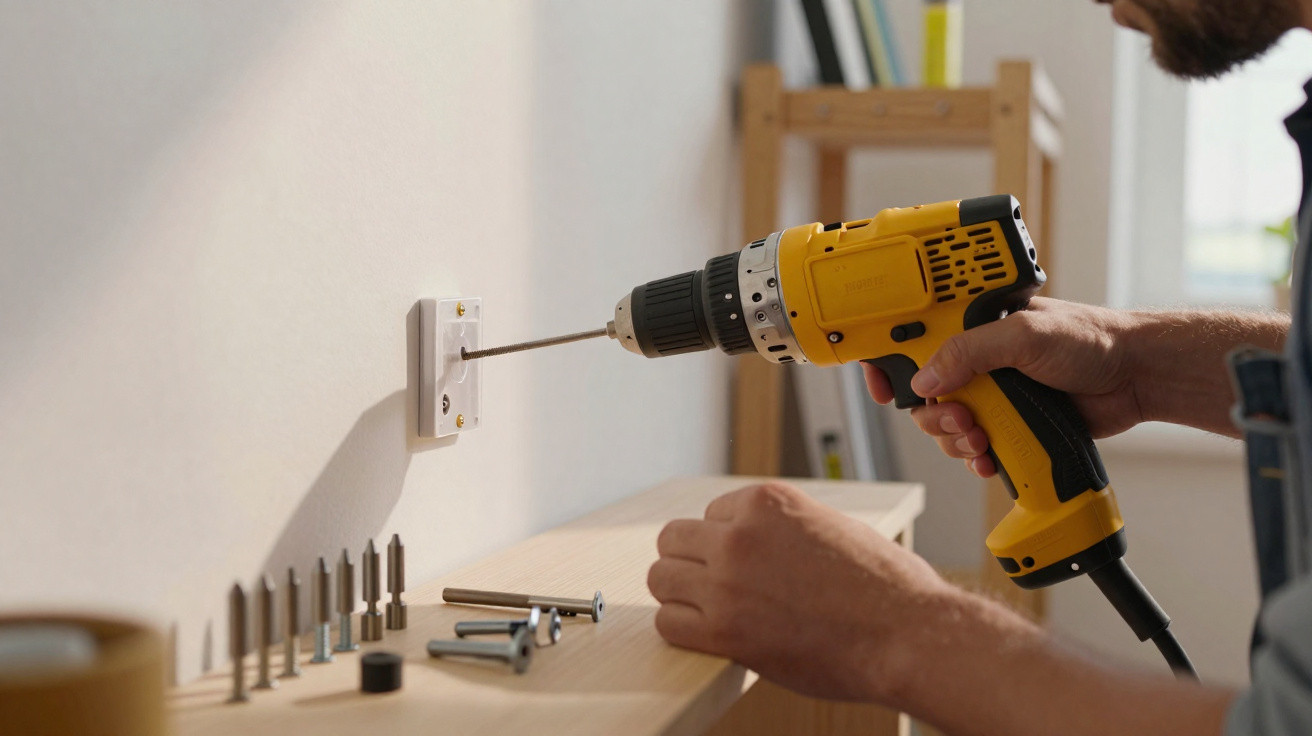
- Fit the turbine to a frame with rubber isolation, rather than to the railing.
- Select a vertical-axis model for gusty locations and low cut-in speeds.
- Agree quiet hours and an automatic high-wind shut-off.
- Keep the permit, specification sheet and contact details in a clear folder in the lobby.
Beyond the blades
This dispute is not primarily about watts. It concerns space, status, fairness and whether a balcony is a private laboratory or part of the city’s shared outer surface. Most people have experienced a neighbour’s seemingly harmless pastime feeling intrusive, not because of the pastime itself, but because they were never asked. The hum of your turbine may be another person’s sleepless night.
There is also a numerical reality beneath the emotions. In narrow urban streets, even capable micro units may spend much of the day operating below their ideal range. Meanwhile, a straightforward plug-and-play balcony solar panel can collect consistent daylight without moving parts. Many energy advisers guide households towards PV first, then storage, then smarter appliance timing. The turbine is a hedge: interesting and specialised, rather than a cure-all.
It seemed to be both the future and a feud. A town order requiring the blades to come down may be a blunt response, but it exposes a weakness in the rules. The boundary between noise and flicker, pride and innovation is too fine for older zoning plans to recognise. This is the uncomfortable space where the climate narrative meets the neighbour narrative, and both parties have enough reason to feel wronged.
So what does this mean for people studying wind maps and tenancy agreements? Progress may take a quieter form: a shared roof-mounted mast with a maintenance rota, or a building-wide vote to trial one unit for a month. The most robust energy systems often start with social connections, not copper wiring.
Just around the corner from Elm Street, a co-operative board asked several residents to propose a joint micro-wind pilot, including a small contingency fund for a neighbour with a newborn. They included a sunset clause: if the figures and the atmosphere were not right, the equipment would be removed. Straightforward, visible terms can turn a storm into a breeze that barely registers.
Even if the blades are taken down, the outcome need not be bitter. Once clean and quiet, that balcony could hold a solar planter, battery box and folding clothes airer, potentially saving almost as much energy as a micro turbine on a low-wind day. The neighbours may finally discuss what truly links them: the grid they share, the street they maintain and the weather beneath which they live.
There is a reason trends ignite on TikTok before colliding with town hall. Equipment is simple to purchase, while governance takes time to develop. Innovation that arrives gently requires rituals: what people share, where they seek consent and how they reverse course without embarrassment. It may not make for glossy videos, but it is how small-scale technology becomes ordinary common sense.
Perhaps the balance is this: test ideas like an engineer, welcome people like a neighbour and create rules with enough room for the next idea. A town can reject one turbine while still embracing the future. The wind is not the enemy, nor is the person beyond the wall. Sometimes all that is needed is a better mounting system and a better conversation.
| Key point | Detail | Benefit for the reader |
|---|---|---|
| Noise and vibration | Measure on the neighbour’s side and isolate the mounts | Reduces complaints and helps avoid removal orders |
| Site and model choice | Favour vertical-axis units and unobstructed airflow above parapets | Improves output in gusty urban wind |
| Social licence | Trial period, quiet hours, transparent information folder | Builds trust and preserves peace within the building |












Comments
No comments yet. Be the first to comment!
Leave a Comment