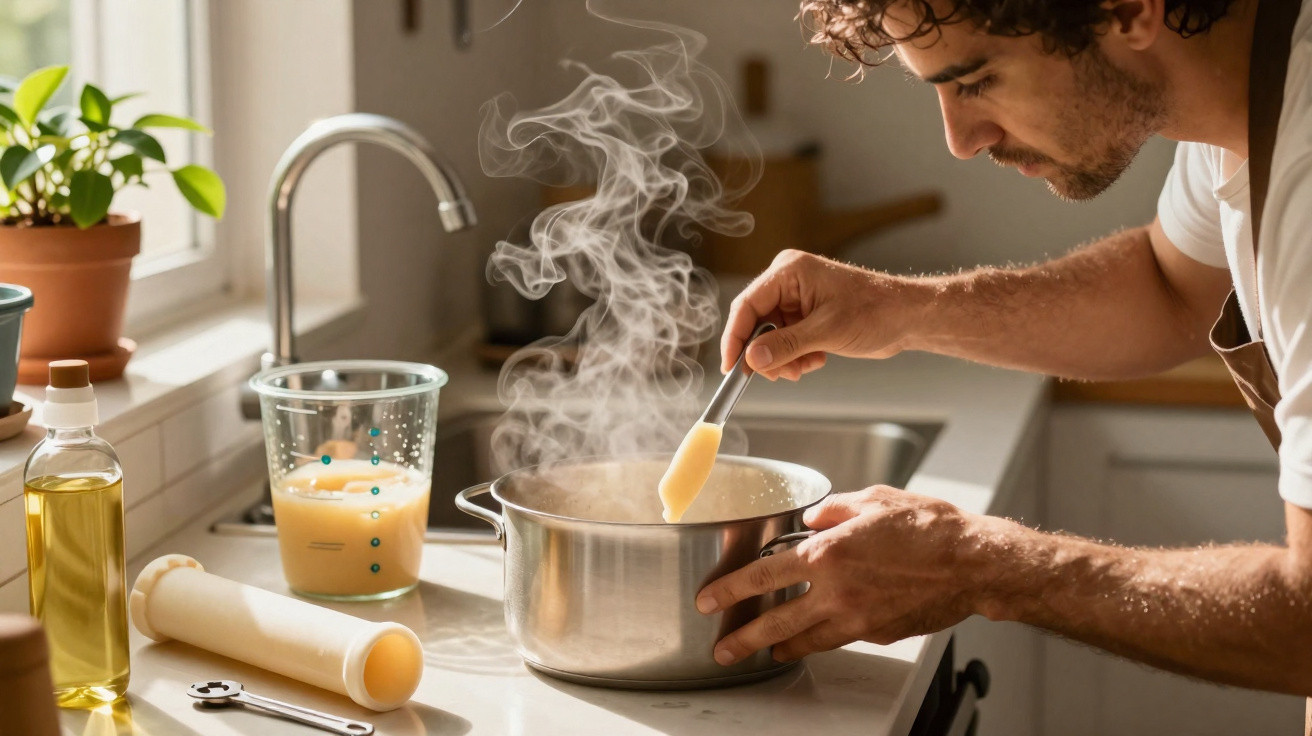
That pan of pasta water bubbling away may seem completely harmless.
A quick pour into the sink feels like the easiest option. However, this small routine can quietly create significant problems.
In many homes, boiling water is poured directly into the kitchen drain without any hesitation. It appears fast, tidy and almost sanitary. Behind the rising steam, though, plumbers and building inspectors repeatedly encounter the same consequences: pipe damage, persistent blockages and concealed leaks caused by this everyday habit.
Why boiling water and your sink don’t mix
Pouring boiling water into the sink can look like the most convenient answer. There is no need for a bucket, no mess to manage and no delay while the water cools. Some people even treat it as a DIY method of cleaning pipes.
In practice, it subjects your plumbing to a severe temperature shock. Household pipework is seldom kept in a stable, controlled setting. Pipes often pass through chilly cupboards, unheated spaces, external walls and basements. They are therefore already exposed to changing temperatures, condensation and hard-working joints.
Each time boiling water rushes through, it shocks the system: pipes expand, joints loosen, and microscopic cracks start to appear.
As nothing fails immediately, the routine can appear harmless. Instead, the damage accumulates gradually and may eventually reveal itself as a damp ceiling patch, a distorted kitchen cabinet or a drain that refuses to clear.
Hidden damage to pipes and joints
Plastic pipes don’t like extremes
Modern plumbing across the UK and US makes extensive use of plastic pipework, particularly PVC and related materials beneath sinks. Such pipes can cope with hot tap water, but boiling water presents a very different challenge.
- Frequent contact with water close to 100°C can soften PVC and other plastics.
- Once the pipe cools, it shrinks again, placing strain on bends and connections.
- Eventually, this repeated cycle may lead to distortion, fine cracks or total failure at vulnerable points.
This is not limited to low-cost installations. Even better-quality materials deteriorate more quickly when exposed to thermal shock. A kitchen installed ten or fifteen years ago has already experienced countless everyday shifts in temperature. Boiling water merely speeds up that ageing process.
The quiet failure of pipe glue and seals
Domestic plumbing usually depends on more than the pipe material alone. It also relies on:
- Solvent cements and glues for PVC connections
- Rubber or silicone seals in push-fit joints
- Flexible connectors beneath sinks and behind appliances
These parts are generally designed to withstand warm water rather than repeated surges of boiling liquid. Heat can make rubber hard, dry out sealants and reduce the strength of pipe adhesive. The system may still look sound, while its joints slowly begin to loosen.
Many “mystery leaks” under sinks trace back to seals that cooked slowly for years under a stream of boiling water.
By the time damp skirting boards or a swollen cabinet base become visible, a slow leak may already have continued for months.
How boiling water helps block your pipes
Grease does not disappear, it just moves
A common assumption is that boiling water “melts” grease and helps keep drains clear. It does melt grease, but only for a while. Gravity then takes over.
In the trap below the sink and the first section of pipework, hot water may liquefy cooking fats, oils and food residue stuck to the pipe walls. As it moves further through the system, however, the water cools. In colder areas, grease hardens again, only now it is deeper inside your plumbing or perhaps within the building’s shared soil stack.
Rather than resolving the issue, you move it beyond the reach of ordinary household solutions.
When fats, food and silt team up
The danger increases where boiling water meets waste already present in the drain. Further along the pipework, that combination can form difficult blockages:
- Fat and oil, briefly liquefied by boiling water, line the inside of pipes.
- Food particles, coffee grounds and pieces of eggshell adhere to that coating.
- Mineral deposits from hard water make the surface rougher, giving debris more to cling to.
Over time, the available space in the pipe becomes smaller. Initially, water may still drain, although more slowly. Then a minor extra load - additional kitchen grease after a party or a rinse of coffee grounds - can push it over the edge. The sink backs up, and what seemed like a quick solution becomes a Saturday plumber call-out.
What looked like one big “sudden” blockage usually started with months of boiling water reacting with everyday kitchen waste.
Beyond your kitchen: the environmental angle
Anything poured into your sink does not simply disappear. It enters a shared drainage system already under pressure from the way kitchens are used. Water companies throughout the UK and US are reporting growing issues with so-called “fatbergs” - enormous masses of hardened fat, wipes and other waste that obstruct sewers.
| Action in the kitchen | Effect on drains |
|---|---|
| Pouring oil and fat down the sink | Creates sticky coatings inside pipes |
| Flushing with boiling water | Sends melted fat further into public sewers |
| Combined with wipes and solids | Causes sewer blockages and risks of overflow |
At wastewater treatment works, abrupt volumes of very hot water may disrupt the balance of bacteria that clean wastewater. A single saucepan of boiling water will not close a treatment plant, but the same practice across millions of households adds pressure to infrastructure already affected by climate-driven heavy rainfall.
In confined sewer sections, local heat spikes can also disrupt sediment and biofilms. This can send additional solids towards pumping stations and screens, requiring more maintenance and energy to manage them.
Safer habits when you deal with hot water
Let the heat drop first
The easiest adjustment is simply to allow time for cooling. Rather than emptying a pan directly from the hob into the sink, leave it until the water is very warm but no longer boiling actively.
- Set the pan on a cool hob ring and leave it for 15–20 minutes after cooking.
- Stir it from time to time so steam can escape more quickly.
- When the water is no longer steaming heavily, it is much less likely to harm pipes.
For homes with young children or pets, leaving pans to cool with their handles turned inwards also lowers the risk of scalding in the kitchen.
Use cold water as a buffer
If waiting is not possible, run the cold tap firmly as you pour. Combining the water helps lower the temperature reaching pipes and joints.
Cold water doesn’t turn boiling water “safe”, but it softens the thermal shock and gives your plumbing a better chance.
Pour the hot water against the side of the sink instead of directly into the plughole. This distributes the heat and gives it more opportunity to cool before reaching the trap.
Give hot water a second life
Boiling water need not enter the drain at all. Once it has cooled to a safe temperature, it can still be useful elsewhere in the home:
- Watering outdoor plants or balcony pots, once fully cooled
- Pre-soaking greasy baking trays or pans on the worktop
- Cleaning chopping boards and cloths before their usual wash
- Removing labels from jars intended for reuse
These modest changes save some energy, lessen the burden on your plumbing and move away from the idea that “hot waste water equals straight down the sink”.
Kitchen behaviour that protects your pipes
Think about what goes into the drain
Avoiding boiling water works best when you also reconsider what goes down the drain afterwards. Plumbers regularly identify several repeat offenders:
- Cooking oils and frying fat
- Butter and margarine scraps
- Mayonnaise and creamy sauces
- Meat juices and drippings from roasting tins
Let these cool in a container, then scrape them into the bin. Some councils accept solidified fat with ordinary household waste. Keeping such materials out of the sink also removes the temptation to later “flush them through” using a kettle of boiling water.
Use mechanical cleaning, not thermal shock
For a sink that drains slowly, adding more heat is rarely the answer. Straightforward, less dramatic methods are usually more effective:
- A basic plunger for shifting nearby blockages
- A sink strainer to stop food reaching the trap
- Occasional removal and hand-cleaning of the U-bend, where accessible
Warm water, mild washing-up liquid and a small amount of baking soda, followed by comfortably hot rather than boiling water, can often control light build-up without putting pipework under excessive strain.
Why this small habit now draws more attention
Plumbing standards continue to change, yet many properties still have older systems fitted when household demands were different. We now use more appliances, more hot water, more detergents and considerably more oil-rich food than earlier generations. This greater burden leaves much less room for harsh practices such as frequent boiling-water flushes.
Meanwhile, increasing repair prices and overstretched tradespeople mean that a minor crack or leak can rapidly become a costly household problem. This is particularly true in flats, where water damage can spread between neighbouring homes. Insurers already receive claims associated with long-term water damage from slow, hidden leaks in kitchens and bathrooms.
Viewed this way, altering how you empty a pan is a small change requiring little effort. Allowing water to cool, or finding another use for it, reduces pressure on pipework that already performs a demanding job every day.












Comments
No comments yet. Be the first to comment!
Leave a Comment