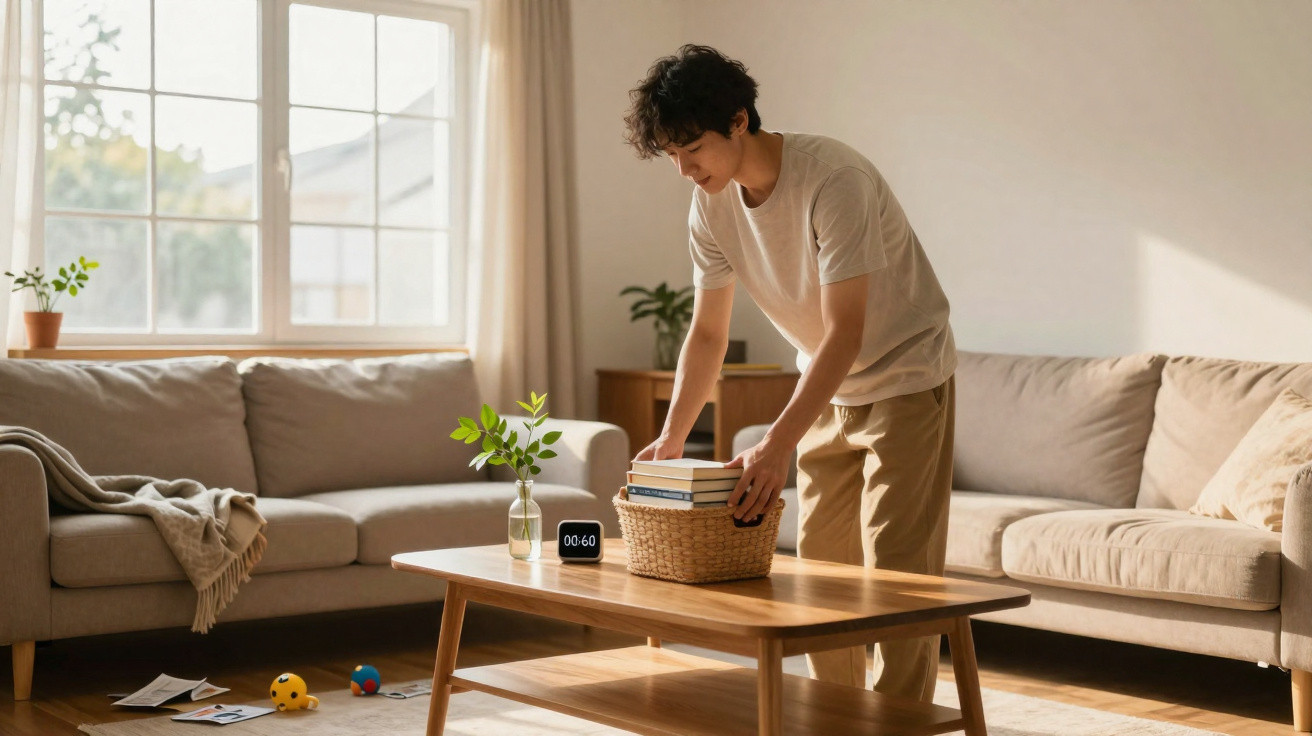
A simple routine from Japan can turn this around in just one week.
Many people know the situation: the home is not exactly cluttered beyond recognition, yet it always feels untidy. Piles appear here, bits and pieces gather there, surfaces are covered – and there is a constant sense of never catching up. A Japanese mini-rule, inspired by the Kaizen principle of small, continuous improvements, tackles precisely this issue and can change everyday life with surprisingly little effort.
How a ‘normal’ home turns into constant chaos
Most homes do not descend into disorder because of one major event. It happens gradually. A letter is placed on the kitchen table ‘just for a moment’. A jacket stays draped over the back of a chair. A coffee cup is left on the worktop for now. None of these things seems significant – until all the small actions start to add up.
It is precisely this accumulation of forgotten mini-tasks that makes clutter so persistent. Everyone thinks: “That will only take a moment, I’ll do it later.” But that ‘later’ happens dozens of times a day. By the evening, we are faced with heaps of small items and feel as though the home has taken on a life of its own.
The real problem is rarely laziness – it is a system that consistently relies on ‘later’.
There is also a mental aspect. The more crowded the surfaces are, the harder it becomes to get started. Every storage surface turns into a dumping ground, morale drops and the mind feels overloaded. Eventually, your own home can feel like an opponent you can no longer keep up with.
The 60-second rule: Kaizen for the home
This is where the Japanese-inspired approach comes in. It is built around one radically simple instruction: Do every task that takes less than 60 seconds straight away.
This could mean, for example:
- putting the cup straight into the dishwasher
- folding the jumper immediately instead of throwing it onto the bed
- putting the packaging straight in the bin
- hanging the key on its designated hook
The rule stops tasks that take only a minute from being pushed into the future. It therefore addresses the root cause of everyday disorder: the build-up of countless tiny jobs that we repeatedly postpone.
A home does not become tidy because you clear up for three hours once – it becomes tidy because you deal with one thing immediately 30 times a day.
The result is that far fewer piles, temporary holding spots and corners where belongings accumulate are created. Later tidying sessions become considerably smaller because much less has been left lying around in the first place.
Common pitfalls along the way
Most people do not struggle with the rule itself, but with a few familiar habits:
- Perfectionism: ‘Putting away a cup’ suddenly turns into ‘cleaning the entire kitchen’. That feels overwhelming and slows you down.
- Multitasking: You begin three mini-tasks at once and do not properly finish any of them.
- The ‘while I’m at it’ trap: A 30-second action becomes a 30-minute project.
The rule works best when it remains strictly small: one minute, one clear action, finished. No major project and no expectation of perfection.
Noticeably less chaos in seven days: what it can look like
Anyone who wants to try this approach does not need to overhaul their entire life. A straightforward weekly plan is enough to notice the first effects.
Day 1: Identify the ‘hot spots’
The first day is not about cleaning, but about observing. Where do bits and pieces build up particularly quickly?
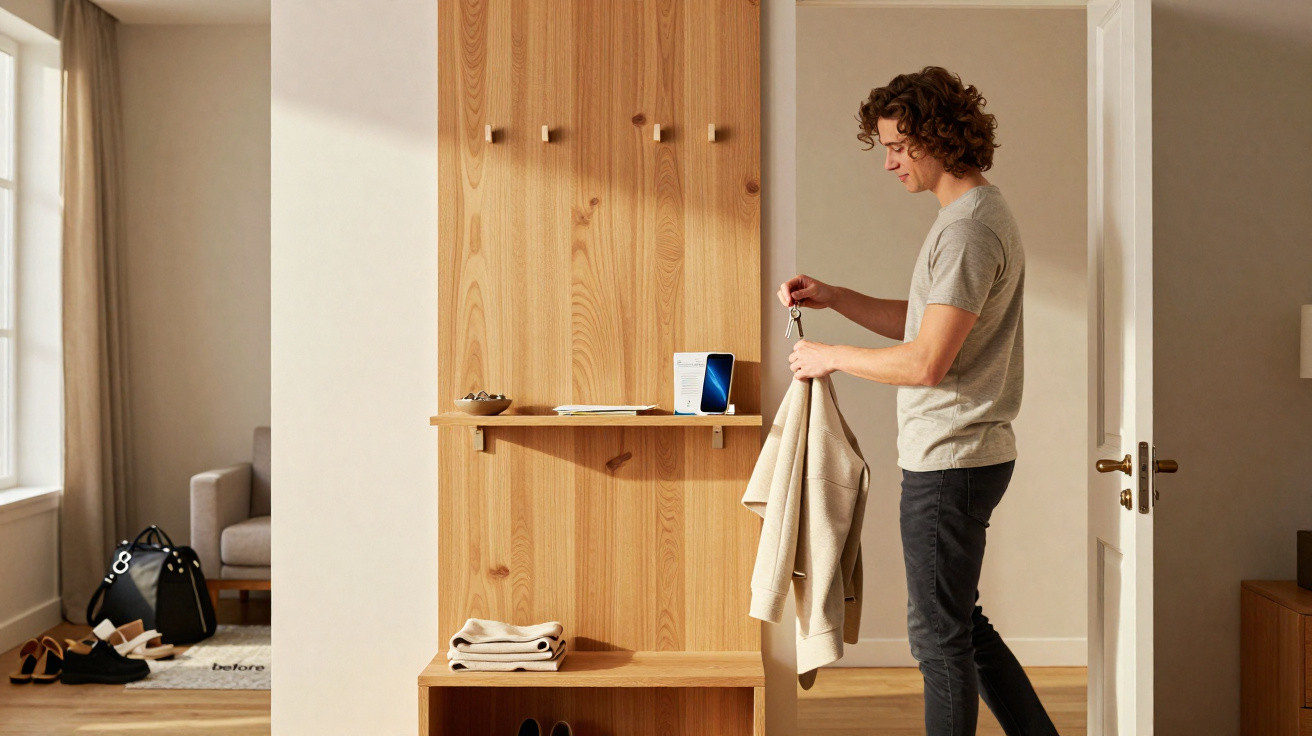
- the front door area or coat storage
- the kitchen table or worktop
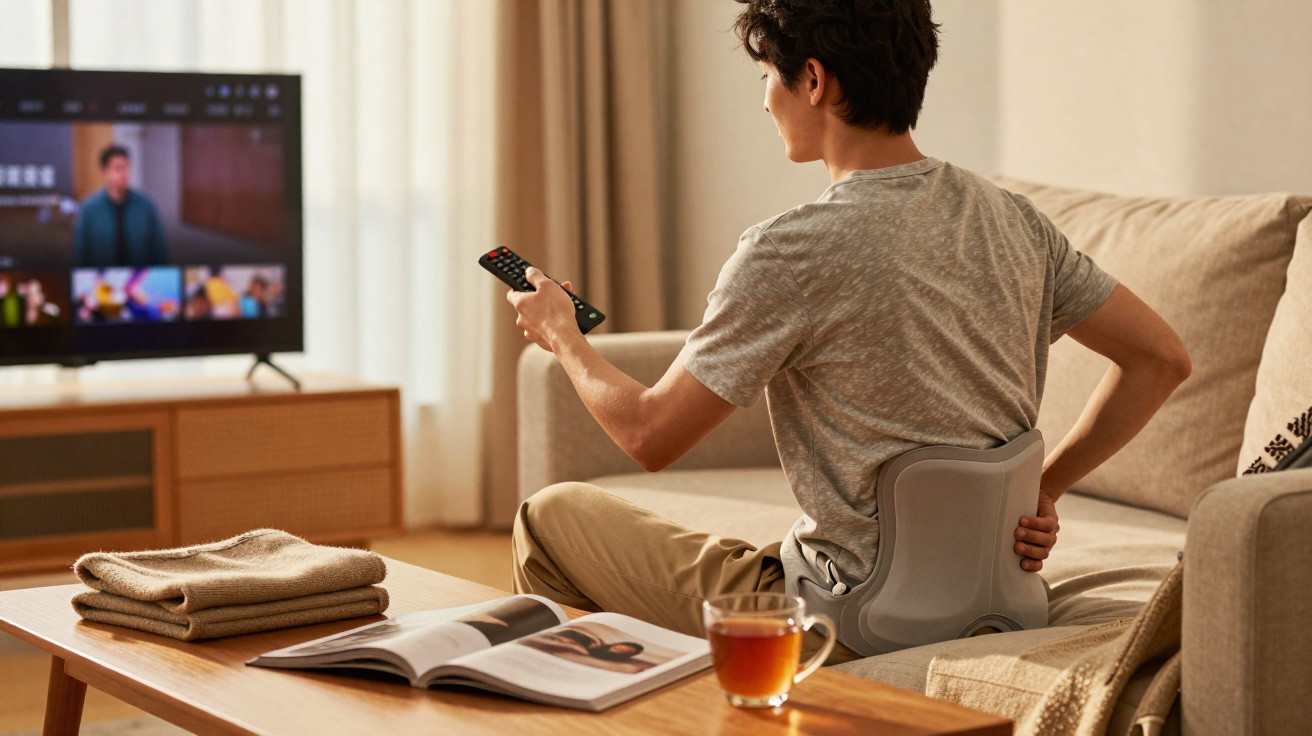
- the sofa and coffee table
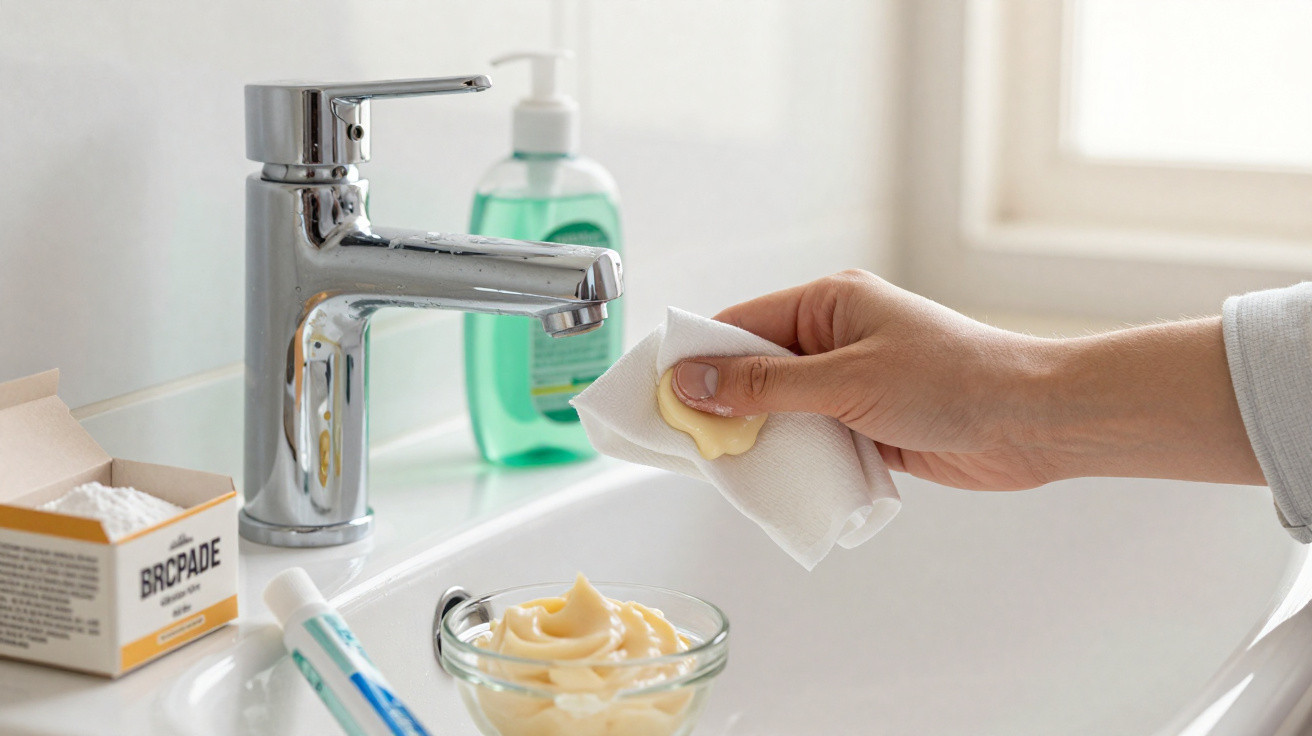
- the basin and surfaces in the bathroom
These areas are not weak points; they are everyday hubs. Most ‘I’ll just put this here for a moment’ actions begin in these places. Once you know them, you can apply the 60-second rule deliberately where it matters most.
Days 2 to 4: 60 seconds at key moments
In the middle of the week, shift your attention to daily routines. Typical moments include:
- morning: after getting up, after breakfast
- during the day: after every meal, after arriving home
- evening: shortly before going to bed
At these points, consciously choose tiny actions: wipe down a surface, hang up a jacket, return a book to the shelf or put toys into a box. The rule is: Only do what fits into less than one minute.
Days 5 to 7: Remove friction and reinforce routines
This is the time to look at practical obstacles. Putting something away immediately is less appealing when getting it there is irritating. Small aids make all the difference:
- hooks for keys right by the door
- a basket in the hallway for hats, scarves and small items
- a dedicated tray for post and bills
- a laundry basket where clothes genuinely tend to pile up
These practical tools lower the barrier to making the 60-second gesture. By the end of the week, the first micro-routines will have formed and will begin to happen almost automatically.
Practical 60-second actions, room by room
Kitchen: an end to permanent piles
The kitchen is often the centre of household chaos, even though most of what happens there involves minor tasks. Typical one-minute actions include:
- placing a cup in the dishwasher or washing-up bowl straight after use
- quickly wiping crumbs off the table
- disposing of packaging immediately
- washing one or two items by hand straight away
The aim is not for ‘everything to sparkle’, but to avoid unnecessary ‘I’ll do it later’ piles.
Entrance hall: the first impression matters
The hallway often determines how burdensome a home feels. Here, the 60-second rule can help with:
- putting shoes on the shoe rack immediately
- hanging a coat on its hook instead of over a chair
- sorting post roughly: discard junk mail straight away and put important items in a designated tray
When the entrance is clear and well organised, the entire home feels calmer.
Bathroom: small actions, major impact
In the bathroom, even very little can transform the overall appearance:
- giving the basin a quick wipe with a cloth
- hanging up the towel neatly
- throwing empty packaging out of the cupboard straight away
- placing clothes directly in the laundry basket
Clear surfaces take pressure off the mind, especially in the morning when the day is only just beginning.
Living room and bedroom: calm instead of constant mess
In the living room and bedroom, repeated mini-actions pay off particularly quickly:
- folding the throw and placing it on the sofa
- putting remote controls in a designated dish
- returning books to their place after reading
- folding an item of clothing instead of leaving it out
The less that builds up in your line of sight by evening, the faster your mind switches into relaxation mode.
How to maintain the effect over time
To prevent the new order from disappearing again after two weeks, a few simple supports are needed. One basic principle is central: Every item has a designated place. Without one, it becomes something that wanders from place to place – and eventually ends up in some corner.
Three small tools can help keep the 60-second method practical in everyday life over the long term:
- Five-minute reset: Set a brief alarm on your phone and use that time only to clear surfaces – without doing a major clean.
- Transition basket: Use one basket for items that belong in another room. Later, make one trip through the home and return everything to its place.
- ‘One in, one out’: For every new item, an old one leaves the home. This stops the amount of stuff from growing unchecked.
Over time, housemates or family members also become accustomed to these new mini-routines. The home no longer needs to be rescued through huge tidying sessions; instead, it stays ‘under control’ as part of everyday life.
Why small steps provide such mental relief
The real change does not happen only on the shelf, but in the mind. When fewer things are lying around, the room looks clearer. That reduces sensory overload and, with it, the ongoing tension. Many people report that they enjoy coming home again because their surroundings no longer constantly remind them of unfinished tasks.
The 60-second rule is particularly suitable for people who become overwhelmed quickly or have little time. It does not require a perfect plan or a minimalist clear-out – only the willingness to deal with tiny actions in the moment. From many inconspicuous gestures comes exactly what so many people long for: a home that no longer overflows, but feels noticeably calm.










Comments
No comments yet. Be the first to comment!
Leave a Comment