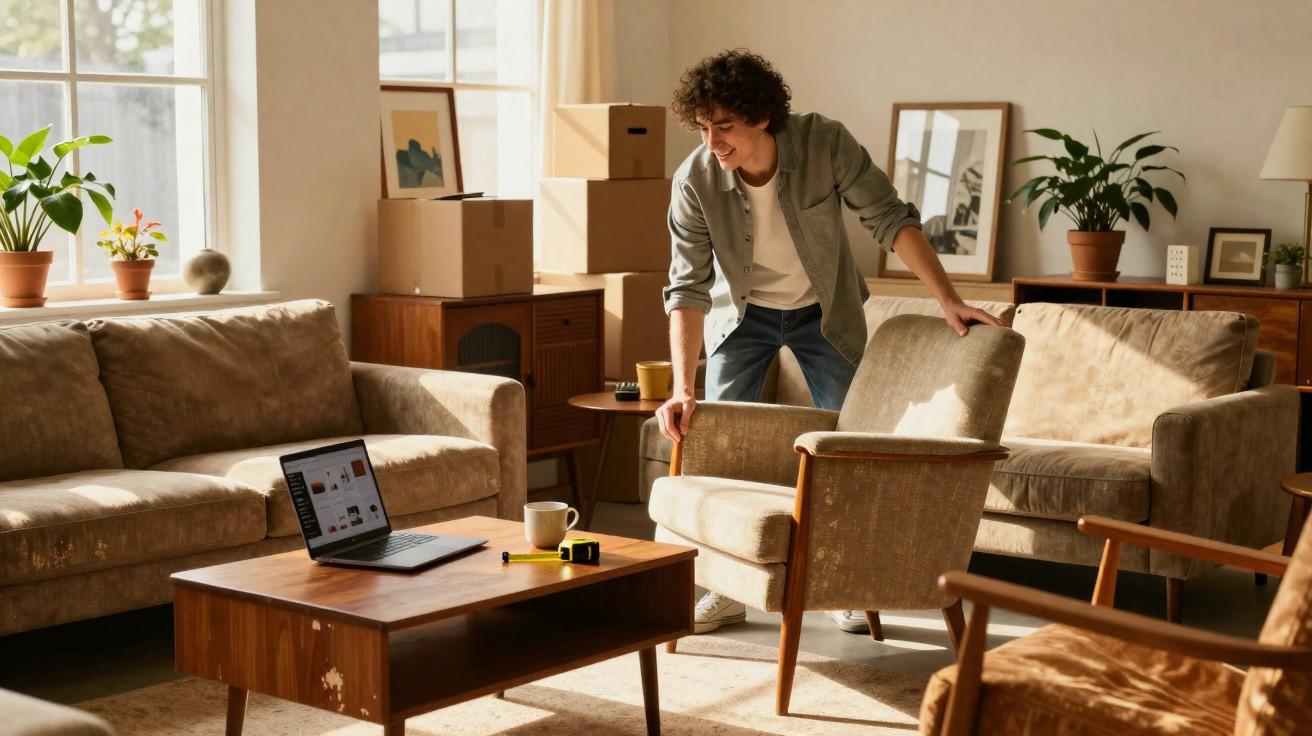
Inflation, limited housing and tight budgets: anyone furnishing a home has to be resourceful – and is increasingly turning to second-hand furniture.
Second-hand furniture has long moved beyond being a niche choice and is now an established part of the home furnishings market. Online marketplaces, social enterprises and major furniture retailers connect people looking to part with furniture with those seeking affordable pieces. It saves money, conserves resources and gives a home more personality than any standard new purchase.
Why second-hand furniture is suddenly in such high demand
Several developments are converging: rising prices, greater environmental awareness and a preference for one-off pieces over mass-produced goods. According to environmental authorities in many European countries, buying pre-owned goods is now part of everyday life for millions of households, whether they are purchasing clothing, electronics or furniture.
Buying second-hand not only cuts costs, but also significantly reduces the environmental footprint of a home’s furnishings.
Furniture is built to last. Passing on a table, wardrobe or sofa rather than throwing it away saves the materials, energy and transport emissions required to make a new item. What is more, many pre-owned pieces are sturdier than today’s cheap furniture and can easily withstand another one or two house moves.
Five key places to find affordable second-hand furniture
1. Le Bon Coin: France’s giant for private bargains
Anyone living in France or moving there will struggle to avoid this platform. Since the mid-2000s, Le Bon Coin has developed into a nationwide marketplace for exchanging and selling goods. Its focus is on local classified adverts, covering everything from clothing and electrical appliances to complete living-room sets.
Its local focus is a particular advantage when buying furniture. Buyers can filter listings by where they live, avoid delivery charges and inspect a sofa, dining table or wardrobe in person to make sure it genuinely suits their home. Many users say they have furnished almost their entire first flat through the platform.
- a wide choice in almost every region
- often very low prices because items are sold privately
- collection directly from the seller, with no courier hassle
People willing to travel further can now also use its integrated payment services and delivery options, which are intended to make transactions safer. For readers in Germany, this is especially relevant when moving to France or furnishing a holiday home there.
2. Label Emmaüs: buy furniture while doing some good
This project is run by a network of social initiatives. Its central idea is simple: used furniture and home accessories are collected, repaired or refurbished, then resold online. Among other things, the proceeds support training and assistance programmes for people seeking to return to employment.
The range includes simple shelving, tables and chairs, as well as carefully restored individual pieces. Products are checked before being listed, so buyers have a reasonably clear idea of the condition in which the furniture will arrive.
Sustainable consumption meets social responsibility here – a shelf is not merely saved; it also funds genuine opportunities for people.
The approach is partly comparable to the second-hand sections of social furniture shops in Germany, but in a digital format. For anyone who values social commitment, it offers a compelling mix of fair prices and peace of mind.
3. IKEA “Second Chance”: branded furniture at a reduced price
Large furniture retailers are also embracing the pre-owned trend. In many countries, IKEA offers dedicated areas for second-hand furniture, including display models, returned goods, incorrectly assembled items and pieces with minor damage. Their condition is generally stated clearly, with small imperfections visible – and prices reduced accordingly.
For many customers, this is a practical compromise: a familiar brand and recognised designs, but noticeably less strain on both their bank balance and the climate. Some stores even take back well-preserved furniture from their own brand and resell it, ideally giving the previous owner a credit note.
- branded quality for less
- clear information about condition
- online reservation is often available, followed by collection in store
The same idea can easily be applied in Germany: it is worth checking the bargain sections of large furniture stores there too. Returned items and display models are often available at substantial discounts.
4. Donnons & Co.: give furniture away rather than throw it out
People can save even more through platforms where furniture costs nothing at all. One French example is a platform such as Donnons, where private individuals list items they simply want to get rid of, with nothing expected in return. Whoever gets in touch first and can arrange collection can pick up the wardrobe or chest of drawers for free.
These concepts strongly resemble giveaway groups on classified-advert websites or German neighbourhood apps. Typical items include:
- student furniture such as basic tables and shelving
- older but sturdy wardrobes
- chairs, stools and desks for a first room in a shared flat
There are also apps that incorporate a points-based approach: people who regularly give away items collect virtual points, which they can later use to pick up furniture themselves. This creates a cycle in which products remain in use for much longer instead of ending up as bulky waste.
5. Selency: second-hand vintage and design
Those who want not only to save money but also to furnish their home with character often turn to specialist design platforms. A prominent example is Selency, which focuses entirely on high-quality vintage pieces and designer furniture.
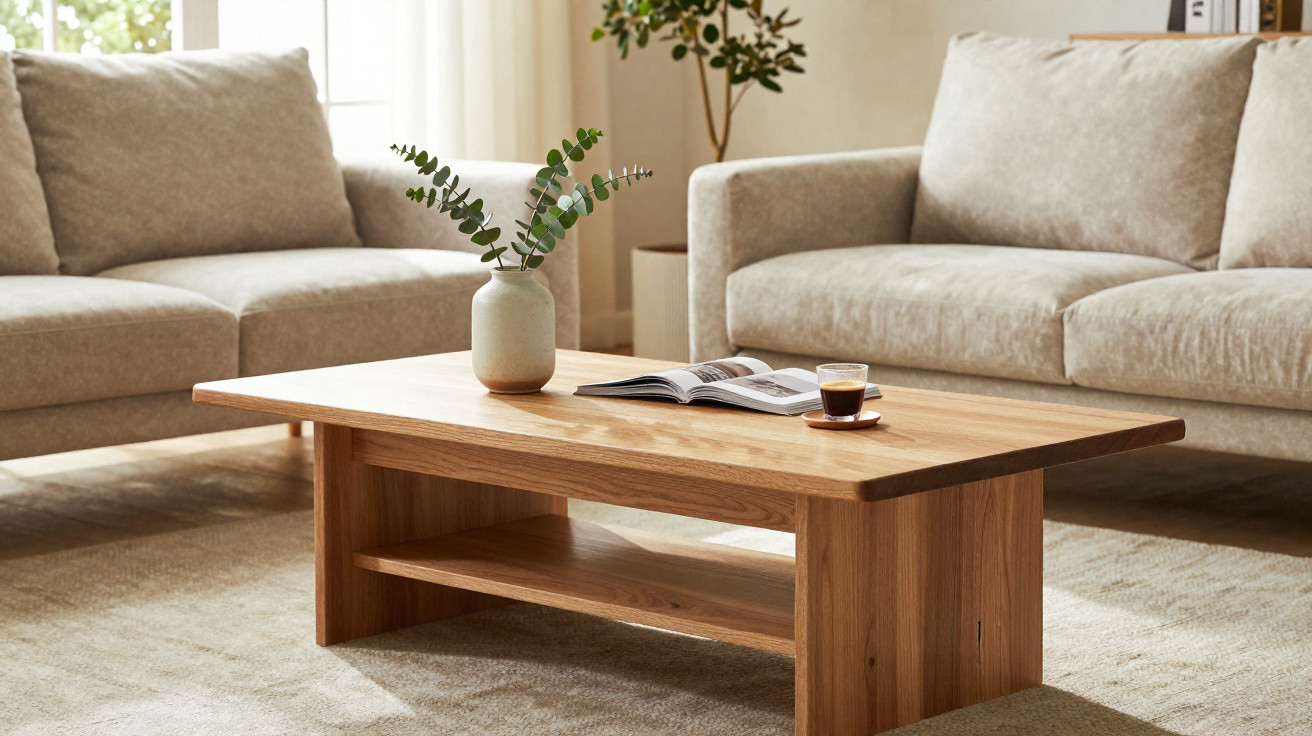
Its listings include 1960s sideboards, Scandinavian armchairs, industrial lamps and handmade dining tables. Prices are considerably higher than for conventional second-hand furniture, but buyers receive one-off items that would be difficult to find in this form at a furniture retailer.
Here, used does not mean “cheap”; it means “with a history” – and that is precisely what gives a living room its appeal.
The platform acts as an intermediary between dealers, collectors and private sellers. Integrated payment systems and return policies offer buyers additional security, particularly when purchasing more expensive pieces.
What buyers should check when purchasing second-hand furniture
Whether it is a low-cost classified advert or an expensive vintage piece, a few rules can help prevent disappointing purchases:
- Check the dimensions: Measure the height, width and depth before buying, then compare them with the floor plan.
- Inspect the condition closely: Enlarge photographs and ask specifically about scratches, stains or unstable parts.
- Check for smells: Smell upholstered furniture in person to identify tobacco or pet odours.
- Plan transport: Arrange help with moving or hire a van in good time, particularly for large wardrobes and sofas.
- Assess the price realistically: Compare it with the new price and set yourself a spending limit.
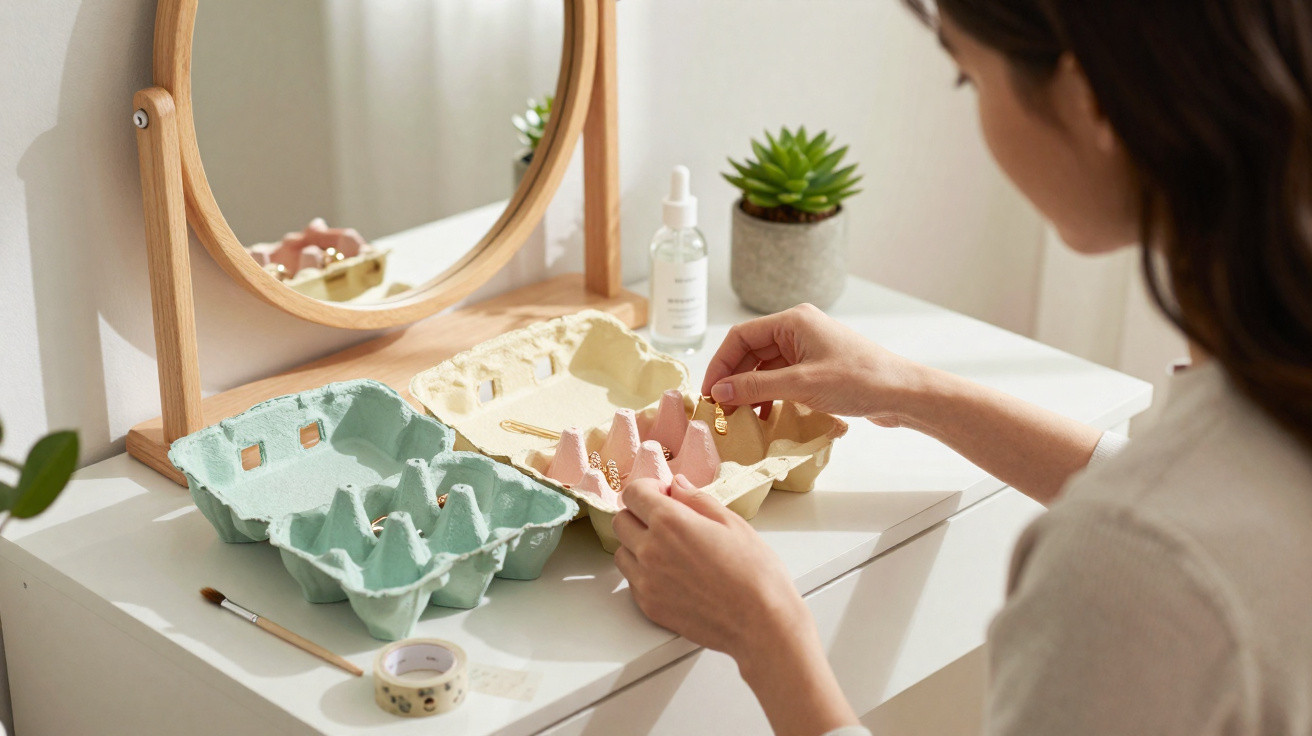
Anyone with a little DIY ability can remedy many flaws themselves: sanding, painting or fitting new handles can make an old piece of furniture look much more contemporary.
Second-hand furniture in German-speaking countries: similar opportunities
The examples above come from France, but the underlying principles apply equally in Germany, Austria and Switzerland. These countries also have major classified-advert platforms, local giveaway exchanges, social furniture shops and pre-owned sections in large furniture stores. Anyone who searches carefully can find a suitable option for almost any budget.
The combination of online research and offline purchasing is particularly useful: many platforms display listings online, but the actual inspection still takes place in person. This makes it far easier to judge stability, colour and texture than from a screen.
Second-hand as a lifestyle: more than simply a money-saving trick
Anyone who has seen an old dining table become their favourite piece after receiving a new finish soon starts to view furniture differently. Not every item needs to be brand new. Many people now deliberately mix a few new basics from a furniture store with characterful pieces that have been bought second-hand or restored themselves.
This approach not only protects the budget but also changes the way people think about consumption. They consider more carefully whether an impulsive new purchase is necessary, or whether an existing piece of furniture can serve another purpose. At a time of limited resources, this approach is becoming steadily more important while also making homes more individual and lively.











Comments
No comments yet. Be the first to comment!
Leave a Comment