
Wet window panes every morning, misted-up frames, a musty smell – and growing worries about mould.
What genuinely helps often surprises people.
In countless homes, cold nights are now showing up directly on window panes. Condensation drips down, seals turn black and, in the worst cases, mould begins to spread. The good news is that a few targeted steps can substantially reduce damp windows and provide better protection for your health.
Why water collects on windows
The cause is straightforward: warm, moisture-laden indoor air comes into contact with a cold surface. In most homes, the window pane is the first such surface. Warm air can hold more water vapour than cold air. When it cools against the cold glass, some of that moisture becomes visible as tiny droplets – condensation.
“Where condensation regularly remains, mould has the perfect breeding ground – particularly in seals and hidden corners.”
If the water is left there, it gradually seeps into frames, silicone seals, wallpaper and plaster. The effects range from unsightly marks to a permanently increased level of spores in the indoor air. People with allergies, asthma or sensitive airways often react particularly strongly.
Ventilating and heating properly: the foundation for preventing condensation
Without controlled air exchange, any home will eventually become too damp. Breathing, cooking, showering, laundry and houseplants alone release several litres of water into the air each day.
Air rooms thoroughly rather than leaving windows tilted open
- Open all windows wide three to four times a day.
- Ventilate for around 5 to 10 minutes each time.
- Open windows or doors on opposite sides to create a through-draught.
- Do not leave windows permanently tilted open, particularly during winter.
A conventionally tilted-open window mainly cools the window reveal and the area around the frame. This is precisely where moisture then settles more heavily. Short, intensive periods of ventilation are much more effective.
Do not lower the temperature too far
Many people turn their heating right down to save money, or switch it off overnight. Walls then become cold, so moisture condenses more quickly. This can even result in higher heating costs because rooms must be warmed up again from very low temperatures in the morning.
The following are useful guide temperatures:
- Living rooms: 19–21 °C
- Bedrooms: 16–18 °C
- Bathrooms: 20–23 °C
Maintaining a moderate, consistent temperature prevents major fluctuations and reduces the risk of moisture settling on cold surfaces.
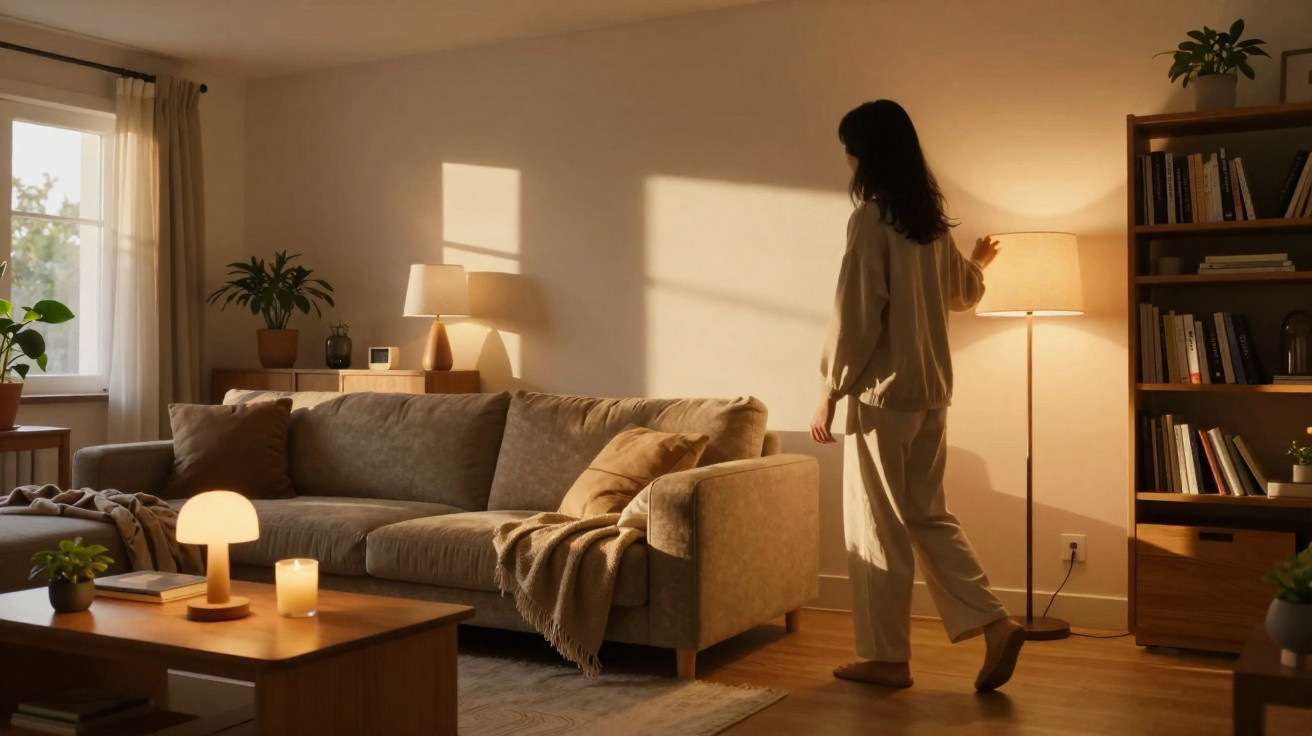
The bedroom problem: damp window panes after every night
The issue is especially noticeable in bedrooms each morning. Two people can release a litre of water or more into the air overnight through breathing and perspiration.
What really helps in the bedroom
- Do not turn the heating off completely overnight; reduce it only slightly.
- Air the room thoroughly for 5–10 minutes as soon as you get up.
- Regularly wipe dry the inside of window frames.
- Leave space between external walls and furniture, at least 5–10 cm.
- Do not hang laundry to dry in the bedroom.
The final point in particular is often underestimated. Drying clothes release water into the air for hours. In small rooms with cool external walls, humidity can quickly rise to critical levels.
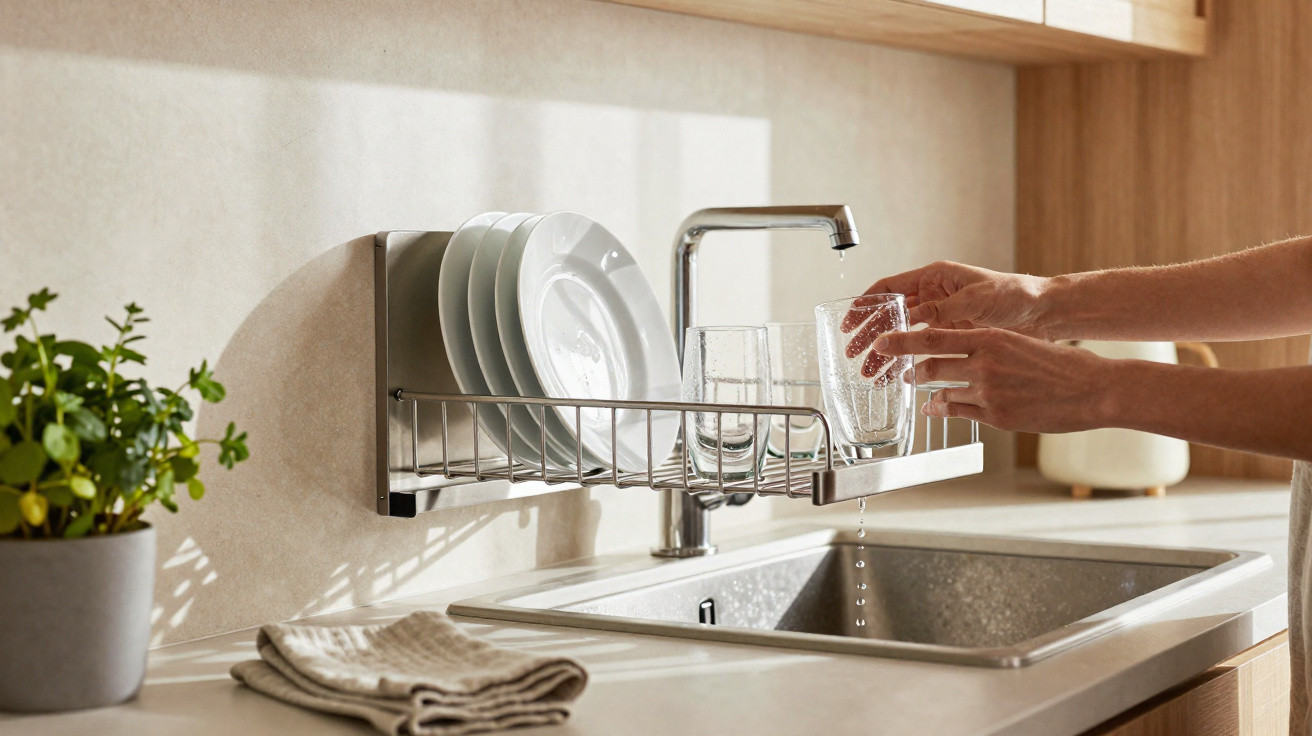
How the kitchen becomes a moisture trap – and what helps
Cooking, boiling water and washing up all produce large amounts of steam. With the kitchen door open, it can easily travel into the hallway and living room before ultimately settling on the coldest windows in the home.
Rules for a drier kitchen
- Always use the cooker hood, ideally in extraction mode.
- Use lids on pots and pans whenever possible.
- Leave a window slightly open while cooking, or air the room thoroughly afterwards.
- Keep the kitchen door closed during food preparation so steam does not spread.
After eating, it is worth checking the window panes. If they are misted up, a brief but powerful exchange of air will help. This sends moist air directly outside rather than allowing it to settle in other rooms first.
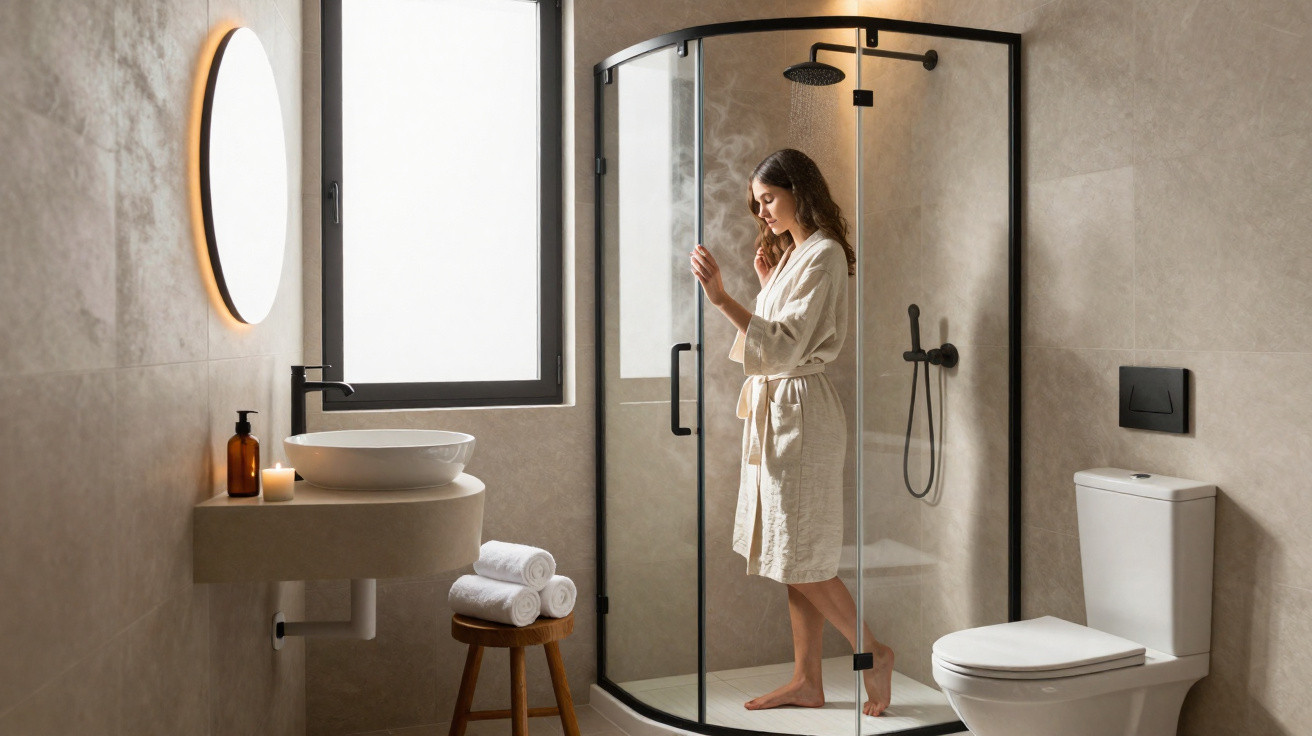
Bathroom and shower: manage steam deliberately
A bathroom can generate more moisture in a few minutes than the rest of the day. Hot showers and baths can cause humidity to rise sharply within moments.
Greater discipline in the bathroom makes a big difference
- Keep the bathroom door shut while showering.
- Open the window wide after showering or switch on the extractor fan.
- Use a squeegee to dry wet tiles and shower walls.
- Do not leave damp towels permanently in a small, poorly ventilated bathroom.
In internal bathrooms without windows, a working extract ventilation system is especially important. If the fan runs for too short a time, or not at all, moisture spreads throughout the home – with the familiar consequences on windows.
When that is not enough: use dehumidifiers selectively
If windows are still wet in the morning despite airing rooms and heating sensibly, an electric dehumidifier may be worthwhile. The appliance removes moisture from the air and collects it in a container.
Typical places to use one include:
- Basement rooms with limited ventilation options
- Bedrooms with persistently very high humidity
- Older properties with poorly insulated external walls
“A good dehumidifier usually keeps humidity between 45 and 55 per cent – a range in which mould spreads far less easily.”
A simple hygrometer from a DIY shop will show whether humidity in the home regularly exceeds 60 per cent. If it does, it is worth taking a closer look at how the space is used, ventilation habits and, where necessary, a dehumidifying appliance.
Protecting windows: films, proper frame care and practical tricks
Alongside ventilation and heating, the condition of the windows themselves also matters. Single glazing and old frames are considerably more prone to condensation than modern energy-efficient windows.
What you can do directly to the windows
- Apply special films that slightly warm the inner surface of the glass.
- Keep seals clean and dry, inspect them regularly and replace them when necessary.
- Keep grooves in the window frame and drainage channels free of dirt.
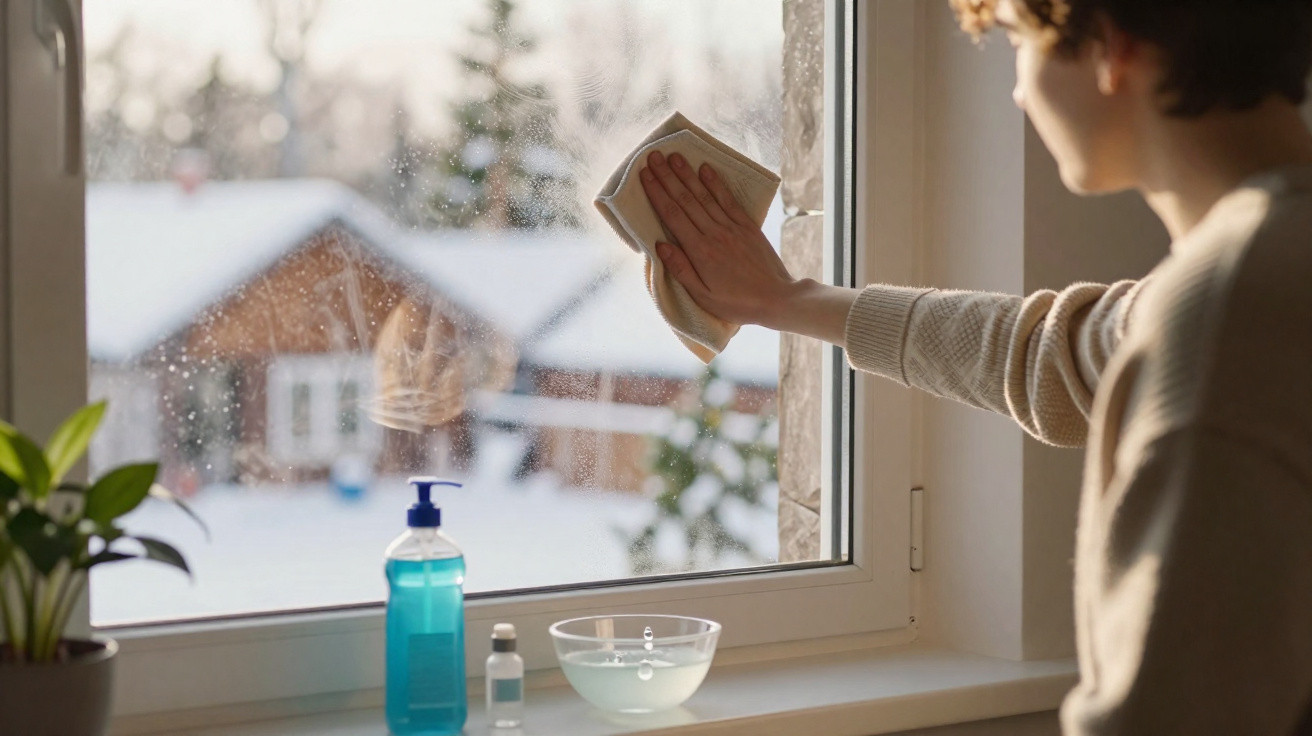
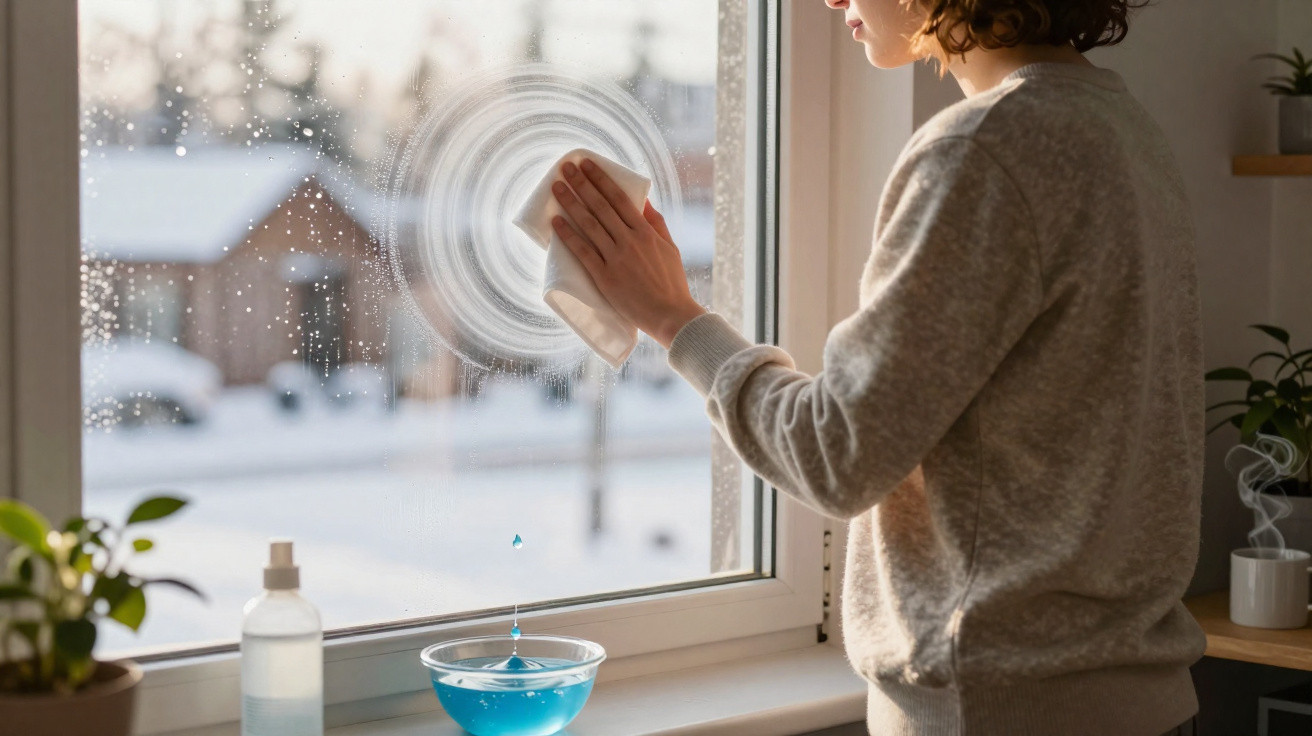
- Remove condensation each morning with a cloth or squeegee.
These measures are no replacement for proper insulation, but they can noticeably reduce the amount of water left on the pane and allow vulnerable areas to dry more quickly.
Why health is central to the issue
Mould is not merely a cosmetic problem. Many types release spores that can be inhaled. This may cause coughing, sore eyes, headaches or breathing difficulties. Children, older people and anyone with a weakened immune system are particularly sensitive.
Anyone who regularly sees condensation on their windows should therefore consider more than the appearance of their home. A persistently damp environment can affect the body over many years, often gradually and without the cause being immediately apparent.
How to judge whether humidity is still within the right range
A small measuring device provides clarity. Hygrometers usually cost only a few pounds and show how much water is in the air. For living spaces:
- below 40 per cent: too dry; mucous membranes may become irritated
- 40–60 per cent: the ideal range
- above 60 per cent: an increased long-term risk of mould
Knowing your own readings makes it easier to adjust ventilation, heating and everyday habits, and quickly reveals which measures genuinely make a difference.
The aim is not to prevent every single drop on the glass. What matters is avoiding a permanently damp environment. Those who ventilate regularly, heat moderately, monitor sources of moisture and care for their windows significantly reduce the risk of mould while also creating a much more comfortable indoor climate.











Comments
No comments yet. Be the first to comment!
Leave a Comment