
Behind this contradiction lies a rather stubborn combination of physics and indoor climate.
Blue skies outside, cold fingers indoors: many people know this feeling when the first pleasant spring days arrive. Visually, everything suggests a terrace, coffee and a T-shirt, yet the flat feels like a poorly heated holiday cottage. This is neither a coincidence nor a sign of “bad heating”; it results from several effects that work together particularly strongly in March – from slow-to-warm walls to damp air and troublesome draughts.
Why spring sunshine only pretends it is warm
When the sun finally pours through the windows after a grey winter, the brain automatically expects warmth. Your eyes see summer, while your body feels a fridge. The reason is that the home is still operating in winter mode.
Slow-to-warm walls: when the building fabric is still stuck in winter
Buildings respond very gradually to changes in temperature. Specialists call this thermal inertia. During winter, walls, ceilings and floors cool down over many weeks. Concrete, brick, screed and tiles store cold much like a battery – only at low temperatures.
Even if the air outside is already milder, the solid parts of a building still release cold into rooms in March and slow down any warming.
Even when the heating has already been turned down or switched off entirely during the day, the house remains a giant cold store. Room air may warm briefly, for example when sunlight falls directly through a window. However, cold surfaces draw that warmth away again. This is particularly noticeable when you:
- run your hand over an external wall – it feels cool;
- walk barefoot across tiles – they feel icy cold;
- sit near a window – coolness radiates from the wall.
Your body interprets this as “it is cold in here”, even if the thermometer reads 20 degrees.
Spring sunshine: bright, but still rather weak
In March, the sun is certainly more visible, but it remains relatively low in the sky. Its radiant output is nowhere near that of a July afternoon. The light may be intense, but the energy behind it is comparatively limited.
As a result, sunshine heats individual surfaces – the windowsill, sofa or table – rather than the mass of the building. Its energy is not enough to warm through walls that have been sitting at 10 to 12 degrees for weeks. This creates an optical illusion: it looks summery, but climatically it is still late winter with flattering light.
Invisible cold factors: humidity and draughts
The second major group of influences cannot be seen; they can only be felt. Two factors have a particularly strong effect on whether a room feels warm or cold: humidity and air movement.
High humidity makes every room feel colder
After a wet, often rainy winter season, a great deal of moisture remains in the home: in textiles, masonry and the air. Especially during the transition into spring, humidity in many flats sits well above the ideal range of 40 to 60 per cent.
Damp air draws more heat from the body – intensifying the sensation of cold in much the same way as wind outdoors.
The effect is similar to wearing a wet T-shirt in the shade: the actual air temperature is not especially low, but you quickly feel deeply chilled. Excessive humidity in living spaces can lead to:
- cold feet and constant shivering;
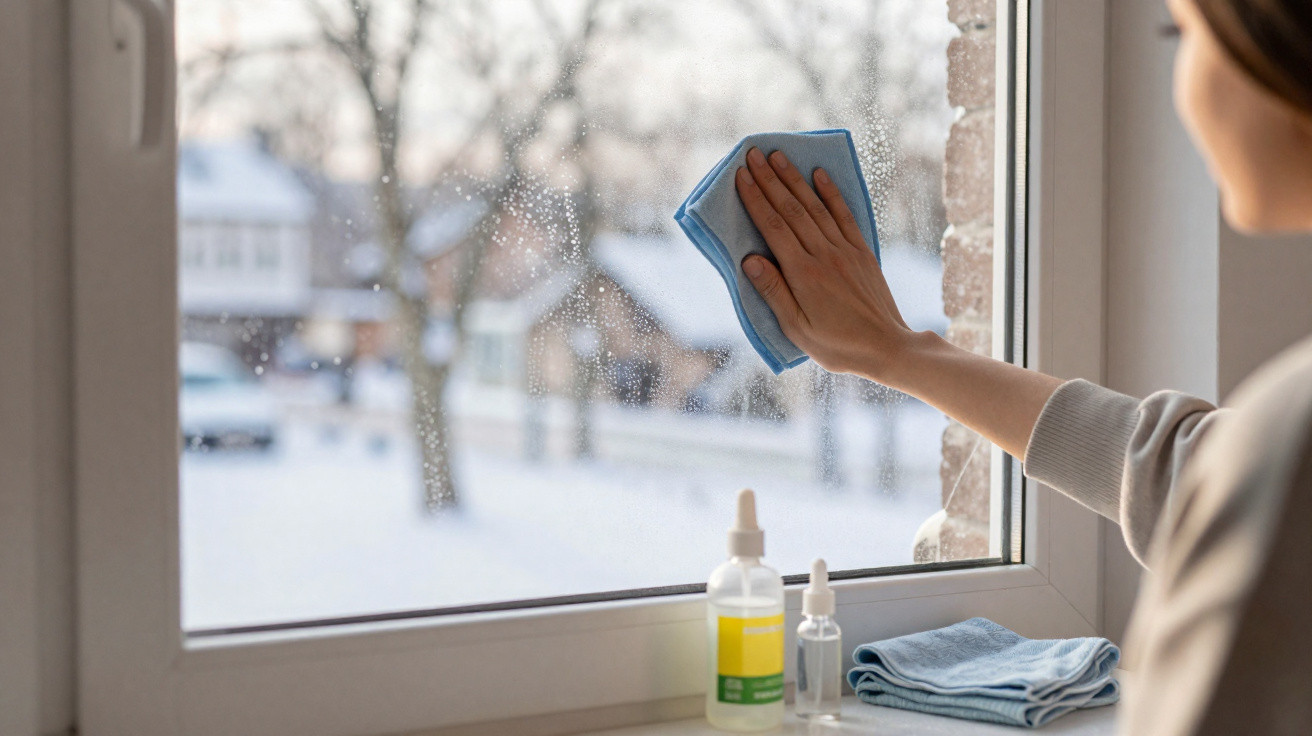
- condensation on windows in the morning;
- a musty smell in certain rooms;
- a greater risk of mould on cold external walls.
So, if you feel cold in your flat in March while also seeing droplets of water on the window frame, the issue is not just temperature – it is primarily moisture.
Draughts: small gaps, major impact
The third factor is air flow. Even tiny leaks around windows, doors, sockets in external walls or, in older buildings, radiator recesses can create a measurable current of air. It is often felt only as a slight draught, especially:
- on the sofa beside the balcony door;
- at a desk near a window;
- at floor level along an external wall.
These almost imperceptible movements of air have a powerful effect: they strip away the thin layer of warm air surrounding your body. Normally, that layer acts as miniature insulation. If cooler air constantly replaces it, you will feel cold despite an acceptable room temperature.
A narrow gap around the balcony door can be enough to ruin the feeling of warmth throughout the living room.
What you can do to escape the March cold trap
The good news is that you do not need to turn the heating straight back up to full. A few targeted measures can significantly reduce the effect and gradually prepare your home for spring.
Ventilate properly: remove moisture while retaining warmth
Short, intensive ventilation is far more effective than leaving windows tilted open for long periods. Ideally, open windows wide for five to ten minutes two or three times a day, preferably:
- in the morning, once it has become a little warmer outside;
- after showering or cooking;
- when drying laundry indoors.
This lowers humidity without allowing walls and floors to cool completely. Those who regularly air rooms with windows left on the tilt setting create the opposite result: cold surfaces, damp corners and constant chills.
Use solar warmth – but manage it intelligently
Sunlight can be used deliberately as free heating. A few straightforward rules can make a big difference:
- Open curtains and blinds on sun-facing windows during the day.
- Avoid pushing furniture directly in front of these windows, so light can reach the floor and walls.
- Once the sun has gone down or it gets dark, close blinds and draw the curtains – this noticeably slows heat loss.
Modern heavy curtains or thermal blinds, in particular, can greatly reduce the perceived cold near windows. Suddenly, sitting at the dining table or by the window becomes much more comfortable.
Take the chill off floors and walls: small measures, big results
Cold feet are one of the strongest triggers for feeling chilly. Even an extra textile layer can help:
- place rugs or runners over cold tiles and laminate;
- move seating slightly away from external walls;
- use cushions, throws and fabric covers generously.
This may sound simple, but it has a solid physical basis: the fewer body surfaces that have a direct “line of sight” to cold building components, the less heat they radiate away. The perceived temperature rises.
Find and seal draughts
Anyone seriously wanting to tackle the March cold in their flat should set aside an afternoon to look for leaks. A simple test involves:
- holding a tea light, incense stick or damp hand near window and door seals;
- watching whether the flame flickers or the smoke trail moves;
- marking problem areas and sealing them later.
Self-adhesive sealing tape, door-threshold sealing strips or foam draught excluders placed in front of door gaps are often sufficient. In rented flats, it is particularly worth checking:
- balcony doors;
- old wooden windows;
- front doors opening onto communal stairwells.
Sealing just one leaky window can raise the perceived temperature in a room by one to two degrees – without any additional heating.
When technology helps: hygrometer, thermostat and dehumidifier
Anyone wanting a clearer picture of the situation can buy a small hygrometer for the home. These devices cost only a few pounds, but show very clearly whether humidity is within the healthy range. Readings consistently above 60 per cent indicate a moisture issue for which regular short ventilation alone is often insufficient.
In heavily affected rooms – such as poorly insulated ground-floor flats or bedrooms on north-facing elevations – an electric dehumidifier can be useful. As humidity falls, the room air becomes noticeably more pleasant and you feel less cold.
It is also worth checking the heating controls: maintaining a modest base temperature of 18 to 19 degrees in rarely used rooms prevents walls from cooling down completely. Over time, this saves energy because the heating system does not have to compensate for huge temperature differences during the transitional season.
How to assess your own comfort more accurately
Many people rely solely on the thermostat display. It is wiser to consider several factors together:
- air temperature (thermometer);
- surface temperature of walls and floors (the hand test);
- humidity (hygrometer);
- perception of draughts (is there a draught anywhere?);
- what you are wearing (a T-shirt or a thick jumper?).
Anyone who keeps all of these in mind will quickly understand why 20 degrees can sometimes feel cosy and sometimes freezing. This observation is especially worthwhile in March, as it determines whether the home feels like a cold store throughout spring – or gradually becomes a pleasant, dry and comfortable place.















Comments
No comments yet. Be the first to comment!
Leave a Comment