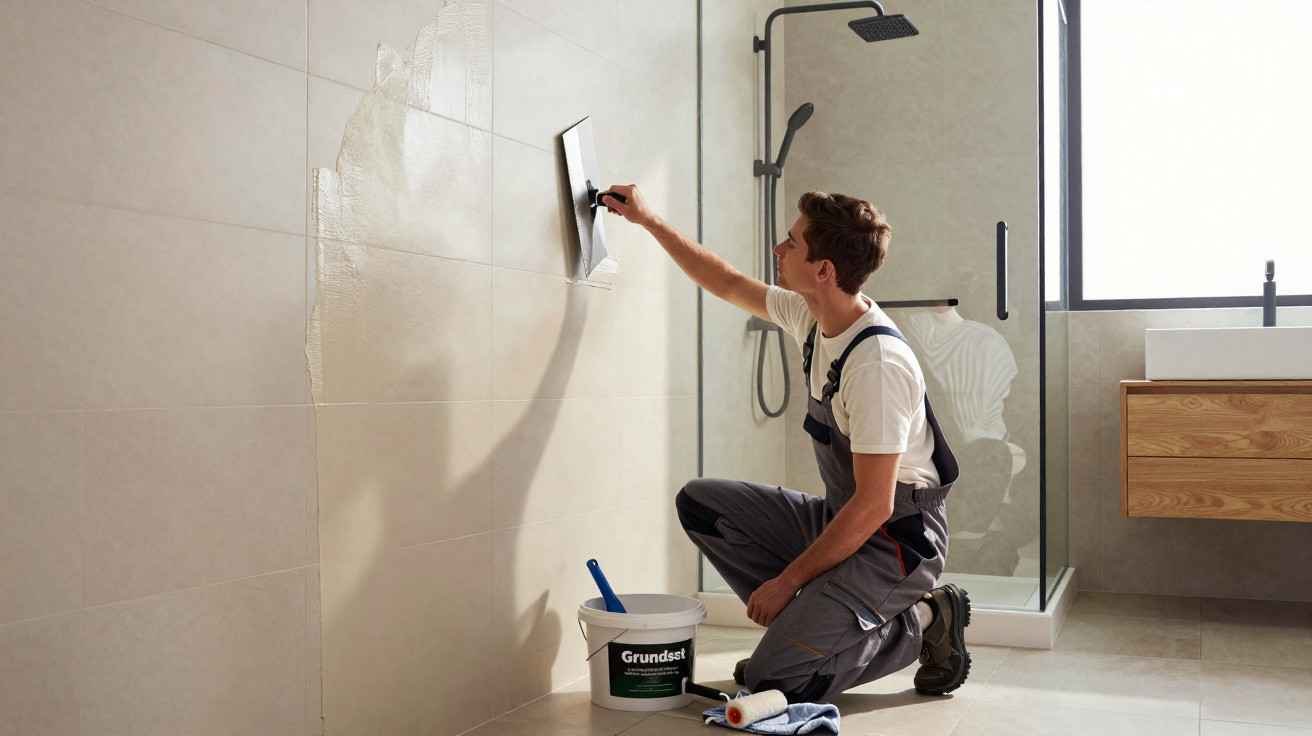
Replacing traditional tiles with seamless surfaces has become increasingly popular in modern home renovations. This innovative option removes unwanted structural lines, limits the regular build-up of moisture, and refreshes a room with considerable visual elegance, without complex demolition work.
Why does grout-free cladding prevent mould in the bathroom?
Conventional grout tends to collect dirt and water very easily over the years. Without these gaps, bacteria are less able to spread, making the room’s cleaning routine much quicker and more effective for everyone.
With a sealed, monolithic texture, the walls repel excess steam created by everyday showers. This smooth finish helps prevent early dark stains, keeping the home looking fresh and well maintained.
How can you cover old tiles without demolition work?
There is a practical method for covering floors and tiles without mess, although the fixing stage requires one important detail… Read more
How does a seamless finish transform the room’s appearance?
A continuous composition creates a striking impression of spaciousness, making it ideal for compact bathrooms that need a lighter feel. With no geometric divisions, it delivers a distinctive architectural flow and brings the property’s visual style closer to that of refined spas.
This aesthetic concept works particularly well with wooden elements, contemporary sanitaryware, and matt metal details. The outcome is a pleasant, welcoming, and highly sophisticated space that enhances interior architecture through a clean, modern, and highly durable look.
Below is a video from the YouTube channel Faby Franco – Construction, reforms and DIY, which explores the points discussed in this topic in greater depth:
How is the coating applied over old tiles?
This method avoids the rubble created by traditional removal because it is applied directly over old ceramic tiles that are firmly fixed in place. The process only requires thorough cleaning of the tiles, careful levelling of the surfaces, and the use of specific products to ensure complete structural adhesion.
The work involves carefully layering thin coats with a suitable trowel to achieve a smooth, even finish. This technical precision prevents unwanted rippling and prepares the base for the protection required against continual moisture and daily mechanical wear.
Essential Application Kit
Essential materials
These items ensure the cladding is fixed correctly:
- Adhesion primer for fixing over ceramic tiles;
- Fibreglass mesh to prevent cracks and fissures;
- Two-component polyurethane waterproofing sealant.
What are the main benefits of this modern technique?
Choosing this system substantially cuts the overall time needed for the work, while avoiding excessive noise and dust throughout the home. In addition, the thin layer of compound does not reduce usable space or require major alterations to door frames.
Its water resistance makes the shower area safer from unwanted structural leaks. This long-lasting seal protects the masonry, giving residents peace of mind and reducing frequent spending on corrective repairs in the family bathroom.
The following list outlines the main benefits gained by applying this continuous protection:
- Complete protection against leaks and constant moisture;
- Easy daily cleaning without dirt build-up;
- Long-lasting preservation of the sophisticated visual finish.
How can the surface be kept clean and protected?
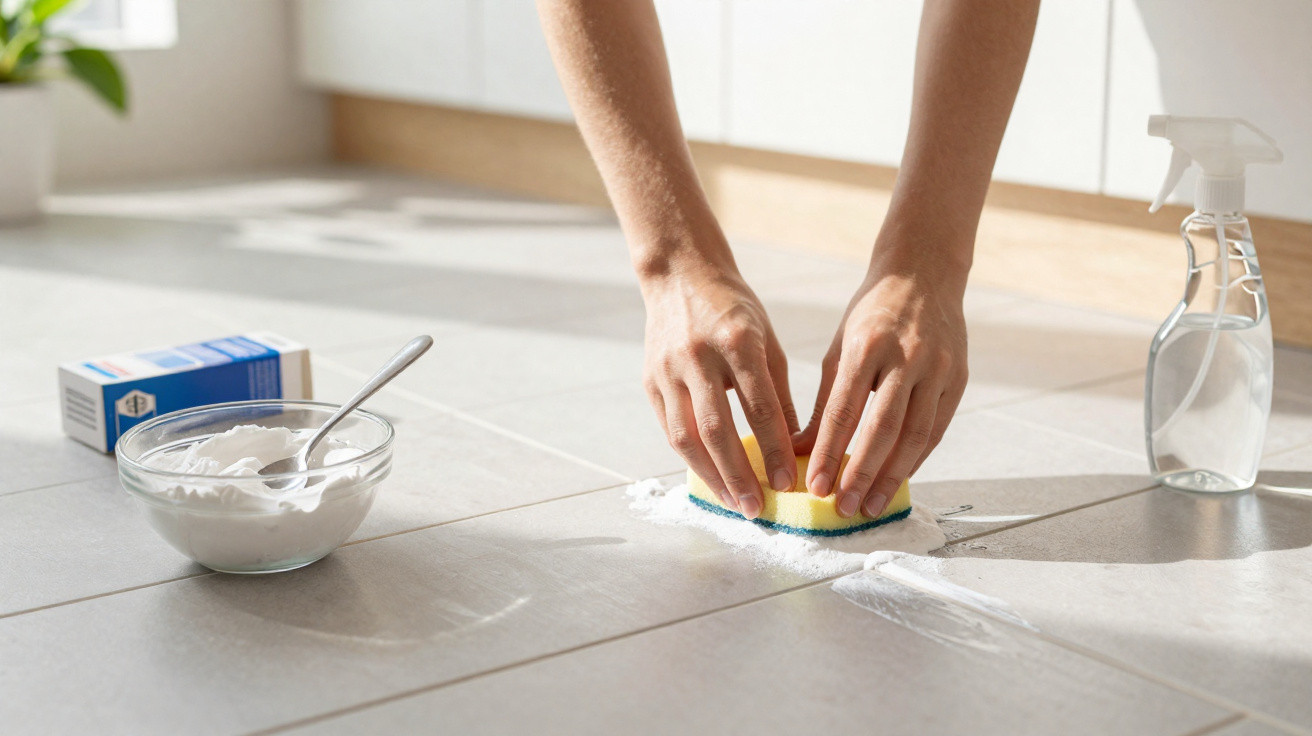
Day-to-day care requires only warm water, mild soap, and soft microfibre cloths. Abrasive products and acidic substances should be avoided so they do not wear away the waterproof sealant that preserves shine and integrity.
Periodically reapplying the protective wax or varnish recommended by specialists efficiently renews the protective layer. This simple measure keeps the waterproofing active for many years, ensuring the bathroom retains its sophisticated appearance and full functionality.







Comments
No comments yet. Be the first to comment!
Leave a Comment