
When the days become sunnier again, every speck of dust is exposed without mercy – and suddenly your home seems smaller and more crowded than you thought.
The change to the warmer season is an ideal time to shed excess: declutter, reorganise and clean thoroughly. A professional organisation expert explains how to plan major spring cleaning without stress, structure it intelligently and finish so thoroughly that the new order genuinely lasts.
Why a plan makes spring cleaning much easier
Many people begin full of enthusiasm, fling open cupboards and take everything out – only to find themselves facing a mountain of clutter. Before long, this creates frustration, time pressure and areas that are only half finished. A defined process prevents exactly that.
“Think first, clean second: anyone who sorts and structures before picking up a cleaning cloth saves themselves half the stress.”
The organisation expert recommends treating spring cleaning as a project made up of stages rather than a chaotic all-at-once effort. A little mental preparation is part of this too: take a brief breath, set realistic expectations and accept that an entire life does not have to be “optimised” in a single day.
Step 1: Divide your living areas sensibly and set priorities
Before emptying anything, walk around your home. Ask yourself one straightforward question: “What would this room need to look like for me to let it to strangers tomorrow without feeling embarrassed?”
This will quickly show you:
- which corners look cluttered or overcrowded;
- where habitual drop zones have developed, such as chairs, sideboards and the hallway;
- which cupboards are overflowing and urgently need structure.
Use this assessment to make a list of the zones that need attention: the bathroom cabinet, food cupboard, coat area, wardrobe, living-room sideboard, hallway drop zone and so on.
Never start with sentimental belongings
A common mistake is beginning with old photographs, keepsakes or inherited crockery. These items slow everything down because every decision feels difficult.
“Spring cleaning should always begin with ‘easy’ items that leave little room for debate.”
Good starting points include:
- expired medicines and cosmetics in the bathroom;
- food in the cupboard;
- old leaflets, magazines and promotional letters.
These tasks create visible results quickly and build momentum for the more difficult areas.
Step 2: Set time blocks – and be kind to yourself
Rather than declaring, “I’m doing everything today,” create a specific schedule. Give each task a clear time slot: around two hours for the living-room cupboard, one hour for the bathroom cabinet and 90 minutes for the hallway.
This is motivating in two ways. It is easier to begin when you know the task will not consume the entire day. You also stay more focused because an internal clock is ticking.
“People who take on too much during spring cleaning do not fail because of the mess – they fail because of their own excessive expectations.”
Most importantly, do not panic if a task is not fully complete by the end of its planned slot. Move the remainder to the next block. A home is an ongoing project, not an exam subject.
Step 3: Arrange disposal and donations in advance
Decluttering inevitably produces rubbish as well as items that are still usable but no longer have a place in your life. A little preparation stops you being left sitting among piles of boxes:
- check the opening times of your local household waste and recycling centre;
- note the locations of clothes banks and electrical-item collection points;
- identify donation options for intact household goods.
This means everything removed during your spring cleaning can leave the home promptly instead of remaining in a corner for weeks.
Step 4: Get the right supplies ready
Before you begin, carry out a quick equipment check:
- comfortable clothes that can get dirty;
- sturdy rubbish bags for broken or worthless items;
- a bag or box for donations;
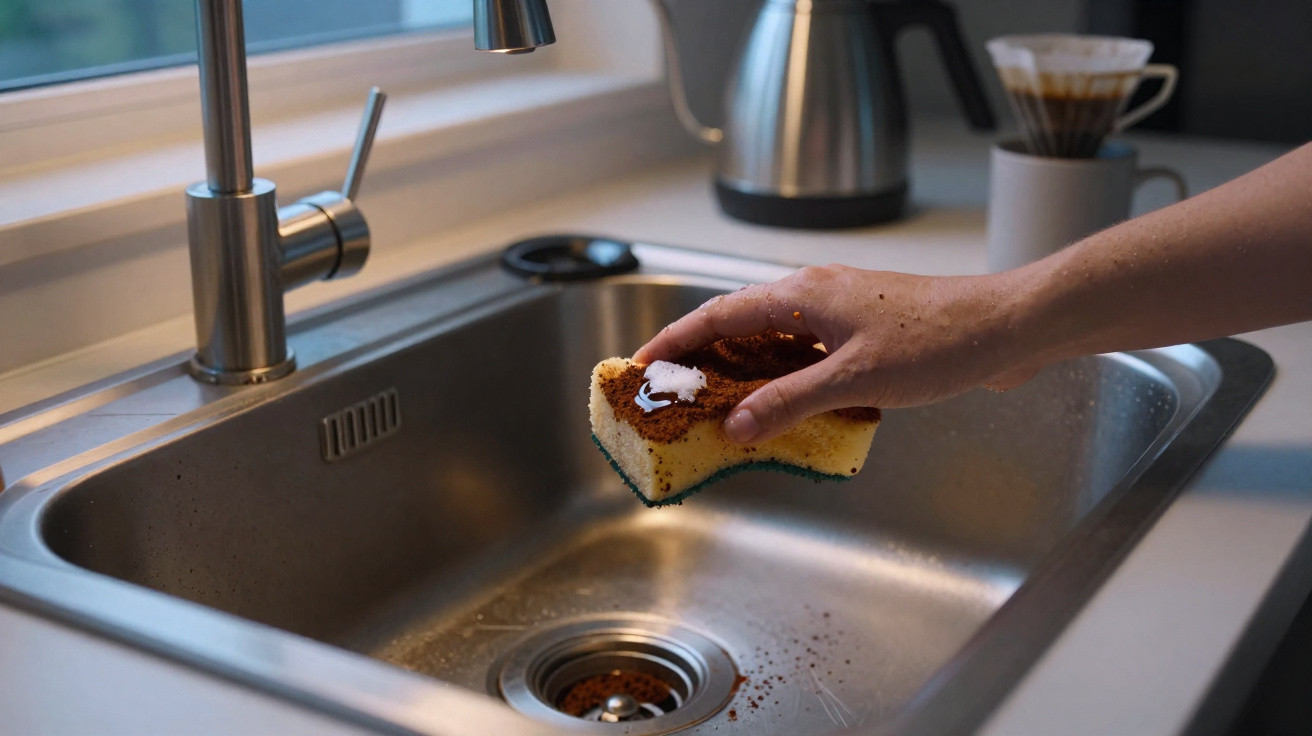
- a vacuum cleaner, multi-purpose cleaner, sponges and cloths.
The expert suggests putting your phone on silent and playing music or a podcast instead. It helps you stay on task while pairing spring cleaning with something enjoyable.
Step 5: Declutter your wardrobe without losing focus
The spring-cleaning project often comes unstuck when it reaches clothing. The classic scenario is that every item ends up on the bed, the pile looks enormous and motivation drops. A gradual approach works better.
Work category by category, not all at once
The professional method is to split the wardrobe into categories. Start with underwear, then T-shirts, followed by trousers, jumpers and jackets. Take out only the category you are currently sorting; everything else stays in the wardrobe for the time being.
For every item, ask yourself short, direct questions:
- Do I genuinely still wear this?
- Do I feel comfortable in it?
- Do I own something similar that I much prefer wearing?
“If an item of clothing has not been worn for two to three years, there is almost always a reason – and it is often a good reason to part with it.”
Use firm limits to create order
Another approach is to let the number of available hangers or compartments determine how much may stay. If you have ten hangers, then only ten shirts remain. If you decide on five pairs of jeans, consistently remove the ones that pinch, rub or simply never get worn.
For items you absolutely cannot decide about, create a “waiting bag”: put the clothing in a separate bag outside the wardrobe. If you have not missed it after a few months, you know what needs to happen.
Step 6: Create order that lasts
A home is more likely to stay tidy when its new arrangement is not only practical but visually pleasing as well. People are more inclined to put things back properly when the result looks good.
In the wardrobe, this could mean:
- arranging clothes by colour, from light to dark;
- placing similar items, such as jeans, alongside one another;
- using boxes or baskets for smaller items.
“When organisation looks attractive, the mind treats it as the ‘normal state’ – and you automatically feel more inclined to maintain it.”
Labels as a memory aid
Labelled boxes and baskets are particularly useful. When they say “cables”, “tools”, “travel sizes” or “winter accessories”, new items are far less likely to end up in the wrong container. The brain likes clear prompts and takes the easiest route – which is precisely what labels make use of.
If you live with other people, briefly explain the new setup: where will batteries be kept from now on? Where do umbrellas go? This allows everyone to take part, so the effects of spring cleaning last well beyond one weekend.
A small trick with a big effect: before-and-after photographs
One tip from the expert may sound curious, but it is highly effective: take a photograph before tackling each larger area, then another one once the task is complete.
The effect is remarkably powerful:
- progress becomes visible and rewards perseverance;
- you can see how much work really goes into a seemingly “small” corner;
- an image of the previous mess makes it harder to casually clutter the space again.
Why spring cleaning is more than simply cleaning
Thorough decluttering does not just create free surfaces; it also frees up mental capacity. Fewer possessions mean fewer decisions and less visual stimulation. This can have a direct effect on sleep, concentration and stress levels.
People who work from home in particular often report being more productive after a structured spring clean. Every object has a designated place, their gaze no longer repeatedly falls on piles and boxes, and the home once again feels like a pleasant retreat.
Practical extra ideas for everyday life afterwards
Small routines can stop your newly gained order from disappearing again after only a few weeks:
- a five-minute evening routine: quickly clear surfaces before going to bed;
- “one item in, one item out”: for every new garment, an old one leaves the home;
- a monthly mini-check: critically review one drawer or compartment each month.
Anyone who establishes these micro-habits will need considerably less energy for the next year’s spring cleaning. Instead of a radical major project, a moderate refresh will often be enough.















Comments
No comments yet. Be the first to comment!
Leave a Comment