
The pursuit of a lighter life often runs up against the build-up of objects with no real purpose in our cupboards. Adopting a Nordic philosophy of letting go can profoundly reshape the household routine, bringing greater harmony, mental clarity and organisation to everyday family life.
How can the döstädning method transform your home?
Originating in Sweden, this concept encourages thorough, mindful decluttering throughout the various stages of life. The practice invites everyone to consider the real meaning of their current belongings, fostering a liberating physical and existential clear-out.
Many people keep old mementos simply out of habit, creating visual excess that overwhelms living spaces. Understanding the principles behind this process helps you identify the highest priorities and lay the essential foundations for a truly minimalist home filled with peace.
- Initial sorting: Start with large objects that are easy to dispose of, building momentum as you go.
- Memory boxes: Keep cherished photographs and letters together in one smaller, designated place.
- Open dialogue: Talk with family members about the future of items with historical value.
Why does planned letting go help your family?
Beginning this decluttering journey prevents your heirs from having to make painful decisions later, during difficult periods of bereavement. Planned letting go is a profound act of love, ensuring future generations inherit only fond stories and valuable legacies.
Giving meaningful belongings away while you are still alive also creates opportunities to share moving stories, strengthening connections with friends and close relatives. This mindful approach reduces the risk of unnecessary family disputes, turning the sorting of furniture and keepsakes into a deeply enriching emotional experience.
In the excellent audiovisual content published by BBC Global on YouTube, experts show in detail how several local residents practise mindful letting go to achieve a fulfilled, organised existence filled with harmony in their current homes:
What are the first steps to organise your routine?
Before tackling drawers full of complex memories, it is best to begin with simpler rooms in the home. This strategic approach creates an immediate sense of achievement, encouraging you to continue with cleaning and renewal tasks in the domestic environment.
The secret to gradual progress
Building new daily habits
Minimalist cleaning should not be seen as a punishment, but as a celebration of your journey and your future choices.
By making physical space, you naturally give your mind more room to breathe and allow new experiences to enter your life.
Once you have overcome the first challenges of sorting cupboards, it becomes much easier to face larger objects with strong emotional appeal. This natural progression reinforces healthy home-organisation habits, creating the ideal basis for the main practical actions for success:
- Donate clothes that have not been worn for more than a year to local charities.
- Digitise old documents and family photographs to reduce physical volume.
- Dispose of broken or incomplete items that have lost their original purpose.
How can you maintain lightness in domestic spaces over time?
Avoiding repeated accumulation requires daily attention and small behavioural changes when buying new decorative products or general household items. Creating a continuous flow in which every new item requires an older one to leave maintains stability and balance in home decoration.
Appreciating empty space provides enormous visual relief, allowing the property’s interior architecture to receive the aesthetic attention it deserves. To sustain this minimalist atmosphere over time, it is worth following the key guidance in this list of practical recommendations:
- Spend five minutes tidying up every evening before bed.
- Consider whether there is a genuine need before making any impulse purchase.
- Keep table and worktop surfaces clean and uncluttered at all times.
What are the psychological benefits of living with less?
Separating personal identity from material possessions creates a powerful sense of freedom and significantly lowers daily stress levels. Living in a space free from excess calms racing thoughts, encouraging focus on creative activities and deeper self-knowledge.
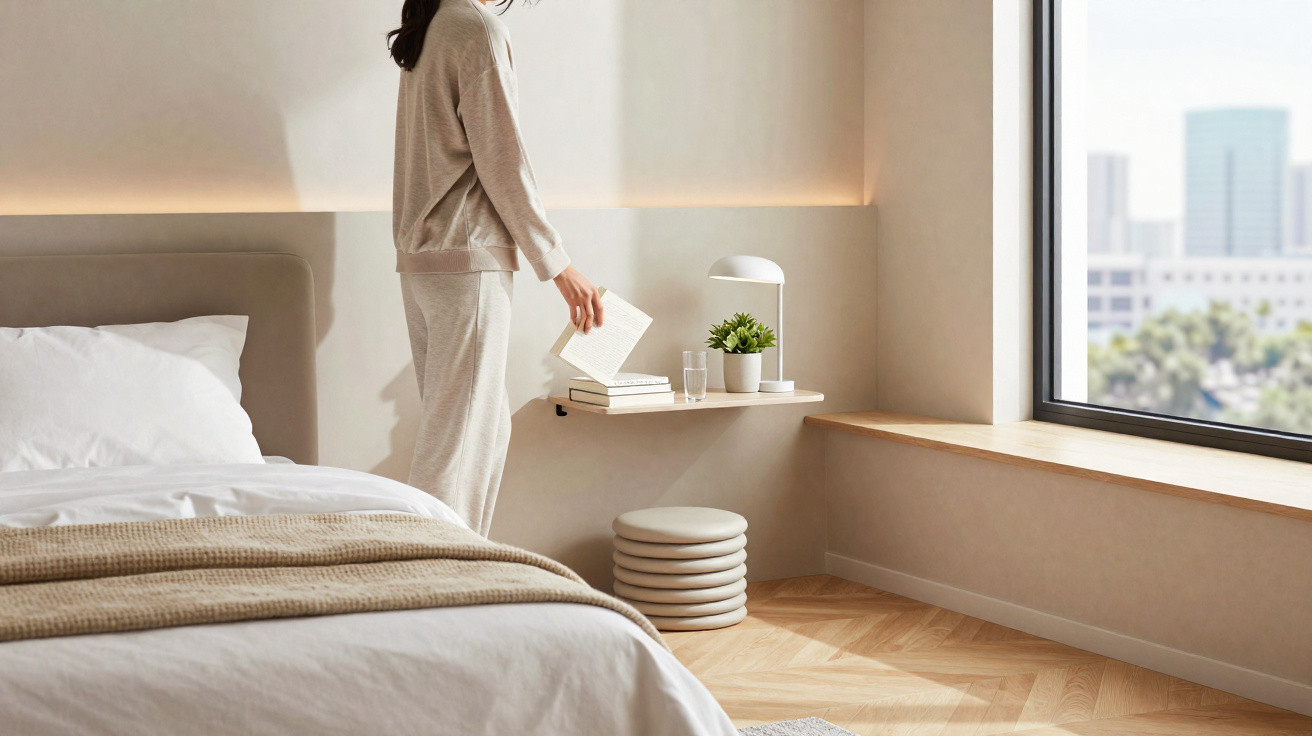
At the end of this process of letting go, every room becomes a sanctuary of calm and comfort. Finding serenity within your own home is the highest point of this Scandinavian journey, establishing a lifestyle centred on genuine happiness and inner fulfilment.


Comments
No comments yet. Be the first to comment!
Leave a Comment