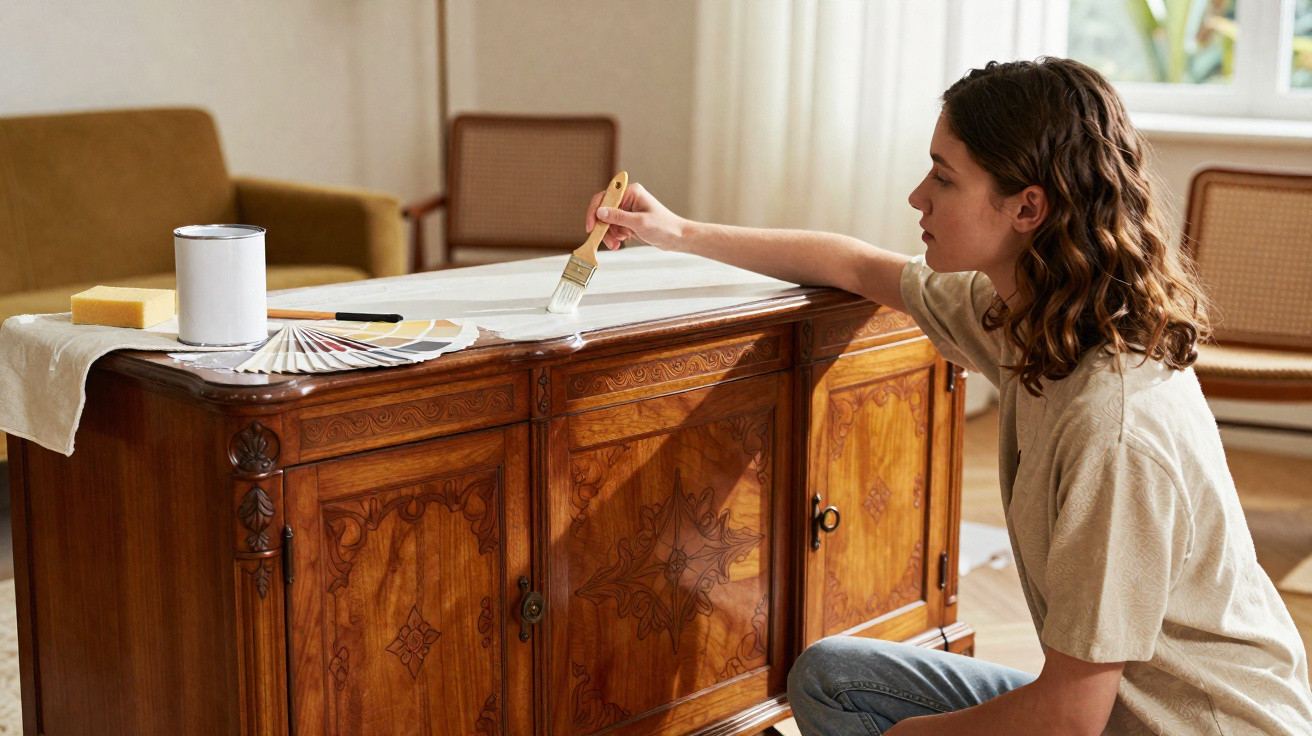
Trends such as upcycling and “do it yourself” videos can make it tempting to paint every old item white without a second thought. An heirloom can suddenly look more contemporary, while a flea-market find appears to suit a clean-lined living room. Yet, for certain pieces of furniture, this impulse can have serious consequences, ranging from a major loss of value to irreversible damage to the material.
Why painting is not always a clever decorating trick
Interior trends for 2025 are clearly moving in another direction: natural grain, visible patina and handcrafted details are highly sought after. Rather than flawless painted finishes, the focus is on warm timber, subtle signs of use and honest materials. Painting such furniture anyway not only goes against this trend, but can also destroy its substance and value.
“Once a piece of furniture has been painted over, it can rarely be restored to how it was before – original surfaces are virtually impossible to recover.”
Specialists report that certain historic pieces can lose up to 90 per cent of their market value after an amateur paint job. Even where resale does not matter, a family story, delicate veneers or the charm of old craftsmanship may disappear beneath the paint layer forever.
1. Antique furniture and solid-wood heirlooms
Genuine antiques and older family furniture are particularly vulnerable. This includes, for example:
- tall cabinets, chests of drawers or cupboards from the 19th century
- old country cupboards and sideboards
- solid-wood chests and writing desks
Collectors and antique dealers value original finishes: naturally developed patina, fine cracks in the varnish and the gentle colour variations of aged timber. Modern chalk paint or a thick coat of acrylic paint can erase these characteristics within minutes.
“Instead of a sought-after witness to its era, what often remains is merely a ‘distressed’ decorative object with no history.”
More importantly, many historic finishes were treated using methods that few people still master today, including shellac, hand-applied polishes and oil-wax blends. Painting over them removes the basis a restorer needs for professional conservation.
What to do with this type of furniture instead
- Clean it gently, for example with a lightly dampened cloth and a little neutral soap.
- Wax scratches rather than covering them with paint.
- If necessary, ask a restorer whether professional refreshing would be worthwhile.
Often, simply moving the item elsewhere in the room, changing the lighting and adding contemporary accessories is enough to make it feel fresh without opening a tin of paint.
2. Design classics from the 1950s to the 1970s
Mid-century furniture is currently in high demand: low sideboards, slender chairs, clean lines and plenty of teak, walnut or rosewood. Many of these pieces were created by recognised designers, or at least take their cue from their style.
This is exactly where paint can cause considerable harm. Their proportions, edges and transitions between materials were all deliberately designed. A bold white finish or a fashionable petrol blue shade disrupts that concept and immediately makes the furniture look suspect to those who know it well.
“A painted sideboard in this style quickly loses its status as designer furniture and slips into the category of ‘sort of retro’.”
Painting over the characteristic sheen of the veneer, the subtle angled legs or the original handles strips the piece of its recognisability. Its position on the market no longer ranges from “sought-after vintage classic” to “collectors’ item”, but instead from “quite nice” to “craft project”.
Refresh design classics rather than painting over them
Small interventions are often all that is needed to bring such furniture into a contemporary setting:
- Carefully clean the veneer, sand it very lightly and revive it with wood oil.
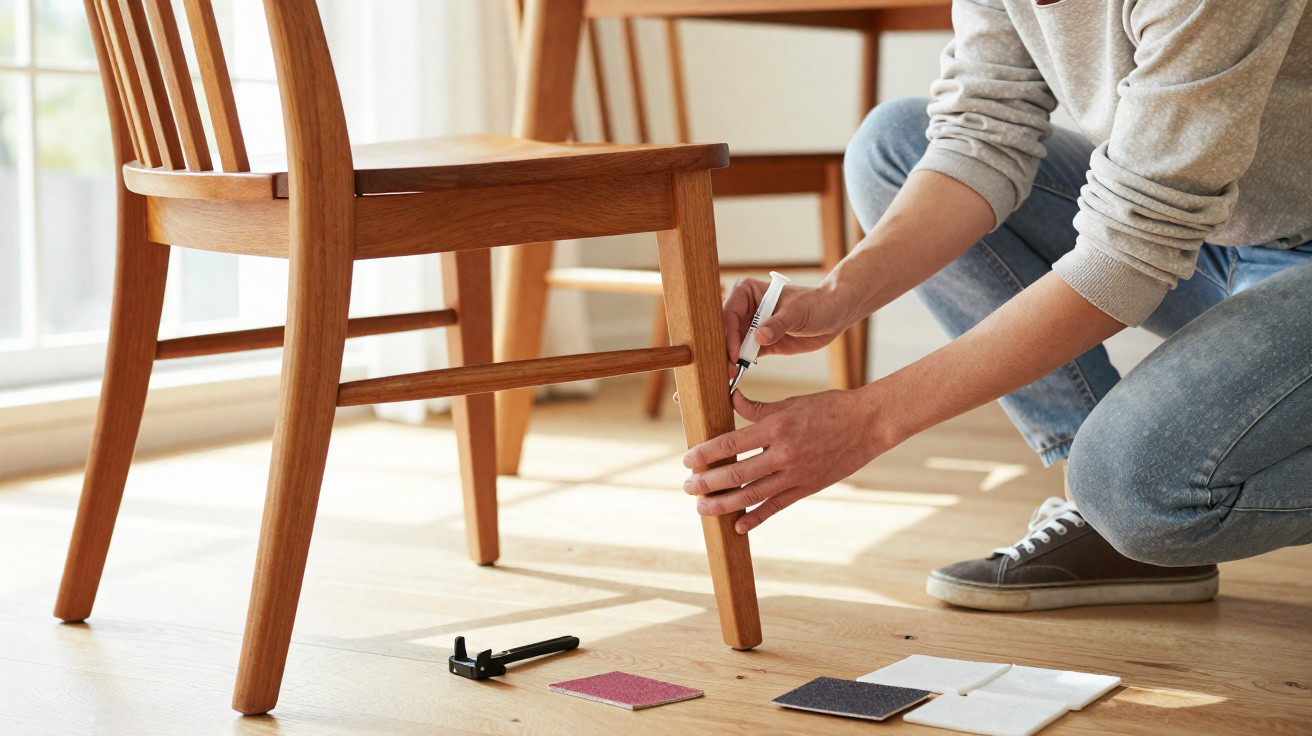
- Re-glue loose or wobbly legs without changing their appearance.
- Replace only damaged handles with timeless metal alternatives, taking care to match the shape and hole spacing.
Paired with plain rugs, uncluttered lighting and calm wall colours, these classics can suddenly look as good as new.
3. Furniture made from premium woods with striking grain
Another category that should stay away from the paint pot is furniture made from high-quality timber. Typical examples include:
- walnut tables with lively grain patterns
- old oak tops with knots and signs of use
- shelving or sideboards made from distinctive reclaimed timber
Here, the grain itself is the star. Every knot and fine line makes the item unique. Opaque paint turns this natural pattern into an anonymous surface, visually comparable to coated chipboard.
“Anyone who paints premium timber trades character for a uniform appearance.”
With teak garden furniture, the mistake can become even more costly. This timber contains natural oils that make it durable and weather-resistant. Applying a film-forming paint traps moisture, causes the surface to peel and damages the wood. The characteristic silvery-grey ageing that makes teak so desirable will not develop.
How to make premium wood shine
- Clean it gently and allow it to dry completely.
- Lightly sand fine scratches rather than aggressively removing material.
- Treat it with a suitable oil or wax to emphasise the grain and colour.
If the tone seems too dark, ask a specialist retailer about lightening oils or pigmented waxes instead of reaching straight for wall paint.
4. Veneer, marquetry and other delicate surfaces
Many older chests of drawers, cupboards and tables are not made from solid timber throughout, but from a base material covered with glued veneer. This timber layer is often only fractions of a millimetre thick. Sanding it in preparation for painting can quickly expose the underlying material, leaving unsightly marks behind.
Elaborate inlay work and marquetry are even more sensitive. Different woods, and sometimes mother-of-pearl or metal, are assembled into decorative patterns. An opaque paint finish sits over this craftsmanship like a concrete slab.
“Where there were once fine lines and plays of colour, painting leaves behind only a smooth surface with no history.”
It is extremely difficult to reveal these details again later. Even professionals reach their limits once paint has penetrated deeply into pores and joints.
When to call in a professional
As soon as a piece shows noticeable patterns made from different woods, narrow lines or slight raised areas, it is worth seeking an assessment from a joinery or restoration workshop. Careful restoration is often sufficient:
- reattaching loose sections of veneer
- filling small missing areas with matching pieces of wood
- rebuilding the finish with shellac or oil
The result looks far more valuable than unevenly applied chalk paint and will usually remain attractive for decades.
5. Sensitive materials: rattan, patinated metal, leather and fabric
Some furniture may not be antique, yet still responds poorly to paint. Examples include:
- rattan armchairs and other woven pieces
- metal furniture with rust patina or an industrial look
- leather surfaces and upholstered furniture with fabric covers
On woven furniture, paint runs into every gap, dries unevenly, cracks under pressure and soon starts to flake. With metal, an opaque coating often removes precisely what makes it interesting: its lived-in patina. A clear protective varnish achieves the same purpose without stripping away its character.
Experiments with leather and textiles are particularly risky. Short online videos promise spectacular before-and-after results, but the reality is often stiff, sticky or patchy surfaces that feel unpleasant and age badly.
“What looks like a brilliant hack on screen often ends up looking like a failed theatre set in the home.”
Modernise old furniture cleverly without a layer of paint
Those who leave the brush and varnish alone still have plenty of alternatives. Experts mainly recommend working “around the furniture”, rather than altering its surface.
| Problem | Better solution than painting |
|---|---|
| Looks dated | Contemporary handles, a new lamp above it, pared-back décor |
| Too dark | A light-coloured wall behind it, a rug in natural tones, strong lighting |
| Scratch marks | Repair with wax, or place a runner or tray strategically |
| Does not suit the rest of the style | The 80/20 rule: mostly modern furniture, with individual vintage accents |
Changing the handles in particular can work wonders. Black bar handles, a brushed brass look or ceramic knobs can bring even an ageing country cupboard visually into the present day, without touching its substance.
When painting is acceptable – and when it is better avoided
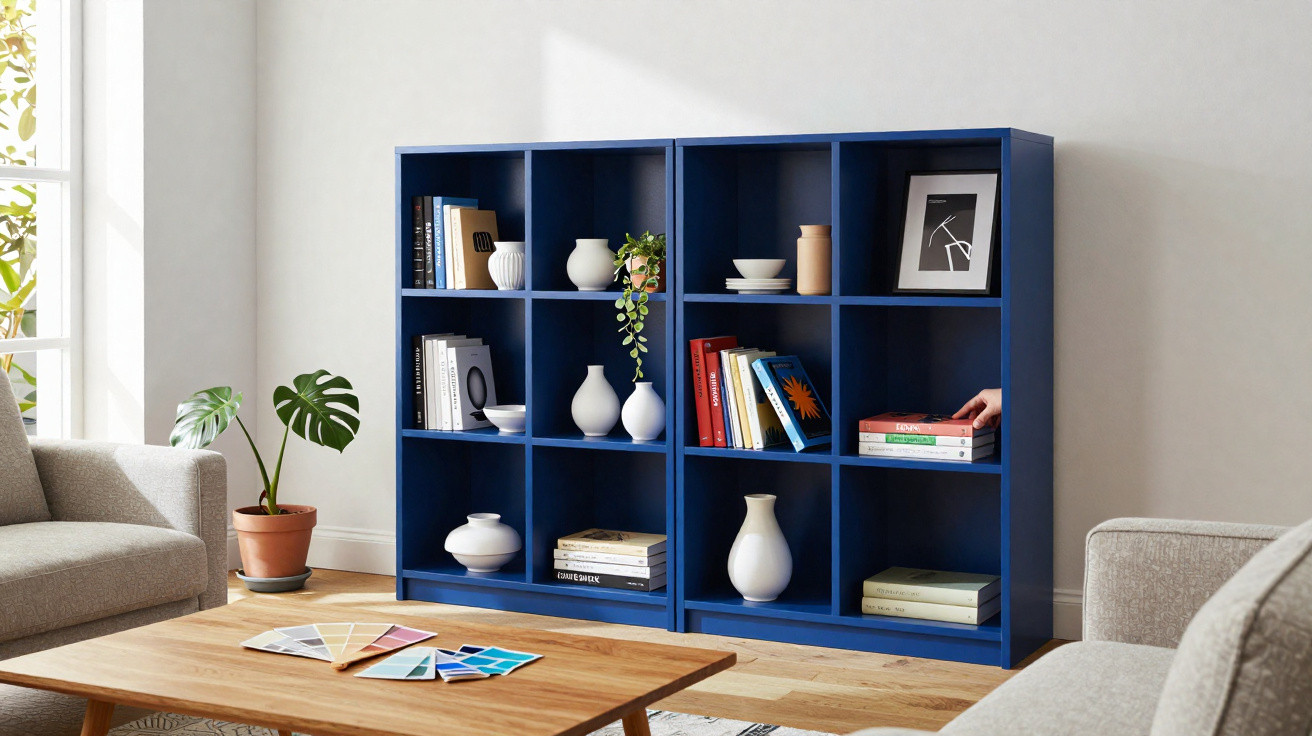
Paint should not be condemned entirely. There are types of furniture where a fresh finish does little harm because they have no historic, handcrafted or material value. Typical examples include basic chipboard shelving, MDF bedside tables or inexpensive desks with plastic laminate.
Being creative with these items can teach you a great deal without sacrificing anything valuable. The crucial point is an honest assessment: is it a replaceable mass-produced item, or could it have more history and substance than it first appears to?
Looking at the back, fittings and underside can help identify it. Old screws, hand-carved edges, genuine wood grain and uneven surfaces are signs that the paint tin should probably stay closed. Perfectly smooth, repeatable patterns, visible edge banding and lightweight hollow sections point to modern mass-produced furniture, where experimentation is acceptable.
Asking these questions before the first brushstroke protects not only your wallet, but can also preserve a piece of craftsmanship that will never be made in quite the same way again.









Comments
No comments yet. Be the first to comment!
Leave a Comment