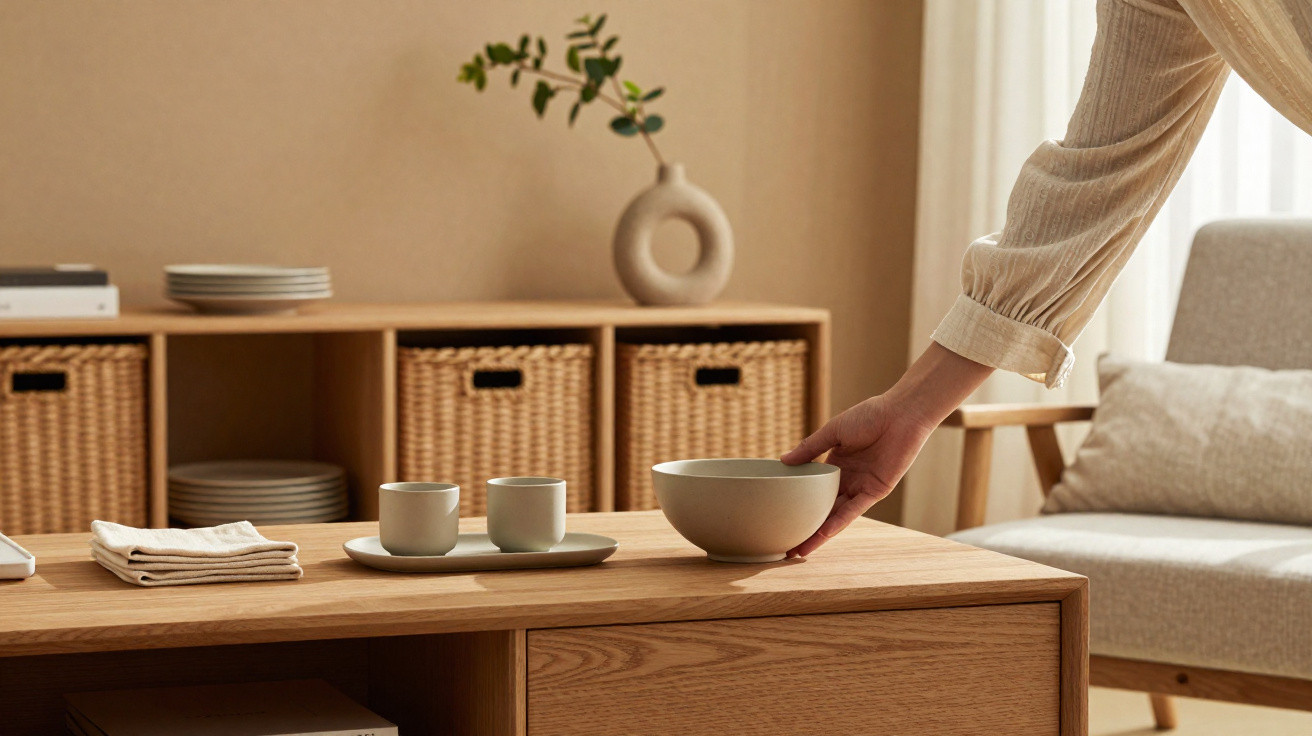
While everyday demands, appointments and a news overload rage outside, the home is increasingly becoming a place of retreat. Interior trends for 2025 respond to precisely this need: less pressure, more ease; less clutter, more sensory appeal. Japandi is the defining style direction, and SHEIN’s CIRELLE range follows the look with surprising consistency.
Why Japandi is everywhere right now
Japandi brings together Scandinavian simplicity and Japanese wabi-sabi aesthetics. It may sound like a design seminar, yet it feels decidedly down to earth in daily life: clean shapes, a small number of carefully chosen items, plenty of natural elements and nothing overly loud.
“At its heart, it is about rooms that can breathe – and people who can breathe with them.”
Rather than displaying ten dust-collecting ornaments, the emphasis falls on one or two high-quality objects. Wood, ceramic, linen and cotton are materials that can be both seen and felt. The CIRELLE collection picks up on this perfectly, with calm forms, matt finishes and light, warm shades, complemented by details that whisper rather than shout.
Function meets style: everyday objects as design features
In 2025, home accessories are expected to do more than look attractive: they should also serve a purpose. The era of purely decorative items is fading, replaced by stylish and practical companions for everyday life.
Bowls that do more than look good
Large, understated ceramic or stoneware bowls are typical of the trend. Positioned in the centre of a dining table or kitchen island, they are used deliberately:
- as fruit bowls filled with the vibrant colours of oranges, lemons and limes
- as a place for keys, sunglasses and headphones in the hallway
- as a display for dried flowers or a few branches collected on the latest walk
Pieces such as these from the CIRELLE range create a calm focal point without feeling sterile. Pairing a pared-back form with lively contents brings nature and everyday life to the table in one gesture.
Organisation without a rigid feel
Ceramic containers, storage tins and wooden trays make it easier to keep surfaces clear. Tidy surfaces automatically make a room seem larger and more restful. When these useful items look good as well, organisation becomes part of the style rather than a chore.
Wood as a calming element: natural details with impact
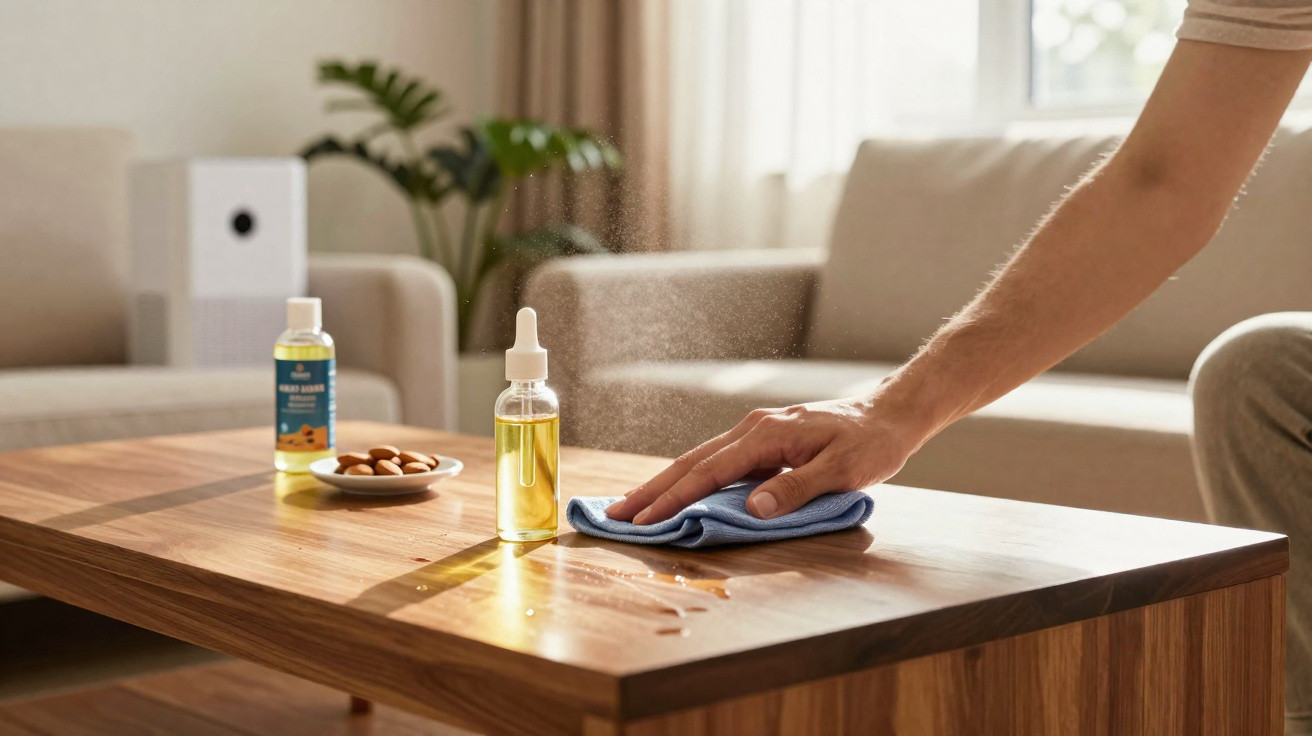
Wood is among the leading materials in interiors for 2025, particularly in warm honey-coloured tones. It brings the feeling of nature indoors without creating a rustic look.
In practical terms, this does not mean a wall unit from the 1990s, but rather small, purposeful touches:
- wooden frames for photographs or prints
- shallow trays for candles, vases or cups
- coasters and small plinths for plants
“Details like these link technology zones – laptops, televisions and chargers – with a warmer, more tactile layer.”
CIRELLE uses solid-wood elements that work particularly well alongside matt ceramic and soft fabrics. Anyone whose home has so far been decorated in a cool white style can use this approach to gradually introduce more warmth.
Ceramic calm: minimalist cups, major impact
Simple, organically shaped ceramic objects are another key part of the trend. Mugs and cups, in particular, take centre stage. That is because interiors in 2025 are designed around daily routines: the coffee break, a cup of tea in the evening and a brief pause during the day.
Typical characteristics of Japandi ceramics include:
| Feature | Effect in the room |
|---|---|
| rounded, soft shapes | softens the severity of crisp lines and edges |
| matt, neutral shades (beige, cream, white) | creates calm and suits almost any interior |
| visible texture and slight irregularities | makes objects appear handmade and full of life |
Whether consciously or not, holding a favourite ceramic piece in the morning changes the start of the day. The CIRELLE range is designed around exactly this feeling: small rituals that lower the pulse.
Linen, cotton and more: fabrics that breathe
For textiles, 2025 puts the focus on materials that feel natural, breathable and pleasant to the touch. Linen and cotton therefore form the basis of a modern home.
Bedroom: less synthetic fibre, more calm
Linen bedding has a lightly crumpled appearance, and that is precisely part of its charm. It regulates temperature effectively and does not feel stuffy even at the height of summer. Cotton sits more softly against the body and provides warmth on cooler evenings.
Suitable additions include:
- lightweight cotton-blend throws for the sofa
- cushion covers in muted natural tones
- linen tablecloths in the dining area instead of shiny synthetic fabrics
“The common thread is fabrics that people enjoy touching and that do not ‘shout’ at the skin.”
For anyone updating their home step by step, textiles are a sensible place to begin. They are quick to replace and immediately alter the atmosphere of a room.
Mocha mousse: the shade appearing everywhere in 2025
When it comes to colour, much of 2025 is centred on so-called earth tones. One shade stands out in particular: mocha mousse, named Colour of the Year by the Pantone Institute.
Mocha mousse resembles a deep, creamy beige with a hint of coffee. It is neither too brown nor too grey, working instead as a warm backdrop that gives other elements space.
Where mocha mousse works best
- on living-room or bedroom walls as a calming foundation
- on cushions, throws and curtains as a unifying element
- on ceramic bowls, vases or cups for a tonal look
Its combination with other colours is especially interesting. It works well with:
- off-whites and soft greys for an especially quiet scheme
- olive-green accents introduced through plants or textiles
- individual deep-blue elements, such as a vase or picture
Soy candles in mocha mousse are also on trend. Made in ribbed shapes or geometric blocks, they sit on simple wooden trays and introduce a subtly artistic accent.
CIRELLE by SHEIN: an everyday style philosophy
The idea behind the CIRELLE brand is to design everyday objects so that they feel like a small ritual. It is not a luxury collection that works only in photographs, but a range of items intended to be used.
“The guiding question is: how can an entirely ordinary Tuesday evening feel a little more like ‘coming home’?”
This is reflected in its product selection: restrained wooden details, ceramics without loud patterns and textiles that can be used without hesitation every day. Everything is intended to make a home feel clearer, warmer and more personal, without requiring all the furniture to be replaced.
How to introduce Japandi into your home in small steps
Anyone who does not want to buy everything new at once can take a gradual approach. Three areas are particularly suited to a gentle introduction:
- Kitchen and dining table: a large ceramic or wooden tray, a new bowl, a set of simple cups and a linen runner.
- Living room: one or two cushions in earth tones, a cotton throw, a wooden plinth for a plant and a soy candle in mocha mousse.
- Bedroom: linen or cotton bedding, a subtle shift towards beige-brown on one wall and a wooden frame with a calm image.
It is important to reduce items consciously. One favourite piece that brings genuine pleasure is better than five compromises. Limiting the colour palette to a maximum of three base shades, plus only a few accents, soon makes the atmosphere of a room feel calmer.
What Japandi living does for wellbeing and everyday life
This trend is more than an Instagram aesthetic. Studies in environmental psychology and architecture have shown for years that people relax more effectively in spaces with natural materials, organised structures and a clear yet non-sterile design language.
Less sensory overload at home eases the burden on the brain, including a reduction in stress levels. This is especially beneficial for people who spend a lot of time working from home, as the line between work and the end of the day is blurred anyway. Conscious rituals – using a particular cup for a break, lighting a candle or folding a throw – help to mark boundaries again.
The CIRELLE range responds to this need by offering building blocks for exactly this kind of daily life: not a radical redesign, but many small ways to make the home a little calmer, warmer and more functional. In the end, that is what matters: rooms that do not have to look perfect, but where people can truly let go.









Comments
No comments yet. Be the first to comment!
Leave a Comment