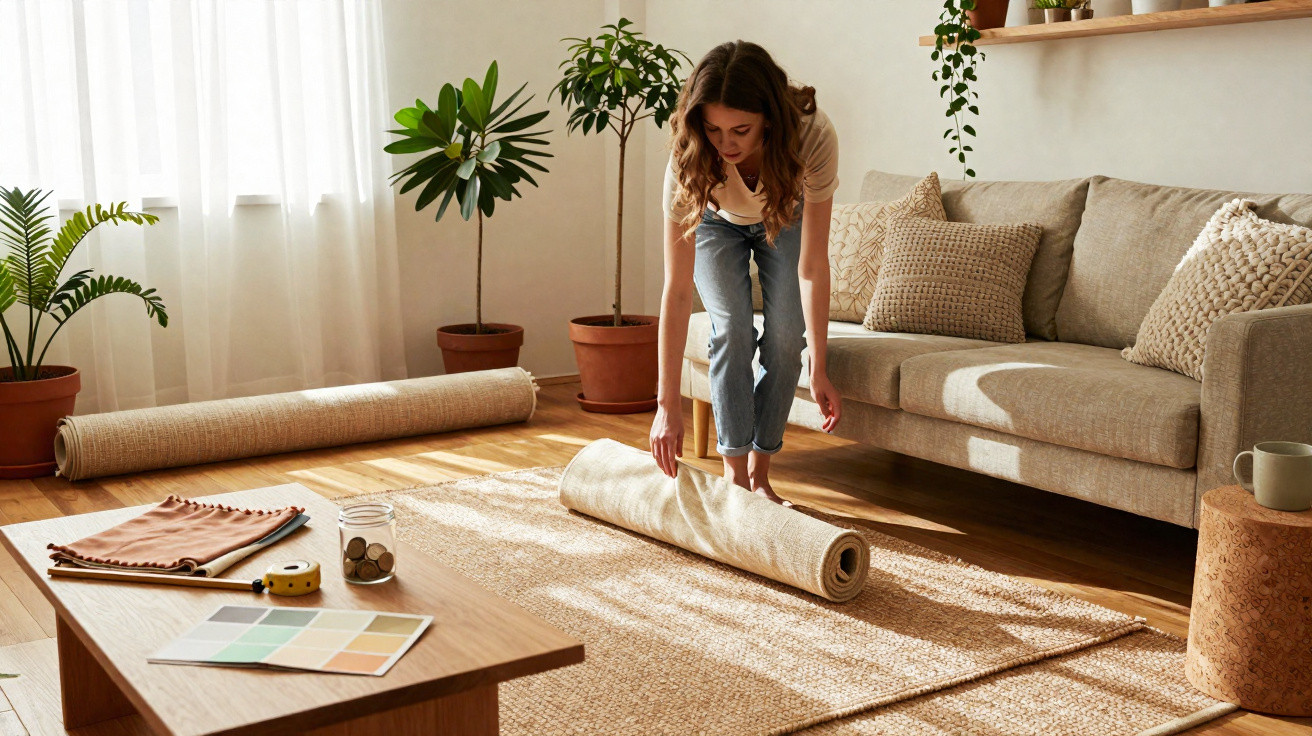
A living room renovation is set to take a new direction with the arrival of innovative, sustainable ideas. Replacing dated features with natural materials can turn the space into a welcoming retreat, ideal for those seeking practicality without undertaking major renovations.
How have traditional rugs given way to practicality?
Heavy, shaggy rugs no longer suit modern homes because of the effort required to maintain them every day. Homeowners now favour more hygienic surfaces that make routine cleaning easier, opting for lightweight, durable solutions that prevent dust build-up.
Exchanging shaggy finishes for flat alternatives can greatly improve the comfort and health of everyone at home. Rustic textiles are therefore taking centre stage, combining visual appeal with practicality and completely changing the look of a room without requiring substantial financial outlay or structural alterations.
Among the leading eco-friendly choices for furnishing the room are five unmissable options:
- Jute rug: Adds a rustic character and exceptional durability to the living room floor.
- Wooden details: Raw elements bring the room closer to a biophilic approach.
- Cotton fibre: Provides softness and is exceptionally easy to wash at home.
- Earthy tones: Shades such as chocolate visually warm the entire space.
- Sentimental design: Blends older pieces with contemporary modernity.
What are the leading interior design trends for 2026?
The desire for comfort is steering contemporary projects towards choices that are more emotional and more closely connected to genuine nature. Homes designed to look like showrooms are becoming less relevant, making way for interiors that tell authentic personal stories through inherited vintage objects and textures that awaken sensory stimulation.
Handcrafted features are gaining particular prominence, bringing individuality and sophistication to rooms without demanding excessive spending from homeowners. The strategic use of deep hues also creates inviting settings, moving away from the coldness of traditional greys to establish spaces centred on visual comfort.
To see in detail how these innovative ideas can be introduced into your home, watch the explanatory video on the PLANARQ CAMPOS / Ralph Dias YouTube channel:
How does biophilic design reconnect the home with nature?
Bringing natural greenery into interior spaces goes far beyond appearance, as it can directly support mental health. Generous windows and abundant lighting maximise incoming daylight, dramatically reducing the everyday stress levels of urban residents.
Natural Connection
Healthy Environments
The presence of organic textures and carefully selected plants can transform any ordinary living room into a genuine haven of everyday tranquillity.
Prioritising suitable cross-ventilation and pure materials reduces mental fatigue, bringing daily life closer to perfect balance.
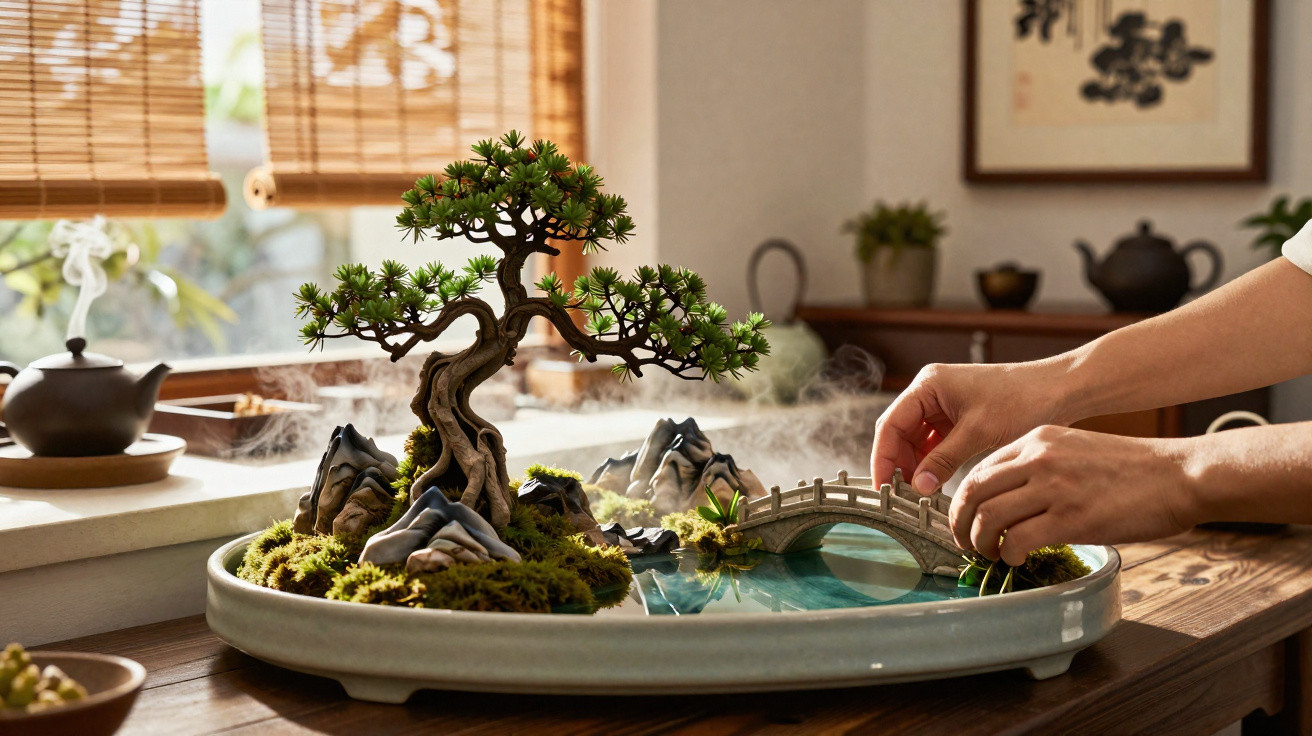
Organic shapes and furniture with rounded lines soften the hard corners of traditional buildings, creating highly pleasing visual transitions. This trend revives the purity of natural forms, forging a deep and ongoing connection between interior architecture and the environment.
To introduce biophilia simply, use the following natural materials:
- Mid-toned woods to bring warmth and timeless sophistication.
- Natural sisal or cotton fibres instead of old rugs.
- Pure linen curtains that allow daylight to enter softly.
Why does focusing on textures stimulate the senses in everyday life?
Sensory design offers a different living experience by favouring rustic surfaces that invite genuine touch. Welcoming fabrics such as bouclé and soft velvet cover sofas and armchairs, replacing cold synthetic materials to deliver maximum physical comfort.
Expressive finishes, including exotic natural stone and textured reeded glass, disrupt the monotony of conventional plain walls. This rich material variety significantly enhances a room’s acoustic comfort, reducing unpleasant echoes and encouraging the relaxed atmosphere of a slower-paced home.
The main sensory elements recommended for transforming your room are:
- Warm indirect lighting to prevent eye strain.
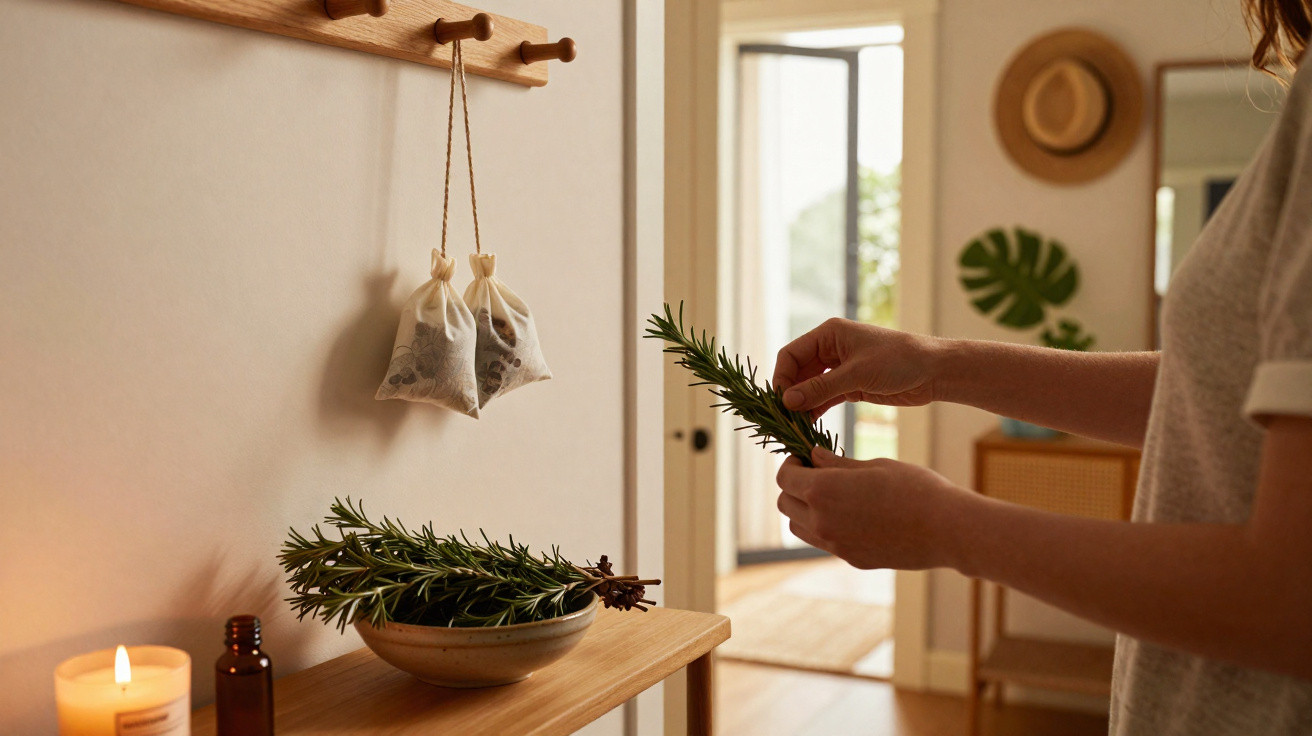
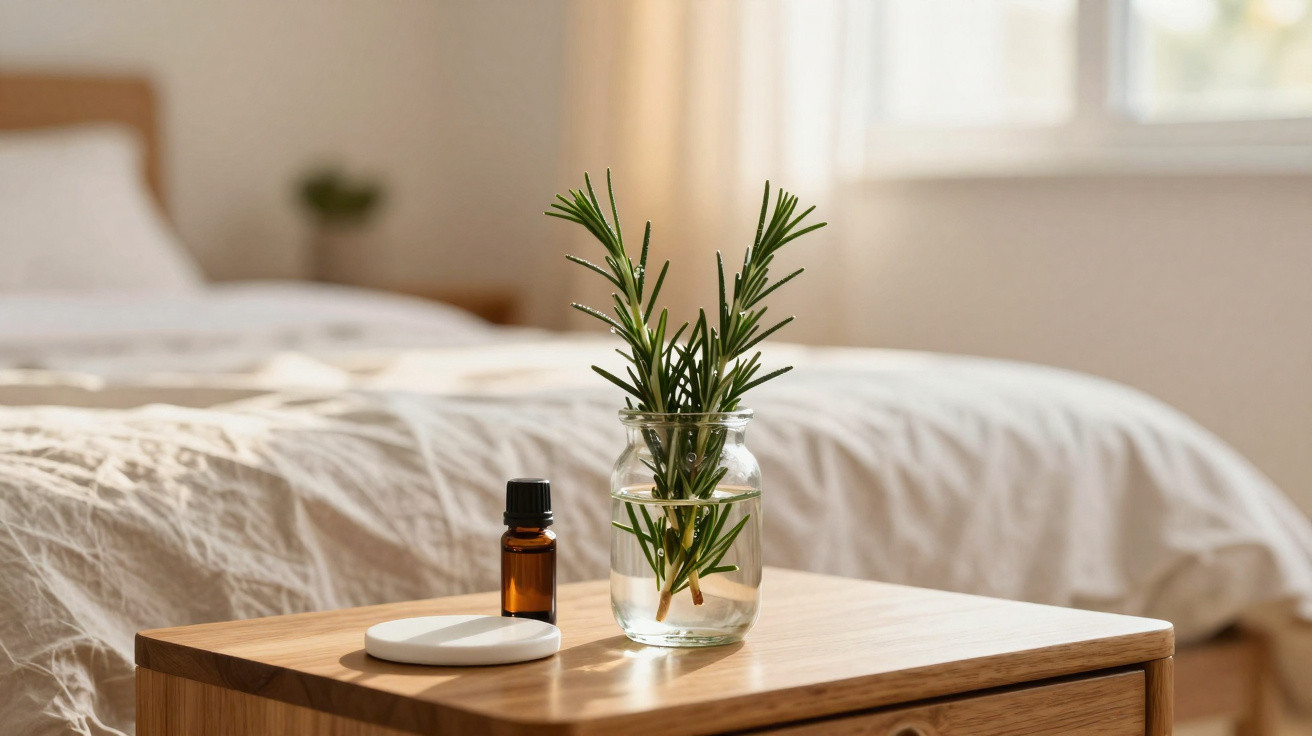
- Delicate fragrances that stimulate the sense of smell and provide immediate relaxation.
- Unvarnished raw wood that highlights a pure tactile sensation.
How can you refresh the room without exceeding the household budget?
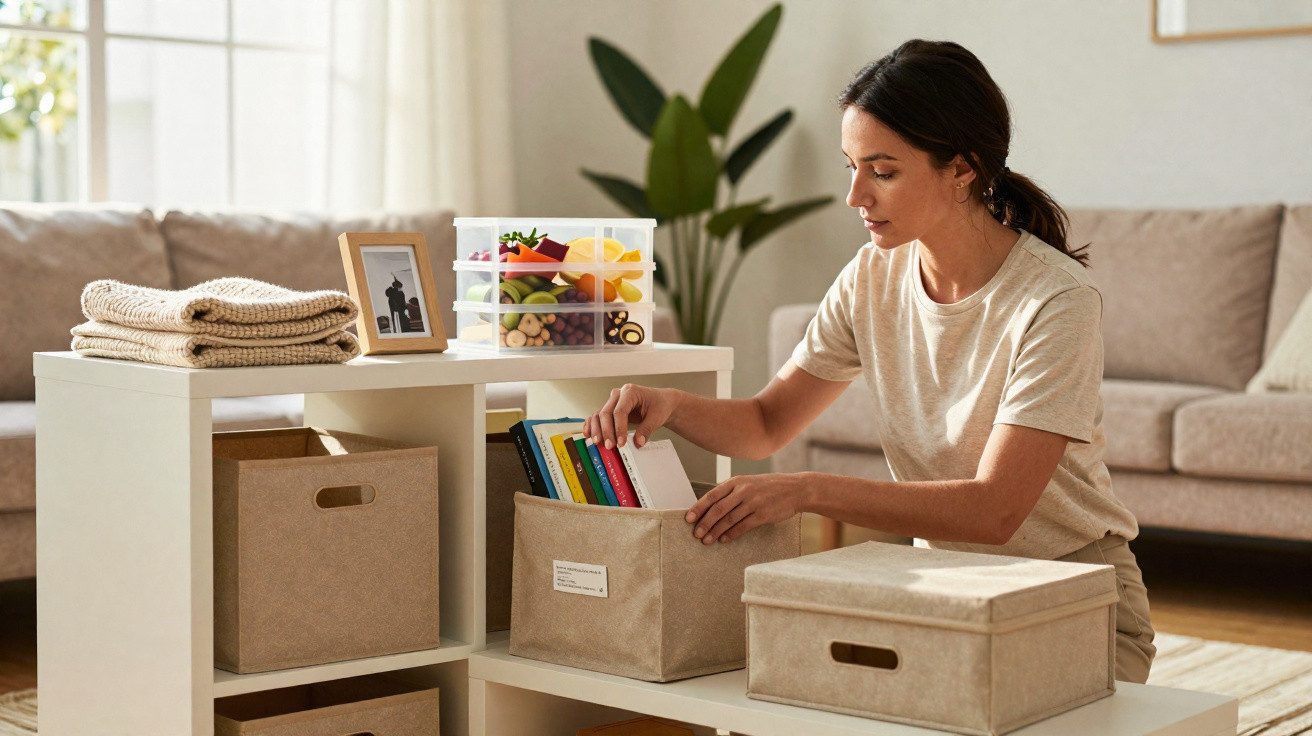
Keeping the structural base of the space neutral and light makes future decorative updates easier without creating high costs. Soft-toned walls and floors act as ideal blank canvases, allowing new aesthetic features to be introduced only through small details.
Investing in smaller, replaceable items, such as artwork and cushions, removes the need to replace the main fitted joinery. This cost-effective approach keeps home décor dynamic and clearly shows that reinventing the look of your modern living room does not require excessive spending.



Comments
No comments yet. Be the first to comment!
Leave a Comment