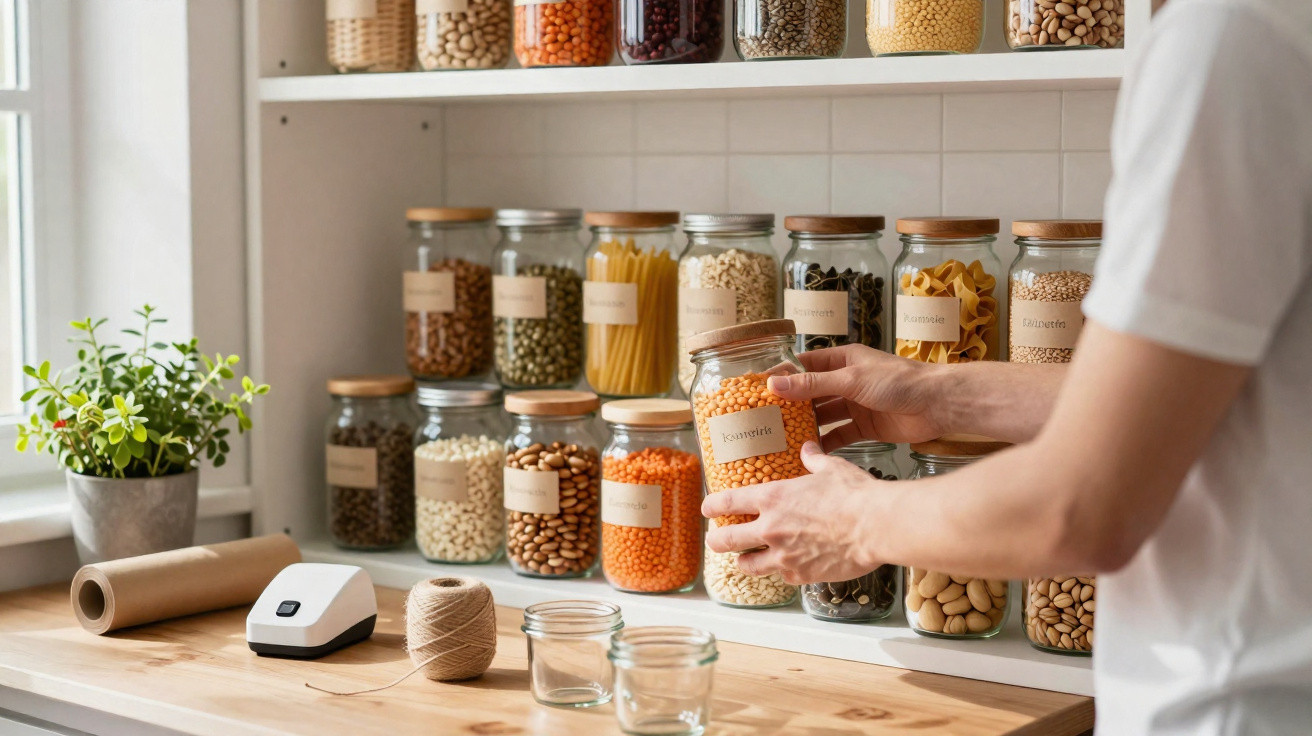
A tidy kitchen can transform anyone’s household routine. Removing the visual clutter created by opened packets brings a greater sense of calm to the room. Reusing containers is an elegant and highly economical way to sort dry goods.
How can glass jars become elegant organisers?
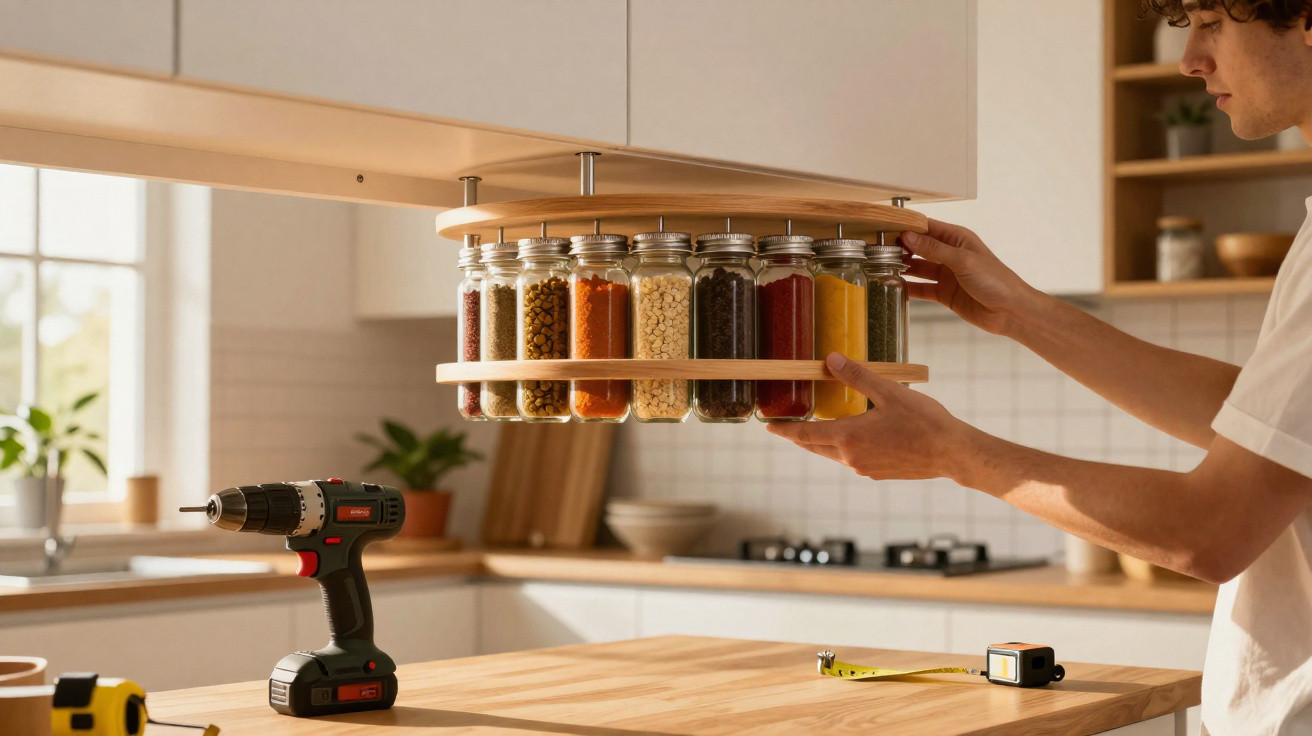
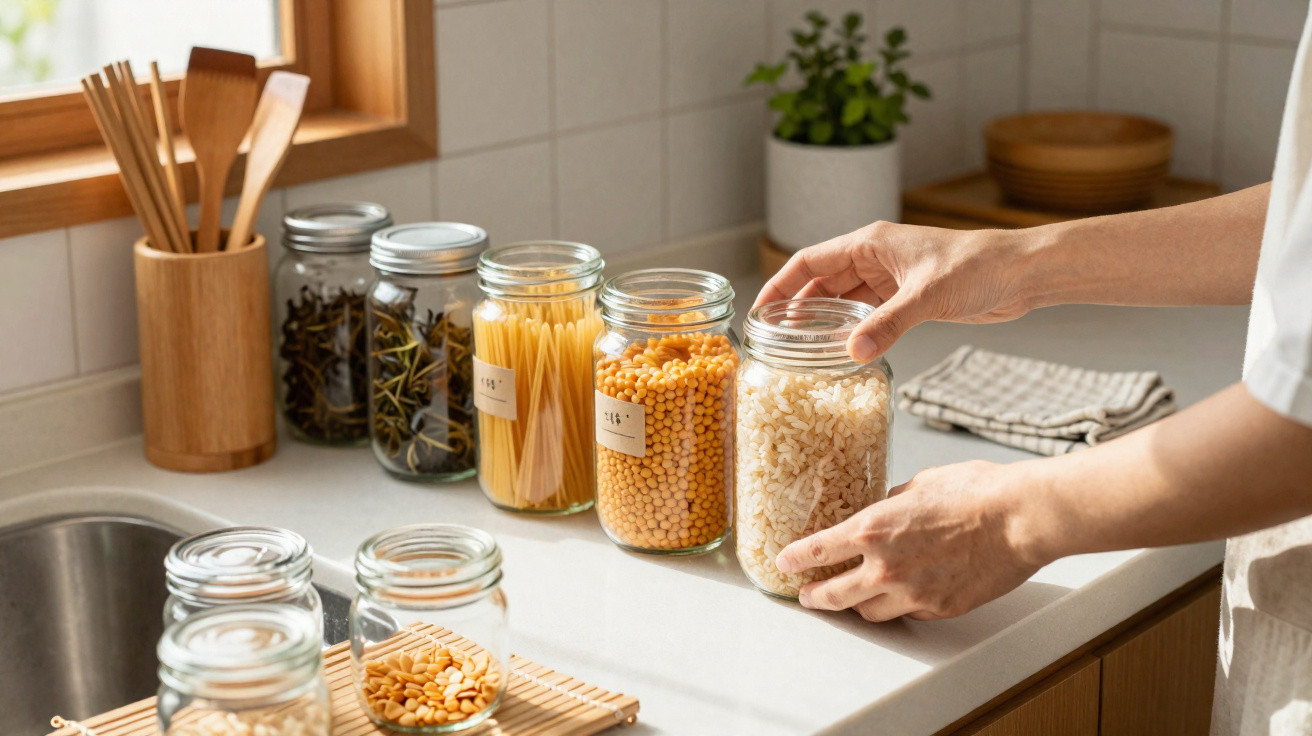
Storing everyday seasonings calls for containers that are practical and easy to handle. Old preserving jars tucked away in a cupboard can be given a wonderful new purpose. Once properly sanitised and matched, they become attractive decorative kitchen containers.
Using visual elements associated with minimalism enhances your pantry. Applying protective film to the outer surfaces helps the pieces last longer. The key is to use contemporary details effectively to completely refresh the appearance of the jars.
What do Chilean artisans do with empty glass jars?
They use impressive craft techniques to turn ordinary jars into fantastic practical items for decorating and organising… Read more
Why bring Swedish style into your kitchen?
Scandinavian design values maximum functionality alongside the aesthetic beauty found in the simplest objects. Kitchens arranged with this approach make intelligent and elegant use of every available centimetre. The trend favours clean lines and pleasing neutral colours.
Bringing this Swedish inspiration into the home makes cupboards look cleaner and become more practical. Standardising the jars makes it easier to identify ingredients quickly while preparing everyday meals. The room takes on a completely refreshed clean look.
Below is a video from the Fazendo Arte Atelier YouTube channel that explores the points discussed in this topic in greater depth:
What materials are needed for this upcycling project?
This sustainable decorative transformation requires only a few extra items that are easy to find locally. The first priority is to thoroughly clean every surface and remove all original factory labels. Clean jars are essential for ensuring good adhesion later on.
Customising the tops of the jars makes all the difference to the finished result of this craft project. Matt-coloured paints or simple decorative additions work perfectly with the desired Scandinavian aesthetic. Well-made labels complete the process, creating flawless visual organisation.
Essential Upcycling Kit
Essential items for the project
Gather these components before starting to revamp your glass jars:
- Fully sanitised and completely dry glass jars;
- Minimalist labels with clear identification;
- Paints or decorative additions for customised lids.
How can you keep the pantry organised for longer?
Maintaining order in the kitchen requires discipline and simple habits built into your daily routine. Keeping each dry good in its own jar prevents an unnecessary build-up of opened plastic bags. This practice keeps food fresh for longer.
Dividing shelves into categories makes it much easier to find what you need straight away. Keeping the most frequently used grains within easy reach speeds up daily cooking tasks. Regular checks prevent products from being forgotten in dark corners.
Consider following these practical guidelines to improve the arrangement of your dry goods:
- Keep smaller seasoning jars together;
- Separate cereals from the main flours;
- Always position minimalist labels facing forwards.
What are the environmental benefits of reusing preserving jars?
Practising upcycling considerably reduces the amount of waste discarded into the environment each day. Giving jars a new purpose avoids extra spending on costly industrial plastic organisers. This conscious choice supports a far more sustainable and balanced lifestyle.
Small actions taken at home can create highly significant positive global effects over time. Reducing the excessive consumption of new products strengthens the circular economy in an intelligent way. Turning empty packaging into attractive solutions brings genuine creativity into the home.




Comments
No comments yet. Be the first to comment!
Leave a Comment