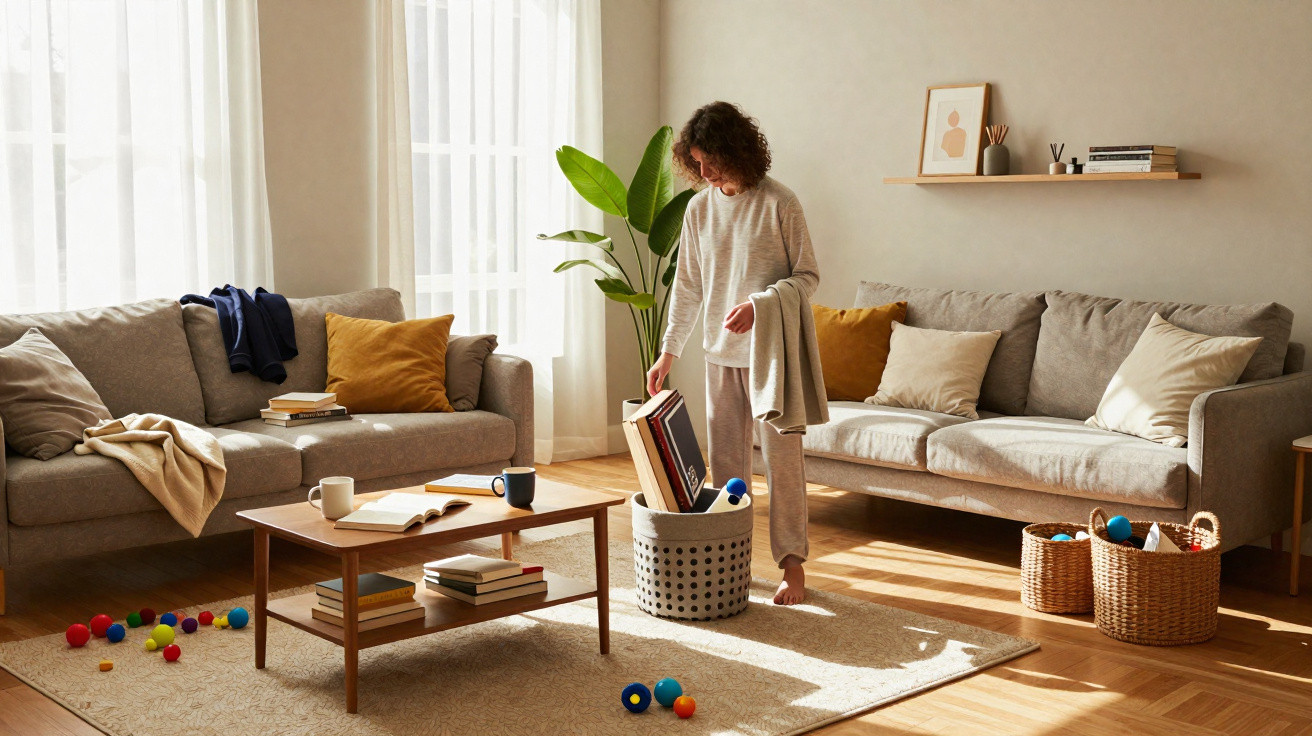
The sofa is unchanged, the rug is still there, and the small plant is doing its best in the corner. But somehow the entire room seems to have contracted overnight. No walls have shifted and no furniture has been added, yet everyone says the same thing: “It feels smaller in here.”
Then the reason becomes obvious. Parcels are piled on a chair “just for today”. Three coats hang from the door. A laundry basket is sitting there “only until tonight”. The table is partly taken over by work items that belong elsewhere. Individually, none of these things seems alarming. Together, they take the room away from you. One everyday habit causes most of the problem, and it is easy to miss.
The daily habit that quietly makes rooms feel smaller
Your sofa or television is not the real thief of space. The culprit is the habit of leaving belongings out “just for now”. Bags land by the front door, folded washing stays on the armchair, and yesterday’s mug starts a new life on a shelf. It is not dramatic clutter, merely a slow accumulation of harmless-looking items that never quite return to where they belong.
Our brains treat every object left in sight as an extra piece of “visual noise”. You might call it “organised chaos”, but your eyes still need to notice it, process it and navigate around it. The room’s actual dimensions remain the same, but the amount of space you feel able to use gets smaller. That is the problem: the behaviour is so routine that you often stop noticing it.
Picture walking into a friend’s flat at 8 pm on a weekday. A laptop is half-open on the table, a gym bag has been left beside the sofa, and three pairs of shoes edge into the hallway. It does not resemble hoarding; it simply looks like everyday life. Even so, anyone entering must work out a route through a gentle obstacle course.
A survey from the National Association of Productivity & Organizing Professionals found that more than half of respondents feel “regularly overwhelmed” by clutter at home. This is not necessarily extreme mess, but ordinary daily accumulation. The sense of being squeezed out of your own rooms seldom comes from one oversized piece of furniture. More often, it results from dozens of small, seemingly innocent pauses that gradually become permanent.
Psychologists use the term “cognitive load” for the mental effort required to process the information around you. Each item left out is like another open tab in your mind. A bedside table with one book feels peaceful. Add chargers, creams, receipts and three partly read novels, and that same table suddenly appears cramped. Your brain focuses on disorder rather than the room’s dimensions.
When surfaces are crowded, walls can appear nearer and ceilings lower. You begin moving in a different way: turning around objects, stepping carefully and never fully stretching out. That behaviour reinforces the feeling that the room is small, even when it has generous square metres. The room has not altered; your everyday “just for now” habit has changed how you experience it.
The 10-minute “reset line” that restores space to your rooms
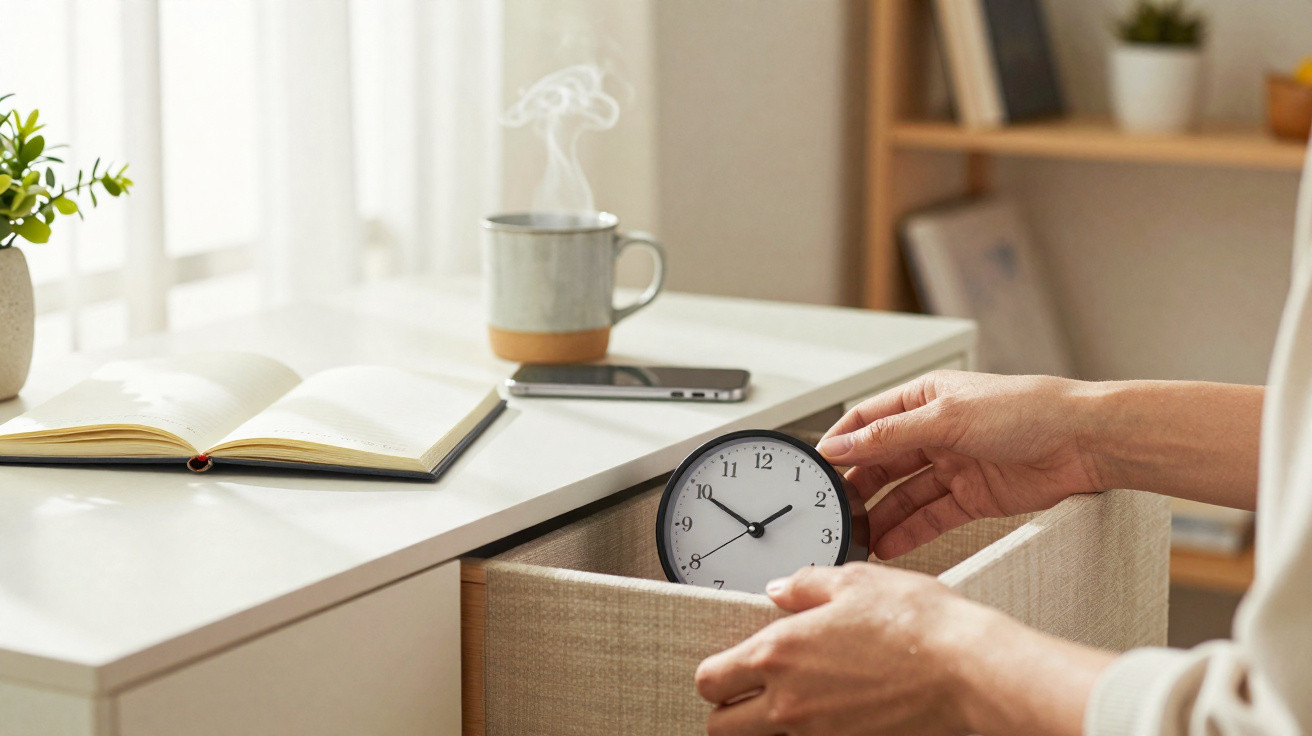
There is an easy way to counter this shrinking effect, and it does not mean getting rid of half your possessions. Choose one distinct “reset line” in the room: the sofa, dining table, bed or sideboard. Once each day, restore that line to its “empty” state. No laptop, bags, washing or temporary stacks. Leave it as it appears in your favourite property listing photographs.
It takes less time than watching two Reels. You are not trying to declutter your entire life; you are reclaiming one visual anchor that tells your brain: “This room is spacious.” When that anchor is clear, the remaining mess seems easier to handle. Your eyes encounter calm first, and the room can suddenly feel more open, like air returning to a compressed balloon.
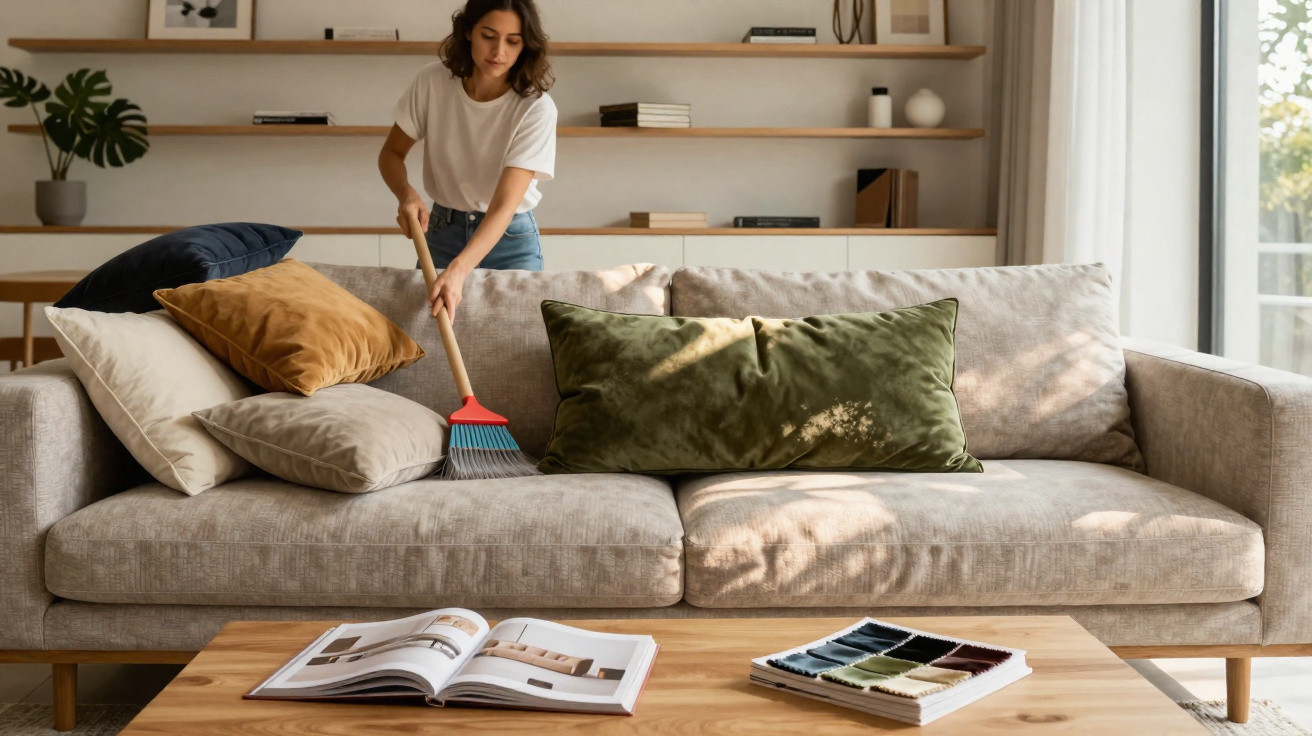
Choose the reset line that receives the most abuse. If your sofa is usually covered with clothes and cushions, make it your daily reset point. If the dining table has become a co-working station, begin there. The aim is not perfection; it is relief. One visible area that is reliably clear can stop the whole room slipping into that cramped, low-ceiling sensation.
Be kind to yourself. On a difficult day, your reset may only involve piling papers together rather than leaving them spread out, or collecting random items in one tray. On a better day, you may return everything to its proper place. Let’s be honest: nobody really does that every day. That is all right. The value lies in recognising when a room is beginning to feel tighter.
After missing your reset line for three or four evenings in succession, you can feel the difference. The room begins to hum with visual activity. Chairs gather clothes “just for tonight”, while one or two items appear on the floor. The deceptive part is that it does not look disastrous, so you do not respond. Instead, you feel oddly tense in a space that should help you unwind.
“Whenever a client tells me their living room feels ‘too small’, I don’t measure the walls first,” says interior stylist Anna Clark. “I look at what’s permanently left out. Coffee tables, chairs and door handles tell me much more about how big a room feels than the actual floor plan.”
There is a helpful way to approach this that has nothing to do with being perfect or exceptionally tidy. Think of yourself as the set designer for your own life. What would you like to see when you enter the room at 7 pm, exhausted, with your shoes half-off and your brain cooked from the day?
- Choose one “always clear” surface in every room, such as a sofa, bed or table.
- Give every “regular drifter” - bags, keys, post and headphones - a simple, unexciting home.
- Create a small daily time limit of 5–10 minutes, with your phone in another room.
Once these three actions become routine, your home starts to function differently. You stop leaving washing on chairs “for five minutes” when it actually stays there for three days. You begin to notice when a door will not open fully or when a chair is only half usable. That awareness alone shifts how the room feels, almost as though the walls have quietly moved back.
Living in larger-feeling rooms without moving house
On a grey Tuesday, in a flat that has not gained a single centimetre, you may suddenly find yourself breathing more deeply. Nothing magical has taken place. You have simply interrupted the daily habit of scattering your life across every available surface. The room can hold your presence again instead of competing with it.
On an emotional level, a clearer room can also make conversations within it gentler. There is less stumbling over bags, fewer arguments about “whose stuff is this?”, and more room simply to flop down. On a Sunday morning, sunshine on an almost empty table can feel like a modest luxury. On a Thursday night, finding the sofa ready for you rather than covered in belongings may be the difference between another hour of doomscrolling and genuine rest.
We have all entered someone else’s home and wondered: “Why does this feel so calm?” It is seldom because of expensive furnishings or huge windows. It is about how lightly objects occupy the room. You can create that feeling without purchasing anything at all, simply by changing how long your belongings remain outside their designated homes.
The question becomes less “How big is my home?” and more “How heavily do I make it carry my day?” The everyday habit that makes rooms feel smaller is merely forgotten belongings left hanging around. The daily decision that makes them feel bigger is equally modest: give the room one clear sightline, one peaceful surface and one place for your eyes to rest. The walls will seem to have moved, although they have not.
| Key point | Details | Why it matters to readers |
|---|---|---|
| Identify your “clutter hotspot” | Walk around your home and identify the first surface that gathers miscellaneous items each day, often the dining table, hallway console or sofa arm. This is your priority area. | Concentrating on one genuine hotspot delivers quicker visible results than attempting to “declutter the whole house”, which often ends in giving up. |
| Use a daily 10-minute reset | Set a timer for the same time every evening and clear only that hotspot: return belongings to their homes or, at the very least, gather them into one basket or tray. | A brief, predictable reset becomes an easy ritual, reducing visual noise and making the room feel more open at the end of the day. |
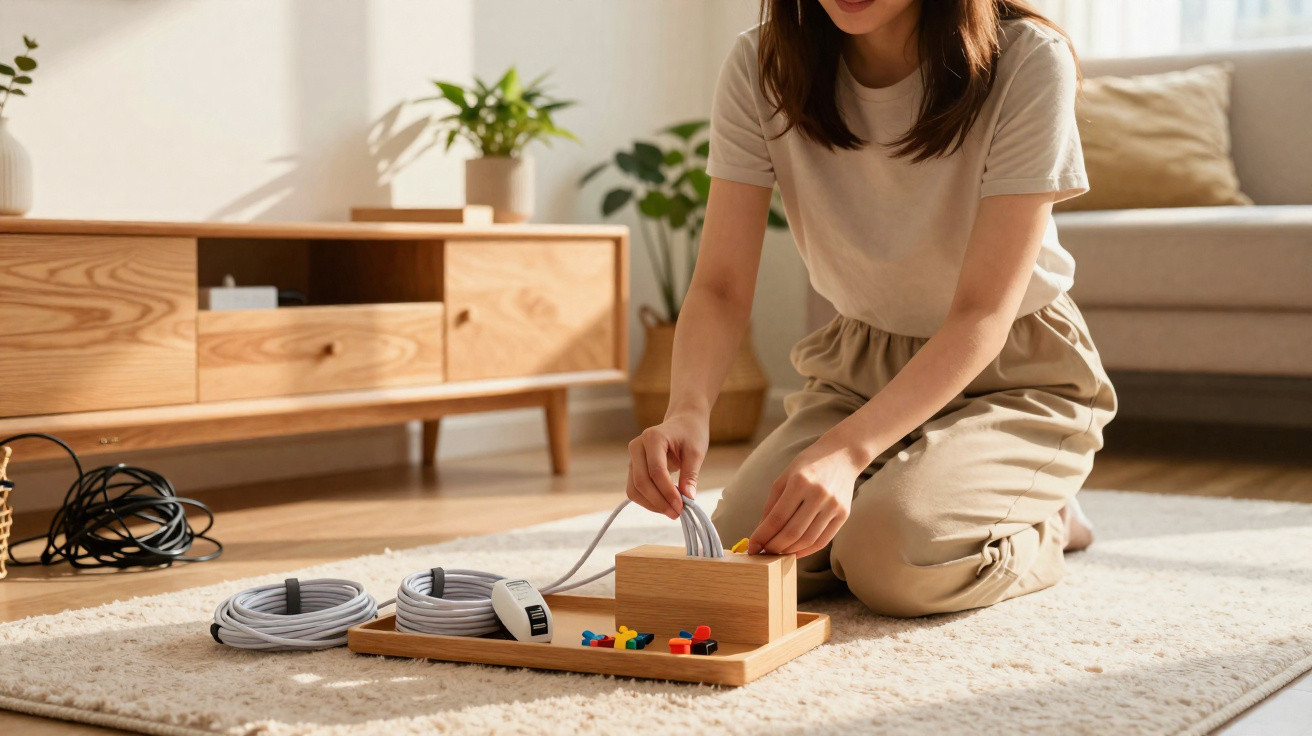
| Create simple “homes” for drifting items | Put a hook near the door for bags, a small bowl for keys, a letter rack for post, and a basket for chargers and cables close to where you use them. | When everyday belongings have clear, nearby places to land, they are much less likely to spread across chairs and tables and make rooms feel cramped. |



Comments
No comments yet. Be the first to comment!
Leave a Comment