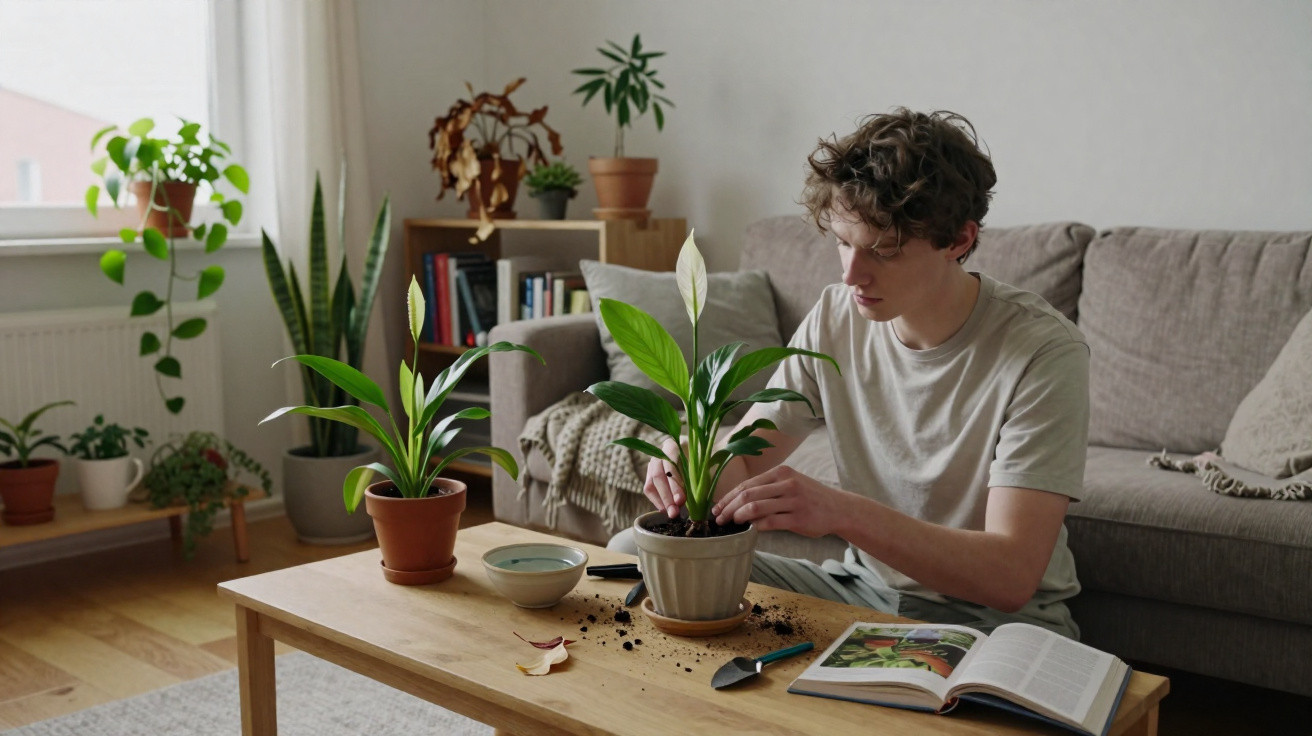
That familiar little pang of guilt hits when you pass the plant corner and notice that every pot looks ready to feature in a desert documentary.
There are crisp leaves, sagging stems and one valiant survivor hanging on in a chipped Ikea pot. Perhaps you have even promised yourself you will not buy another plant - “I just kill everything, I’m clearly not meant to have plants” - only to spot a flourishing monstera in a shop window and feel your determination disappear. A little greenery at home can feel like evidence of being an adult, or at least evidence that you have kept something alive besides your sourdough starter.
Here is the low-key truth that plant lovers do not always share: most of us began as repeat plant killers. Some of us still are, only with marginally better light. The gap between you and the person sharing their Instagram jungle-flat is seldom a “natural gift”. More often, it comes down to a few simple routines, a handful of mistakes honestly put right and a willingness to have another go with the next forlorn supermarket basil. That is when the story becomes genuinely interesting.
The day I learnt the fern was the problem, not me
For years, I was convinced I was cursed. I would take home an appealing supermarket fern, place it on a bookshelf, water it whenever I happened to remember, then watch it gradually turn crisp from the edges inwards. The same miserable pattern happened with succulents, peace lilies and even a cactus that somehow rotted after being “watered with love”. Every plant died, so the answer seemed clear: I simply was not a plant person.
The change came while I was living in a tiny flat with dreadful north-facing windows and one surviving plant: a pothos in a cheap plastic pot that I had largely forgotten existed. I did not fuss over it, so I did not waterlog it every three days either. One morning, I spotted a new leaf: a shiny, fresh green curl unfolding as though it had always known exactly what to do. That absurd burst of pride over a single leaf made me see that I had blamed myself without ever finding out what my plants needed.
Once you move from “I’m terrible at this” to “maybe I just had the wrong plant, in the wrong place, getting the wrong treatment”, the hobby becomes gentler. It no longer feels like an exam you continually fail; instead, it is a quiet exchange with something unable to speak but entirely capable of sulking. In the end, care is simply learning to recognise that sulk a little sooner.
Light: the overlooked thing people most often misjudge
Most plant disasters begin with light. We see a beautiful plant online, look at our own lounge and assume the two are compatible. The plant then ends up in a dark corner that receives one strip of winter sunshine at 3 pm and promptly gives up. Plants depend on light as we depend on food; you could give them every expensive fertiliser going, but if the light is unsuitable, it is effectively a long, slow farewell.
Assess your home from a plant’s perspective. Which windows are truly bright enough to read beside at midday without switching on a lamp? Where does sunlight actually travel - not where you imagine it does, but where it falls on an ordinary Tuesday at 11 am? In the UK, south- and west-facing windows generally provide the strongest light, east-facing windows offer soft morning sun, and north-facing windows… well, that is where ferns perish while pothos carries on without complaint.
Choose houseplants for the window, not the window for the plant
Once you understand the light in your home, your approach changes. You no longer force plants into gloomy corners simply because they would look good on a Pinterest board. Instead, you think: “Right, this window gets decent light, so it can probably handle a monstera or a rubber plant,” or “This is the darkest room in the flat, so it’s a job for a snake plant or ZZ plant, not the delicate fiddle-leaf fig that hates me already.” There is something quietly empowering about making that match.
If you have a history of killing plants, this is your first major shortcut: shop according to your light, not just your taste. The large, glossy statement plants in lifestyle photographs are often positioned centimetres from an enormous window. Your bathroom with frosted glass and no radiator is where the difficult-to-kill group belongs, rather than your tropical rainforest ambitions. You can certainly create a jungle - it simply needs to be one capable of surviving in your postcode.
Watering: the untidy reality behind “once a week”
We have all panic-watered three plants at once after suddenly remembering they are there. Feeling guilty, we then overdo it slightly to “make up for it”. That is how limp, yellow leaves appear and gnats start throwing a house party in the compost. The harsh irony is that most houseplants die from kindness rather than neglect.
Honestly, hardly anyone does this daily - by which I mean carefully misting, testing compost with a moisture meter and recording watering dates in a colour-coded spreadsheet. People whose plants flourish tend to do something far more relaxed and realistic: they put a finger into the compost and do not water while it remains damp. That is all. No calendar app or full-moon ritual required.
The finger test and bottom-watering method
The finger test is precisely what its name suggests. Push a finger into the compost to around the first knuckle. When it feels dry, your plant likely needs a drink. If it is still cool or a little moist, leave it alone and look again after a couple of days. Some plants prefer more drying time between drinks, including succulents and snake plants, while others, such as peace lilies and ferns, prefer more consistent moisture. None of them, however, enjoy sitting forever in a waterlogged swamp.
For enthusiastic over-waterers, bottom-watering is an excellent solution. Put a little water in a bowl or sink, stand the pot in it for 15–30 minutes, then remove it and allow the excess to drain. The plant takes up what it requires from underneath, rather than relying on you to pour water over the surface and hope for the best. Watching the top layer of compost darken as water gradually rises is unexpectedly satisfying.
And if you forget for a week? Most resilient plants will not immediately lodge a complaint. They may droop, sulk or curl one or two leaves, but they forgive far more readily than social media might suggest.
Compost, pots and the tragic plant in a beautiful ceramic coffin
There is always one plant that dies looking fantastic because it was placed directly into a lovely pot without a drainage hole. It is like moving into a designer flat with no doors: impressive in photographs, but not especially functional over time. Roots need air as much as water, and when excess water has nowhere to go, the roots sit in it and slowly rot.
The easiest answer is extremely unglamorous: leave plants in their plastic nursery pots, then place those inside attractive decorative containers. You can then lift them out for watering, let them drain in the sink and return them to their attractive outer pot once they have stopped dripping. It also makes it far easier to inspect the roots when something begins to go wrong.
Repotting without the fuss
Repotting has somehow gained a reputation as a high-pressure procedure needing a PhD in horticulture. Usually, it only means giving a plant slightly more room for its roots. If roots are circling the compost surface, emerging through drainage holes or if the plant dries out a day after watering, it is likely time to go up one pot size, not three. Choosing a much larger pot too quickly leaves small roots surrounded by cold, wet compost - essentially an invitation to rot.
Standard houseplant compost from a garden centre is suitable for most beginner-friendly plants. You do not need fifty specialised blends unless that level of detail appeals to you. To feel a little more professional, add some perlite or orchid bark to improve drainage, particularly for monsteras and pothos, which prefer their compost airy. The aim is straightforward: roots should feel held, not smothered.
Choose plants that are on your side
If plants came with difficulty settings, many of those seen online would be marked “expert” while the rest of us are still muddling through “tutorial level”. Fiddle-leaf figs, calatheas with their theatrical patterned foliage and delicate ferns that crisp up if you so much as glance at the thermostat are all beautiful, but demanding. While you are gaining confidence, that is an unhelpful combination. You need plants that recover from your errors rather than recording them as “irreversible trauma”.
Fortunately, many plants genuinely want you to succeed. Pothos, also called devil’s ivy, ZZ plant, snake plant, spider plant, peace lily, rubber tree and philodendron are the varieties quietly surviving in office corners and waiting rooms everywhere. They are designed to endure. Forget to water them occasionally, shift them around the room or make a slight mistake with their lighting, and they will generally offer a mild warning before they finally give up.
Starting with an “easy” plant and seeing it thrive has a particular pleasure. A pothos producing long trailing vines across a bookshelf feels like the plant-world equivalent of a standing ovation. Suddenly, you are no longer someone who “kills everything”; you are someone who needs to trim a plant because it has claimed the curtains. That change in identity is surprisingly powerful.
Learning to understand the sulks
Plants are quiet, but they are not subtle. A thirsty peace lily flops with great drama, then stands upright again a few hours after watering as if nothing occurred. Yellow lower leaves may signal overwatering or insufficient light. Brown, crisp tips often suggest dry air or inconsistent watering. Once you have connected those clues a few times, it feels less like a puzzle and more like a language you are gradually learning.
This is the unspoken joy of caring for plants: the small-scale detective work. You spot leaves that are paler than they were last month, realise the plant has been pushed further from the window, move it, and find a new leaf two weeks later. There is no test and no mark, only the calm feeling of: “I figured that out.” For anyone who spends much of the day looking at screens, that response from a living thing can feel remarkably grounding.
Every brown leaf is just data, not a personal failure. Cut it away, pause to consider what caused it, then change one small factor - the light, water, pot or draughts. That is all. There is no need for dramatic clear-outs or for giving up on plants forever because one fern had a meltdown above the radiator.
Routines you may actually stick to
Some people make plant care into a full ceremony, with morning inspections, weekly leaf cleaning, monthly fertiliser and careful turning for evenly distributed sunlight. If that suits your personality, brilliant. For most of us, though, it is another task that our future selves will quietly stop doing. The answer is to build routines around the life you already have.
You could inspect your plants every Sunday while your coffee cools. You might water only on bin night, giving yourself a built-in reminder. Or perhaps you give them a brief check whenever you draw the curtains. You do not have to hover over them. You only need to look frequently enough to notice trouble beginning, rather than discovering three weeks later that everything has turned beige.
A tiny bit of consistency beats heroic bursts of attention every time. A quick press into the compost, an idle turn of the pot so its other side gets some light, or wiping a dusty leaf with your sleeve when you notice it - that scruffy, ordinary kind of care is generally enough. Your plants do not require perfection; they only need you to appear now and again.
Why seeing a houseplant thrive feels so good
A moment arrives without warning. You are half-watching a series and half-scrolling on your phone, then glance up and realise your formerly unhappy plant has doubled in size. There are new leaves, fuller stems and perhaps even a small flower you never knew it could produce. Nothing huge has taken place - no revelation about life and no lottery win - yet that modest burst of green feels like evidence that things can grow quietly while you are not paying attention.
That’s the real pull of houseplants, underneath the aesthetics and the trends. They ground you, just slightly. You begin to notice time differently: through fresh leaves, a fern frond slowly uncurling or a cutting casually placed in a glass of water that unexpectedly starts growing roots. They have no interest in your inbox, your step count or the laundry piled on the chair. They merely respond to light, water and whatever small, imperfect amount of attention you can give.
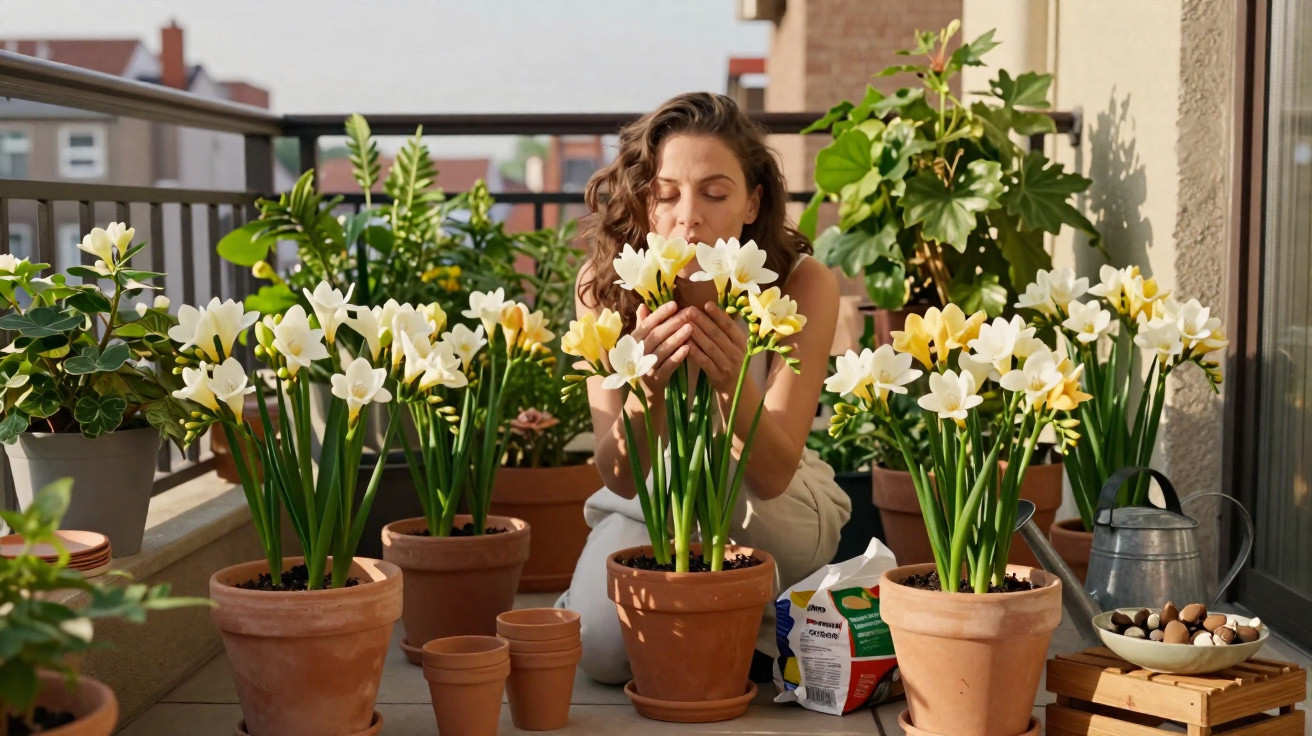
If every plant you have owned has died, you are not cursed; you are simply at an early point in the story. Begin with one sturdy plant beside your brightest window. Get to know its moods, its sulks and how its leaves lean towards the light. Allow it to show you, gradually, that you are more capable of keeping living things alive than you believed. When that first glossy, shy new leaf arrives, do not be shocked if you feel absurdly proud - as though you have grown a small green piece of evidence that you really can do this after all.






Comments
No comments yet. Be the first to comment!
Leave a Comment