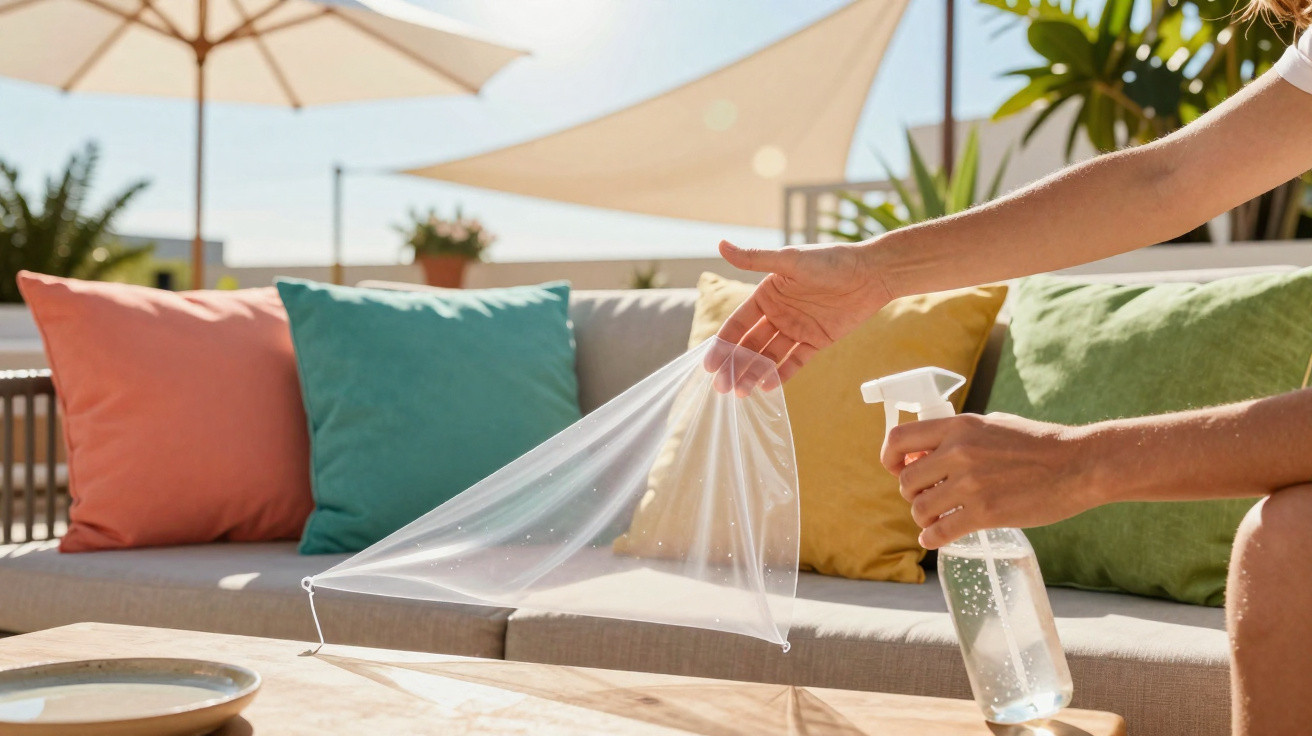
A tiny everyday action can make all the difference.
Anyone who loves their terrace will know the issue: cushions look vivid and fresh when bought, but after a hot summer they can seem tired, washed out and somehow rather sad. Many people blame detergent or rain, but another culprit is actually responsible – and it can almost be outsmarted with one simple habit.
Why terrace cushions fade so quickly in summer
Terrace cushions make an outdoor space more comfortable and add colour. That is exactly why it is so noticeable when their covers suddenly look bleached after just a few weeks of sunshine. The chief cause is UV radiation.
Textile industry specialists have long highlighted that intense sunlight combined with long periods outdoors drastically reduces the lifespan of outdoor fabrics. One especially critical factor is known as photochemical damage to colour pigments.
As little as around 48 hours of strong sunshine with a high UV index can be enough to trigger lasting colour loss in untreated fabrics.
At the height of summer, this threshold is quickly reached, especially on south- or west-facing terraces. As a result, the exposed top side of the cushions may look paler, yellowish or chalky, while the underside still appears almost new.
The 3-second trick that protects the colour of terrace cushions
The good news is that you do not need specialist machinery or expensive professional equipment to slow this process significantly. One small action at the end of the day can make a noticeable difference.
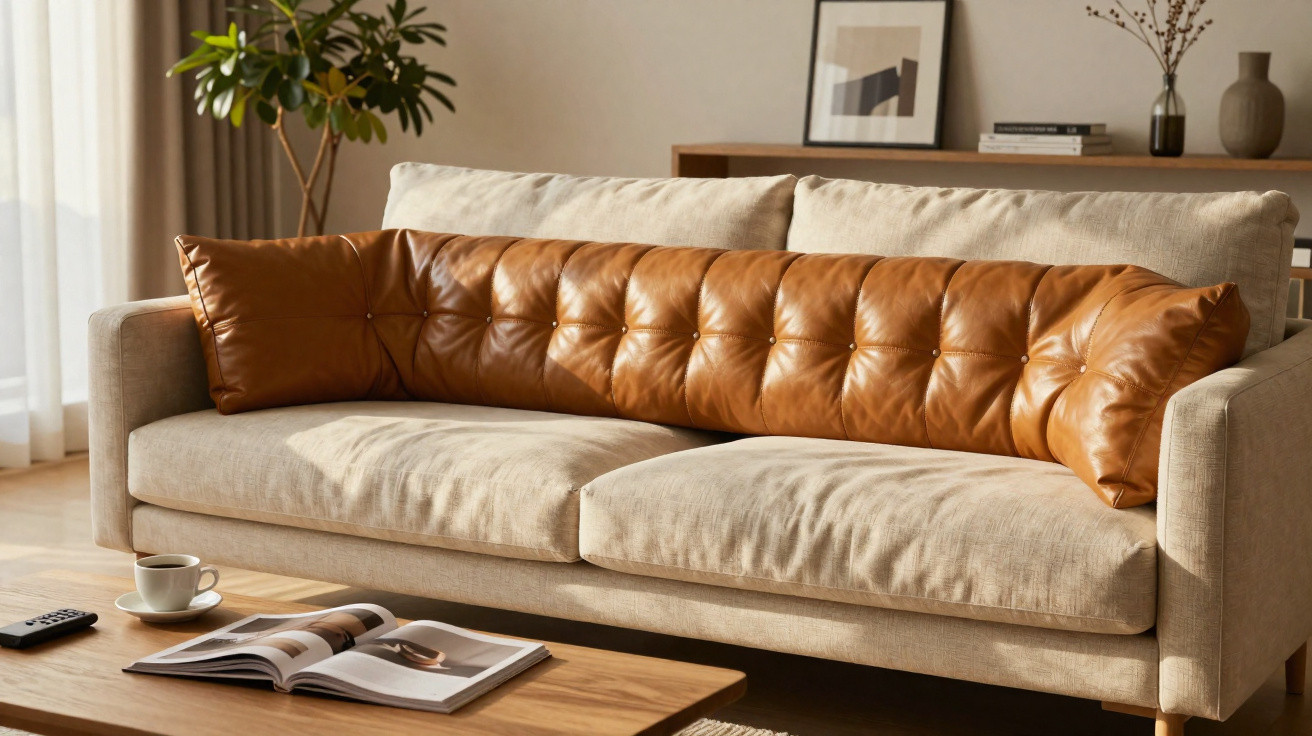
Simply turn your cushions over in the evening – with the display side facing down – or place two cushions together with their coloured sides facing each other.
That is all it takes. This brief action interrupts the daily cycle of sun exposure. The side that has received the full force of the sun during the day faces down overnight and while the terrace is unused, so it is generally protected from further exposure.
This habit achieves the following:
- The same surface does not absorb the full UV dose day after day.
- The critical period of roughly 48 hours of continuous exposure on one side is interrupted.
- Colour pigments are given recovery periods, so the visible surface ages more slowly.
In practical terms, the cushions will still fade over the years, like any other textile, but they should not lose their brightness after only one season.
How UV radiation actually damages colours
Textile dyes are made up of chemical compounds that absorb light at particular wavelengths. When intense UV radiation hits these compounds, individual bonds can break. Specialists refer to this as photochemical degradation.
The effects within the fabric are:
- The colour molecules change their structure.
- They absorb less light or reflect it differently.
- The eye then perceives the surface as paler, more yellow or patchy.
A typical scenario in rented homes and holiday lets is a tenant leaving bright red terrace cushions outside for the entire season. The upper surface sits in direct sunlight day after day. By August, the upward-facing side can look almost pink, while the underside remains a deep red. Reversing the damage is not possible, and replacement is often the only option – purely for visual reasons.
Had the cushions been turned or stacked briefly every evening, the exposure would have been spread more evenly. Rather than a stark contrast, there would at most be a slight reduction in intensity on both sides.
Making the best use of movable shade: parasols, sails and pergolas
The 3-second trick works even better when cushions are not left in blazing sunshine throughout the day. Ideally, combine the habit with flexible shade.
Useful shade options
- Parasol: Can be adjusted according to the position of the sun and is particularly suitable for seating areas.
- Shade sail: Provides broad, lasting shade and is ideal above lounges or dining tables.
- Pergola: Used with fabric panels or climbing plants, it creates shifting, softer shade.
It is important to monitor the position of the shade during the day. A parasol that is perfectly placed at midday will often cast only a narrow strip of shade by late afternoon, leaving the cushions exposed to full sun again.
Cover cushions once no one is sitting outside
As soon as the terrace is no longer in use, extra protection is worthwhile. Suitable options include:
- Breathable tarpaulins or covers with UV protection
- Lightweight throws designed specifically for outdoor use
- Made-to-measure protective covers for seating groups and lounge furniture
After rain showers, air the cushions regularly so that moisture cannot become trapped. Damp upholstery under airtight plastic can encourage mildew marks and odours; breathable materials and short periods of air drying help prevent this.
When extra protection such as UV sprays is worthwhile
Those living in particularly sunny areas or using very delicate fabrics can reinforce the protection further. Special textile sprays containing UV blockers are one option.
Application tips:
- Clean the covers thoroughly first and allow them to dry.
- Apply the spray evenly across the dry surface.
- Start in spring and, with heavy use, reapply once or twice during the season.
For complete seating sets, sturdy protective covers can also be useful, as they shield against both sun and rain. Remove them occasionally so everything underneath can dry out. For fabrics that have not been waterproofed, it is better to bring them indoors or cover them securely during prolonged rain or overnight, particularly when dealing with delicate cushions with foam cores.
A simple household solution to boost colour
For anyone wishing to try a small home remedy, a mild salt solution can be used. It is not a substitute for a professional finish, but it may offer additional support for the colour.
This is how many keen gardeners proceed:
- Mix one litre of water with two tablespoons of fine salt.
- Spray it onto clean, dry covers without soaking them.
- Test it on a concealed area first to rule out any reaction.
Salt acts as a limited fixative and may help colour pigments remain more securely within the fabric. This step should be tested cautiously on outdoor fabrics that have already received a factory treatment, so that coatings are not altered.
Care routine: small habits, major results
The heart of the whole approach is routine. Making this small action a habit can save money and frustration in the long run.
| Situation | Simple protective step |
|---|---|
| Evening, when the terrace is no longer being used | Turn cushions over or stack them with the display sides facing each other |
| A very sunny day is forecast | Position the parasol or shade sail in good time |
| A weekend of continuous use | Swap the cushions' positions once a week (sun ↔ shade) |
| A band of rain or a thunderstorm is approaching | Bring non-waterproofed cushions indoors or cover them well |
A rotating cushion schedule is also useful: regularly swap the heavily sunlit corner with the shaded side of the seating area. This distributes unavoidable colour loss across all covers, making it far less noticeable visually.
What many people overlook: the combination of sun, heat and moisture
Alongside UV radiation, the combination of heat and residual moisture in the fabric also matters. Damp fabrics warm up more quickly in the sun, placing additional strain on the pigments. Anyone who puts cushions straight into blazing sunshine after a shower risks a real acceleration in colour ageing.
A better approach is to let the upholstery dry in partial shade first, before returning it to its favourite sunny spot. This small delay reduces temperature peaks within the fabric and protects both dyes and fibres.
Why the minimal effort is genuinely worthwhile
Terrace cushions are not merely decorative; they can also represent a considerable expense, especially when their colours and materials have been coordinated with the furniture and flooring. Having to replace everything every year or two becomes substantially more costly over time.
The 3-second trick described here requires no additional purchase and can be done as part of another task: on the final walk indoors, while clearing the table or when closing the terrace door. Combined with some shade, occasional turning of the cushions and targeted covering, it noticeably extends the life of the covers.
Ultimately, this is not just about appearance, but sustainability too: fewer cushions going into the bin each year means less production, less transport and lower resource consumption. And your favourite spot on the terrace stays colourful for longer, just as you imagined it – thanks to a small action that takes barely more time than switching off a light.

Comments
No comments yet. Be the first to comment!
Leave a Comment