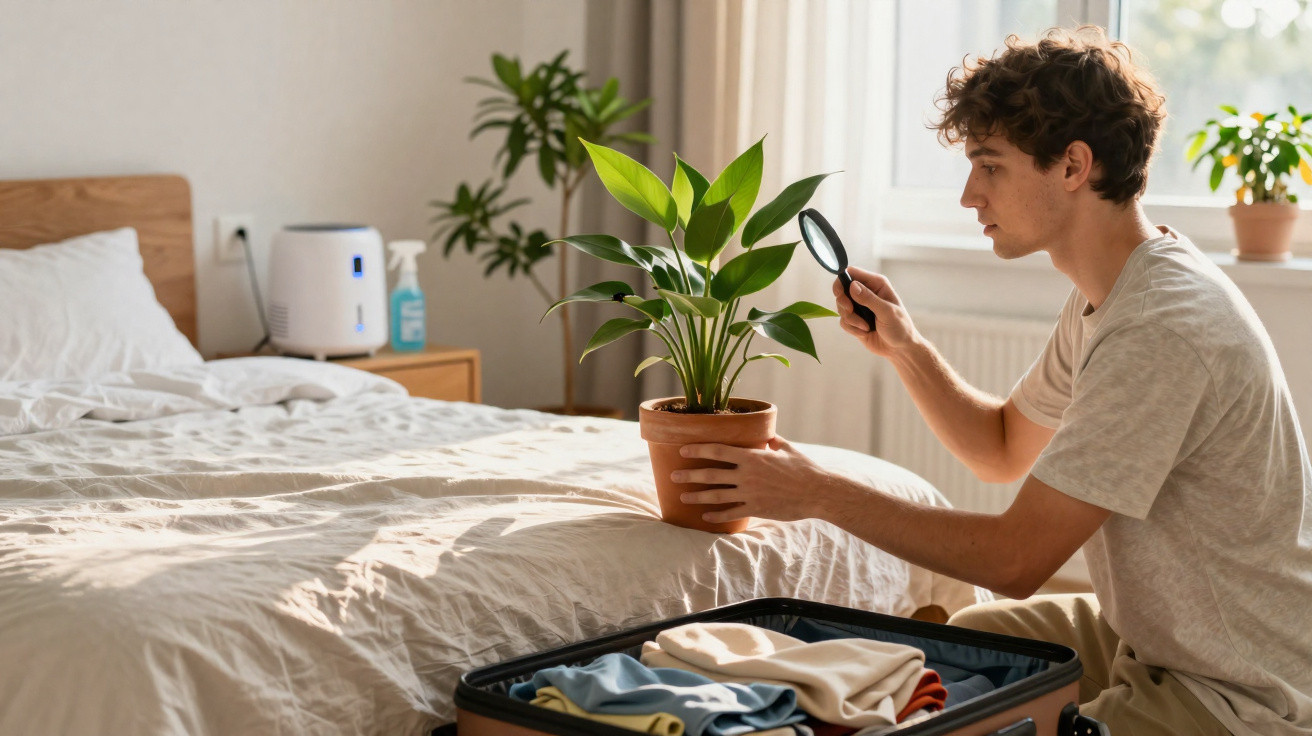
Recent outbreaks and peak travel periods have prompted renewed debate about where indoor plants should be placed.
Bed bugs are increasing again in major cities, leading people to examine every possible place they could establish themselves at home. Plants are not a food source for pests that bite people. However, certain plant types and arrangements can create extra hiding places, collect debris and slightly increase the risk around mattresses and fabrics. The answer is a more considered arrangement, not alarm.
Which plants raise the risk indoors
Sunflowers, chamomile and even a potted dandelion can be appealing additions. However, they shed small fragments and may arrive with tiny hitchhikers in their soil or on their stems. Outside, these plants draw pollinators. Inside, they introduce crevices and small amounts of mess where bugs can remain hidden during daylight hours.
Bed bugs follow people, not petals. Plants only multiply the hiding places near seams, slats, and soft furnishings.
The key point is that bed bugs track CO₂, body heat and gradients of human scent. They cannot fly, and they do not consume leaves. What they do use are cluttered boundaries. Plant saucers, textured pots, felt furniture pads, frayed carpets and the space between a bed frame and plant stand can form a connected chain of shelter only a few feet from someone sleeping.
Outdoor soil can also introduce other insects that put plants under stress, causing greater leaf loss. Extra debris creates more dusty pockets, making it harder to spot the pepper-like droppings and shed skins associated with bed bugs. This does not mean a plant is the “cause”. It simply alters the likelihood indoors when plants sit close to textiles.
| Plant or item | Risk context | Smarter placement | Notes |
|---|---|---|---|
| Sunflowers (cut) | Falling petals; outdoor hitchhikers | Dining table or kitchen worktop | Dispose of stems within a week |
| Chamomile, dandelion (potted) | Fine debris; regular seed shedding | Balcony or bright hallway | Use fresh, sealed potting mix |
| Areca palm | Little litter; consistent humidity | Corner of the living room | Offers good airiness if saucers are not left damp |
| Lavender, lemongrass | Their scent may discourage some insects | Bedroom shelf away from fabrics | Keep the compost fairly dry |
| Ficus, holly | Attractive, but potentially unsafe for pets and children | Out of reach in non-sleeping spaces | Toxic when chewed |
| Succulents, cacti | Very little litter; dry surfaces | Desk or windowsill, never on fabrics | Maintain a gap from curtains |
What actually works right now
Use an intake routine similar to one in a hotel: briefly quarantine every new item, use clean containers and keep plants away from the bed. This helps break chains of shelter and identify issues early, before bites begin.
Give new plants seven to ten days in a bright, wipe-clean area. Repot with fresh, sealed mix. Keep them away from beds and sofas.
- Keep new plants in a hallway or bathroom for 7–10 days, ideally on a pale floor that can be mopped.
- Repot with unopened compost. Wash saucers and planters, then inspect leaf undersides and trays.
- Maintain a distance of at least 60–90 cm between plants and any bed, sofa or curtain hem.
- Place interceptor cups beneath bed legs. Position narrow sticky monitors along skirting boards and under plant stands.
- When plants or second-hand goods are brought in, wash bedding, throws and cushion covers on a hot setting. Tumble-dry on high heat for 30 minutes.
- Avoid bringing used furniture and new plants indoors during the same weekend. Keep their arrival and inspection separate.
- Vacuum bed slats, skirting boards and the floor beneath pots using a crevice tool. Seal the vacuum contents in a bag and put them straight in the bin.
- Use a fully encasing mattress and box-spring cover with secure zips to close off harbourage seams.
Moisture and microclimate management
Water plants less frequently, and do not allow saucers to remain wet. Damp edges and nearby fabrics can make cool, dark areas where bugs conceal themselves. Leave enough space between plants for air circulation. During your weekend clean, wipe dust from foliage and pot rims. This reduces pools of debris and makes checks easier to carry out.
Travel and secondhand routines
When returning from a trip, leave luggage in the hallway rather than beside a plant shelf or bed. Unpack directly into the washing machine. Shoes and soft belongings can be put through a hot tumble-dryer cycle. Before bringing in used furniture, inspect its joints with a torch, treat it in a garage or on a balcony, and consider a heat treatment using a portable heater that maintains an even 50–60°C. Do not use foggers: they disperse pests and fail to reach cracks.
When to call a professional
Clear warning signs include black marks on bed slats, a sweetish smell in a crowded room, shed skins along seams and bugs seen near headboards during the day. Licensed professionals can combine precise insecticide treatments with structural heat. If you use powders, apply food-grade silica or diatomaceous earth sparingly and only in cracks, never in plant compost or areas used by pets. Do not apply bed-bug sprays to plants.
Why this matters now
Higher levels of travel, growing furniture resale and increased indoor gardening have altered the situation. These pests travel with people in seams and screw holes. Plants, meanwhile, add pots, trays and places where fabrics make contact. Together, these features can make bedrooms into dense courses of edges that bed bugs favour. A modest change to the room layout can put control back in your hands.
Keep sleep zones minimal, wipeable, and easy to scan with a torch in two minutes flat.
A practical bedroom reset you can do tonight
Move plant stands outside the 1-metre zone around the bed. Raise curtains so that they do not touch any pots. Replace woven baskets close to the bed with smooth, lidded storage boxes. Put interceptors under every bed leg and write the date on them with a marker. Set two sticky monitors beneath the plant shelf. Carry out a 120-second torch inspection along skirting boards, behind the headboard and underneath saucers. Create a calendar reminder to do this every week.
Extra context for plant lovers
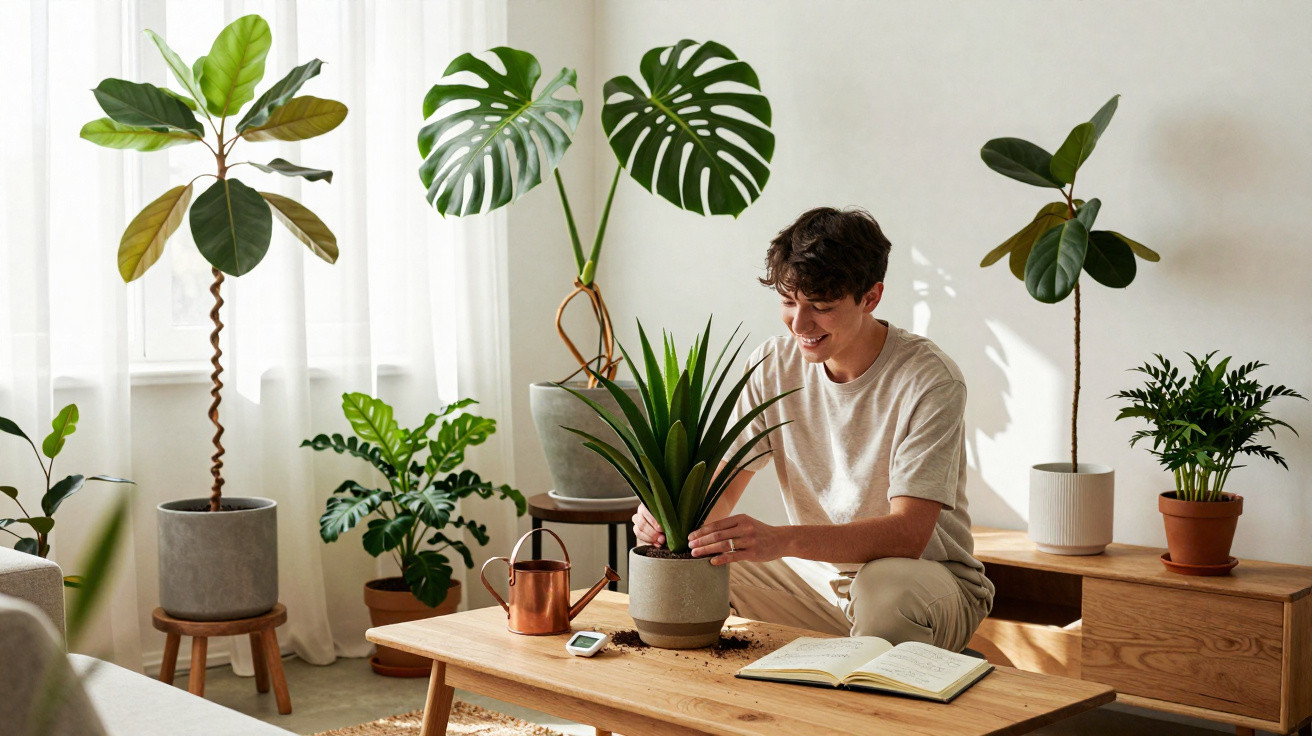
Areca palms, snake plants and many succulents help maintain cleaner surfaces because they shed less material and prefer drier compost. If you would like fragrance near the bedroom, a small lavender plant or a bunch of dried stems provides scent without introducing damp soil. Households with pets should avoid ficus and holly, choosing a spider plant or parlour palm instead.
For a quick risk assessment, count the “edges” within arm’s reach of the bed: pot rims, woven baskets, loose fabric, cardboard and picture frames. Try to keep the number below ten. Every item removed makes inspections quicker and reduces harbourage. Combine this with a watering routine that keeps saucers dry and floors ready to wipe. The room can still feel full of life; it simply no longer functions as a maze for a pest that searches for us at night.





Comments
No comments yet. Be the first to comment!
Leave a Comment