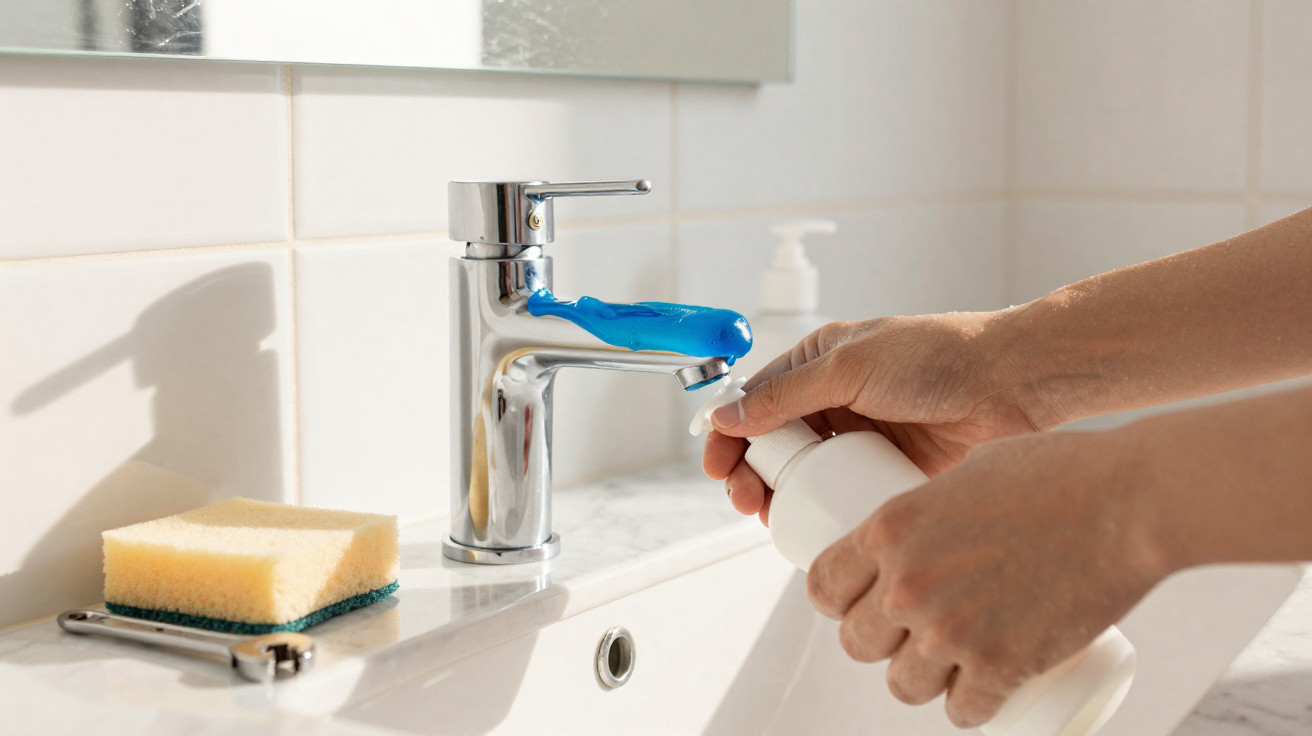
We have all faced it: a tap coated in a gritty white crust, with no lemon to hand and an empty vinegar bottle in the cupboard. The internet’s latest obsession points to an entirely different bottle, and the video results appear immediate. Plumbers, however, are far from enthusiastic.
On a Saturday morning in a cramped rented kitchen, a young couple bickered over coffee as they tackled a tap that simply would not gleam. Its aerator was furred with white deposits, while a chalk-like ring surrounded the base. One reached beneath the sink for a neon-blue gel, squeezed a shiny line onto a toothbrush and dotted it around the tap’s neck. After two minutes, a rinse and a wipe with a soft cloth, the marks had disappeared.
The toilet cleaner gel trick doing the rounds in group chats
Set aside lemon slices and the lingering smell of vinegar. The disputed solution is toilet cleaner gel - the kind containing hydrochloric acid - applied sparingly to limescale and left in place for a very short time. TikTok has made the technique look magical, which is usually how these ideas take off. Vivid gel, cling film, a quick wipe, then shine.
In one viral video, a tenant covered the spout in plastic as though wrapping a burrito, pushed gel into the hardened deposits and removed the wrap to reveal chrome with a showroom-new appearance. It had a million views by lunchtime. Comments ranged from thrilled to horrified. “It worked in TWO minutes,” one wrote. “My landlord will never know,” said another.
The reason it works so dramatically is straightforward: limescale consists of calcium carbonate, which hydrochloric acid attacks quickly. As a gel, it stays in position rather than running away like lemon juice or diluted vinegar. The fizzing sound is carbon dioxide released as the mineral breaks down. It works frighteningly fast. That very speed is what concerns professionals.
How the hack is used - and why professionals are angry
The technique itself is fairly crude. Apply a narrow line of toilet cleaner gel to a soft brush or cotton pad, then dab it only onto the chalky build-up on the tap and aerator. Loosely cover the area with cling film to maintain contact, leave it for 60 to 180 seconds, then rinse thoroughly with cold water. Wipe with a damp cloth, polish dry, and finish with a brief application of baking soda solution to neutralise any remaining residue.
Plumbers deal with the damage once the initial shine has faded. Hydrochloric acid may remove chrome, pit nickel and damage rubber seals if it is left too long or finds its way beneath trim. In kitchens with natural stone, it can create etched rings within seconds. In reality, few people follow this method daily. Instead, they leave it for “just a bit longer”, and that is when tiles, grout and cartridges suffer.
“I get called after the miracle,” said a Leeds plumber who replaces three ruined mixers a month. He shared a photograph of a tap bearing a pale, matt band where gel had been left overnight; its shine never returned.
“The acid doesn’t stop where you want it. It creeps. Two extra minutes, and that’s a new faucet.”
- Wear gloves and ensure good ventilation. Fumes are not a vibe.
- Keep acid away from stone, aluminium and brass trim.
- Never combine it with bleach. Toxic gas is no joke.
- Keep contact to 1–3 minutes. Use a timer rather than guessing.
- Rinse first, then neutralise with a mild baking soda solution.
What makes practical sense in real homes
There is a reason professionals recommend gentler acids, such as citric or lactic acid in gel form. They take longer, but they are less likely to ruin fittings. Remove the aerator, soak it for 30 minutes in warm water mixed with citric acid powder, brush it clean, refit it and the job is done. For stubborn rings around the tap, wrap a paper towel soaked in descaler around the area like a scarf. It offers the same cling without the harsh damage.
For glass and stainless steel, a dishwasher tablet dipped in warm water can be made into a paste that removes mineral haze without cutting into the surface. Fine scratches caused by magic erasers may be hard to notice in a brightly lit bathroom, yet become obvious in evening light. One mistake can strip chrome in minutes. Repeating a safe treatment twice is better than taking a single gamble with a harsh product.
There is also the less exciting approach: prevention. Dry taps after showering, fit an inexpensive inline filter or descale every month with a milder cleaner. It sounds fussy until you realize limescale is cumulative, like plaque. The less build-up you allow, the less drastic cleaning will be needed later. A quick wipe after brushing your teeth is easier to manage than a frantic Saturday rescue job.
Why this limescale hack took off - and what it means for you
Short-form videos favour surprise and immediate results, and acid meeting rock-hard limescale supplies both. Watching the crust retreat like snow in a hot frying pan is compelling. Plumbers are not objecting out of snobbery; they see how many fixtures are scarred by a product that was never designed for chrome. That conflict between quick results and lasting expense captures a modern household-cleaning dilemma.
Perhaps the real skill lies in picking the right occasion. If a rental inspection is approaching and the tap resembles a cave formation, a closely timed application of gel may protect your deposit. For a sink you intend to keep, take a gentle and regular approach, and your future self will be grateful. There’s a sweet spot between hack culture and craftsmanship. Share the methods that work in your home, but keep the receipts - for both cleaning methods and replacement parts.
| Key point | Detail | Why it matters to the reader |
|---|---|---|
| The “instant” hack | Toilet cleaner gel (HCl) dissolves limescale quickly with 1–3 minutes of contact | A rapid answer to heavy deposits when there is no lemon or vinegar |
| The risk professionals flag | It can strip chrome, pit finishes, damage seals and etch stone if left in contact too long | Helps avoid costly fixture replacements and voided warranties |
| A safer routine | Citric/lactic acid gels, an aerator soak, neutralising and drying | Cleaner taps with fewer risks and a better long-term shine |











Comments
No comments yet. Be the first to comment!
Leave a Comment