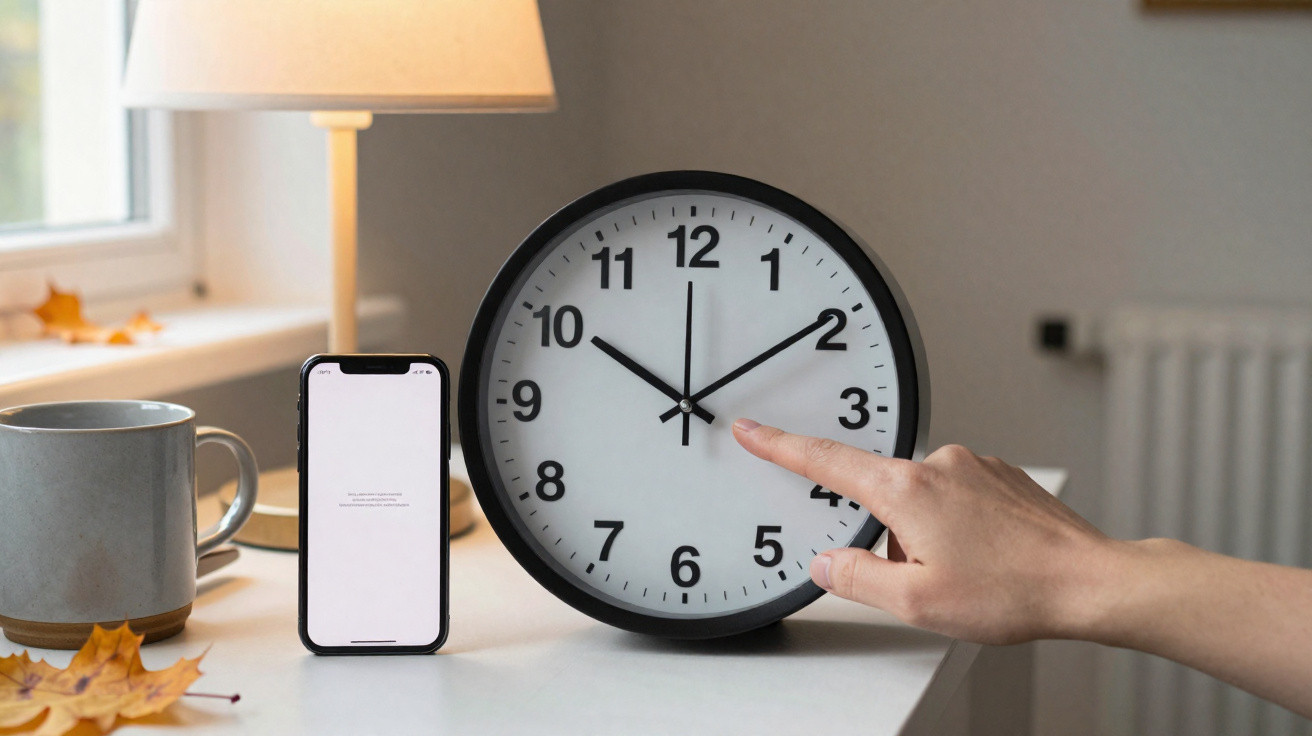
The clocks going back can catch you out when it happens before Halloween. In 2026, the UK moves from British Summer Time (BST) to Greenwich Mean Time (GMT) in the early hours of Sunday 25 October - the earliest date the autumn change can fall on.
There is no special reason for the early date. The clocks always go back on the final Sunday in October, and this year that Sunday is 25 October. At 2am BST, the time returns to 1am GMT. Most people gain an hour in bed, provided they do not simply stay up later the night before.
The exact date and time for 2026
The change takes place overnight from Saturday 24 October to Sunday 25 October 2026.
At 2am BST, clocks go back to 1am GMT. The hour between 1am and 2am happens twice: first in BST, then again in GMT.
Phones, computers, smart speakers and many connected devices should update automatically, as long as their date, time zone and software settings are correct. It is still sensible to check anything that may need changing by hand, including:
- analogue clocks and watches
- oven and microwave clocks
- alarm clocks
- older heating programmers
- car clocks and dashboards
- plug-in timers for lamps, aquariums or garden equipment
In October, clocks go back by one hour. The familiar reminder is “spring forward, fall back”.
Why it feels unusually early this year
The rule is based on the calendar rather than a fixed date. The clocks go back on the last Sunday in October.
In 2026, 1 October is a Thursday. The Sundays are therefore 4, 11, 18 and 25 October, making the 25th the final Sunday of the month - and the earliest possible date for the change.
The change can be as late as 31 October. In 2027, for example, the final Sunday in October falls on the 31st, so the move back to GMT will be almost a week later than it is this year.
An earlier clock change does not mean winter weather has arrived early, and it is not the result of a one-off government decision. It is simply how the dates fall in 2026.
What changes - and what does not
When GMT begins, mornings become lighter by the clock, while daylight fades earlier in the afternoon and evening. The clock change does not alter the amount of daylight available; it changes the time shown when dawn and dusk happen.
For many households, the practical effects include:
- a brighter school run or morning commute
- rooms becoming dark earlier in the afternoon
- less time for outdoor jobs after work
- lights and heating being used at different times
- evening routines feeling slightly out of step for a few days
The change applies throughout the UK. England, Scotland, Wales and Northern Ireland all move from BST to GMT at the same moment.
Why the UK still changes its clocks
Seasonal clock changes have a long history in the UK. The current arrangement places the UK on BST during the lighter months and GMT during the darker part of the year.
One long-standing aim is to make better use of daylight in the mornings and evenings. The UK’s timetable also broadly matches the clock-change dates used by many European countries, which can help with travel, communications and cross-border business.
The European Parliament supported a proposal in 2019 that could have ended seasonal clock changes in EU countries. However, no replacement system was agreed or introduced. The UK is no longer an EU member and continues to follow its established BST and GMT timetable.
A simple checklist for the weekend
A quick check can prevent a missed alarm, a cold house or a timer coming on at the wrong time.
1. Check your automatic devices
On Sunday morning, look at your phone or computer first. If the time is correct, use it as a reference for clocks and appliances elsewhere in the home.
2. Reset manual clocks
Move manual clocks back by one hour, either before bed on Saturday or on Sunday morning. Do not alter a phone alarm by hand if the device is set to update automatically.
3. Review heating and lighting timers
Older heating controls, plug-in timers and some appliances may not recognise the time change. Check that they are set for the times you actually want, especially if the weather has turned colder.
4. Confirm travel and work arrangements
For an early flight, train, coach, shift or international video call, check the stated local time carefully. The repeated hour can create confusion, particularly where a timetable or rota simply says “1.30am”.
5. Use it as a home-maintenance reminder
It is a useful moment to test smoke alarms in line with the manufacturer’s instructions, check torch batteries and make sure entrance lighting is working properly.
Making the adjustment easier at home
An extra hour sounds simple, but some people notice a short-lived shift in sleep or energy. Children, pets and anyone with a tightly timed routine may take a few days to settle.
Keep the weekend as close to your usual routine as possible. Going to bed at roughly your normal time can make Monday easier. Open curtains after waking and spend some time outdoors in daylight if you can; daylight is a useful cue for your body clock.
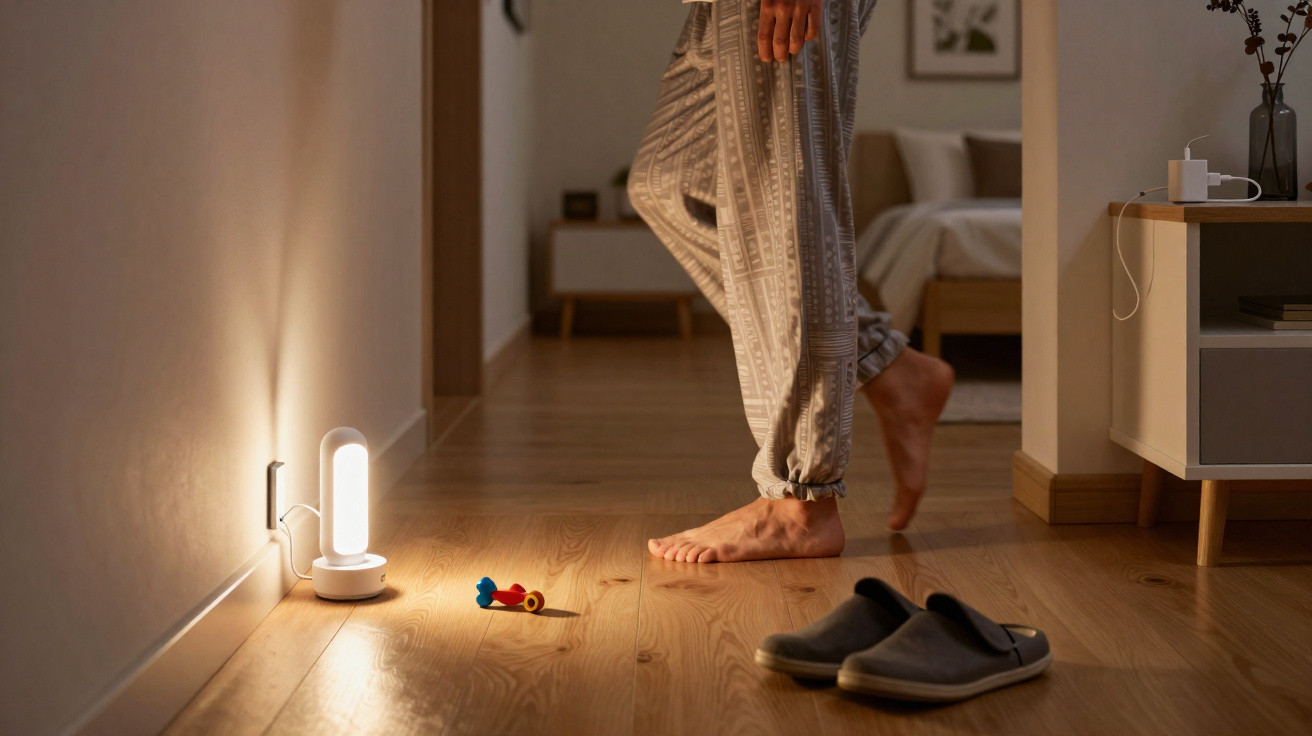
Earlier darkness can also make a home feel less welcoming, especially in sitting rooms and hallways. Rather than relying on one bright ceiling fitting, use layers of light. A table lamp for a reading corner, a wall light in a hallway and good task lighting in the kitchen can make rooms more comfortable on darker afternoons.
The extra hour is most useful when it supports your usual sleep routine rather than shifting the whole weekend later.
Common mistakes to avoid
The same problems tend to come up each autumn.
- Changing clocks the wrong way. In October, clocks go back one hour.
- Adjusting automatic devices twice. Phones, computers and some cars may update without help.
- Forgetting older timers. Heating controls and plug-in lamp timers may need manual adjustment.
- Assuming every country follows the same timetable. Some countries do not change their clocks, while others use different dates.
- Ignoring the repeated hour in travel plans. Check whether times are stated in BST or GMT when this matters.
- Treating the date as the only time to check alarms. Smoke alarms should be tested regularly throughout the year, not only when the clocks change.
Safety notes for darker evenings
The clock change often coincides with more use of lamps, candles and portable heaters. Keep candles well away from curtains, furnishings and pets, and never leave them unattended. Avoid overloading extension leads or adaptors.
Keep portable heaters clear of laundry, furniture and walkways, and follow the manufacturer’s instructions. If you are checking outdoor lights or timers, do not handle damaged cables or fittings while they are connected to the power supply. For electrical faults, fixed wiring concerns or boiler problems, contact a suitably qualified professional.
Looking ahead to spring 2027
After the October change, the UK remains on GMT through winter. Clocks are due to go forward again on the final Sunday in March 2027, when BST returns.
For now, put Sunday 25 October 2026 in the diary, check the few clocks that need manual attention and use the earlier darkness as a prompt to make your home safer and more comfortable for the season ahead.













Comments
No comments yet. Be the first to comment!
Leave a Comment