
Many people know the feeling: the furniture only just fits, the wardrobe is squeezed in beside the bed, yet the bedroom corner still feels cramped, heavy and gloomy. The usual response is to look for new wardrobes, complicated storage solutions or even structural alterations. Often, however, a much smaller change is enough – and it starts right on the mattress.
Why small bedrooms can quickly feel oppressive
The smaller the room, the more unforgiving design mistakes become. This is particularly true in a bedroom, where the bed occupies most of the available space and the atmosphere can swiftly shift from cosy to claustrophobic.
Dark colours absorb light and close in the room
Densely patterned, dark bedding or strong colour contrasts may look striking in a catalogue. In a small room, though, they can make the space seem to shrink. They absorb daylight, create stark edges and draw attention to one large, dark area in the centre of the room.
The darker the bedding, the more the bed resembles a heavy block that visually reduces the room.
The everyday consequences include:
- The corners of the room disappear into shadow.
- The floor appears shorter, while the walls seem to move closer together.
- The room looks lower, even where the ceiling is actually of a normal height.
There is another factor, too: people spending time in confined, dark rooms often feel more unsettled, take longer to fall asleep and perceive the space as untidy – even when there is very little lying around.
The bed: the hidden force behind how a room feels
One item nearly always dominates the bedroom: the bed. Whether it is a box-spring bed, a futon or a simple frame, the sleeping surface forms the visual focal point. This is precisely where the room’s perceived proportions can be changed.
The bed’s outer layer – duvet, sheet, pillows and bedspread – acts like an enormous block of colour within the room. It influences:
- how much light is reflected;
- where the eye travels first on entering the bedroom;
- whether the space feels calm and light or heavy and restless.
Changing the bedding is therefore rather like altering an entire wall – only horizontally. This is where this straightforward yet highly effective trick begins.
Light bedding: the simple solution to a cramped feeling
The answer is surprisingly uncomplicated: light, understated bedding. There is no building noise, no need for new furniture and no extensive painting project. It simply means choosing a different shade for the room’s largest textile surface.
White and very pale beige make walls seem further away
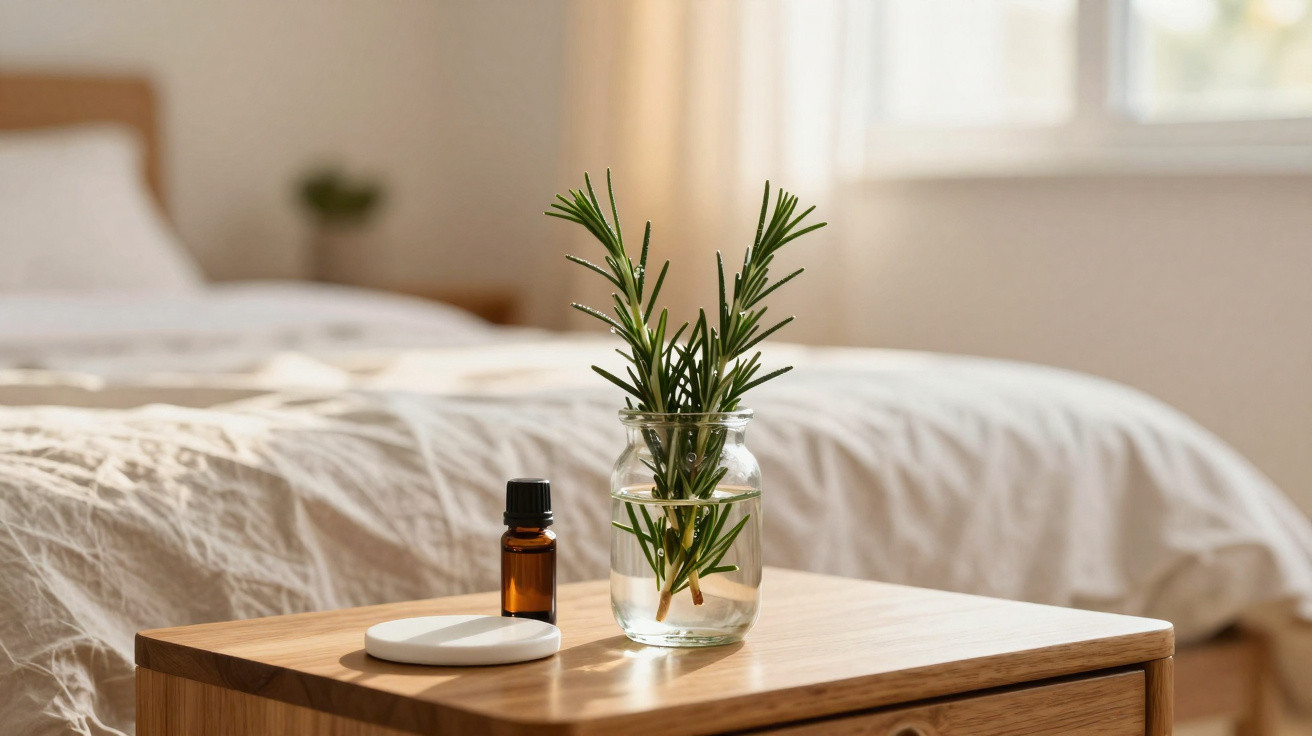
Bedding in pure white or very pale beige reflects the light already available instead of absorbing it. Even on overcast days, this makes the room appear more evenly lit, welcoming and spacious.
Light bedding works like a light booster – it distributes every ray of sunshine and turns a cramped sleeping corner into an airy place of rest.
When the bed is suddenly dressed in pale shades, the following changes become noticeable:
- The room appears more open because the eye no longer stops at a dark surface.
- The transition between bed, wall and floor looks softer, so the room’s boundaries blur slightly.
- The ceiling seems higher and the room deeper.
This creates a fresh, crisp impression, especially during periods with plenty of daylight, such as spring. The room is quite literally filled with brightness without adding a single lamp.
Why fabric quality matters almost as much as colour
Colour is not the only important consideration: the fabric’s finish also plays a major part. One common interiors tip is bedding made from smooth, closely woven cotton percale.
This fabric has a lightly cool feel, a matt appearance and a particularly clean look. Its fine texture softly reflects incoming light without creating shine. That further enhances the feeling of airiness in the room.
By contrast, coarse or highly glossy materials can soon look busy. They produce harsh reflections or develop creases that disrupt the overall appearance. Smooth, light bedding creates a calm, orderly backdrop within the room – ideal for anyone seeking clarity.
How to blend light bedding into the rest of the bedroom
Once the bed has been styled in bright shades, it is worth coordinating the remainder of the room with it. The aim is not to create a sterile studio, but a peaceful, light-filled atmosphere.
Soft combinations rather than sharp contrasts
For light bedding to deliver its full effect, pair it with complementary yet restrained elements. Good choices include:
- bedside tables in pale wood or white;
- curtains with a linen look in natural or cream shades;
- subtle rugs in off-white, sand or very light grey;
- just a few accent colours, perhaps in cushions or small decorative objects.
Shades such as sage green, powder pink or muted blue bring life to the room without compromising its sense of visual space. The guiding principle is to use one or two tones consistently rather than mixing many colourful elements.
Turning a tight sleeping space into an airy cocoon
People making this switch are often in for a small surprise. The room does not merely feel larger; it also appears tidier, even though the actual number of furniture pieces has not changed.
A new bedding set costs considerably less than renovation work – yet its effect on how a room feels can still be enormous.
Typical reactions include: “Suddenly I can see the floor again” or “I feel as if I can breathe better”. It is the same room, the same walls and the same bed frame – only the large textile surface has changed.
Practical tips: getting the most from your small bedroom
To ensure the bedding trick continues to work over time, it is helpful to consider a few additional adjustments.
Combining colours, light and tidiness thoughtfully
These simple measures can greatly strengthen the effect of light bedding:
- Adjust the wall colour: Light off-whites or very delicate tones, such as greige, cream or pale rose, support the effect on the room.
- Do not overlook the ceiling: A slightly lighter ceiling colour makes the room seem taller.
- Layer light sources: Rather than relying solely on a ceiling light, use several smaller pools of light, such as a bedside lamp, floor lamp and indirect lighting.
- Create open areas: Keep at least one corner as clear as possible, allowing the eye to “breathe”.
- Reduce textiles: Choose one large, calm throw rather than five different blankets and an overgrowth of cushions.
When light should not look boring
Many people worry that a light bedroom will quickly seem clinical or dull. The answer is texture rather than more colour:
- striped or subtly checked bedding in tone-on-tone shades;
- a natural-coloured linen cushion at the front of the bed;
- a woven rug with gentle texture at the foot of the bed;
- natural materials such as wood, rattan, raffia or ceramic.
This keeps the room serene while adding depth and personality. The brightness remains, but character moves in.
Why now is the right time to look at your bedding
Home trends may change, but one point remains constant: small rooms benefit greatly from light, calm and clean lines. Light bedding is one of the rare tricks that works in almost every layout – from a narrow, corridor-like room to a low loft nook.
Anyone wanting to bring a fresh feel to their bedroom can start here. A new duvet cover can be changed quickly, costs relatively little compared with furniture and has an immediate effect. Often, a single weekend is enough to turn a confined sleeping area into a light, open retreat.
The final question, then, is not so much whether the room is too small, but whether the textiles that dominate it truly contribute to a sense of spaciousness and calm. One set of light bedding can offer a surprisingly clear answer.















Comments
No comments yet. Be the first to comment!
Leave a Comment