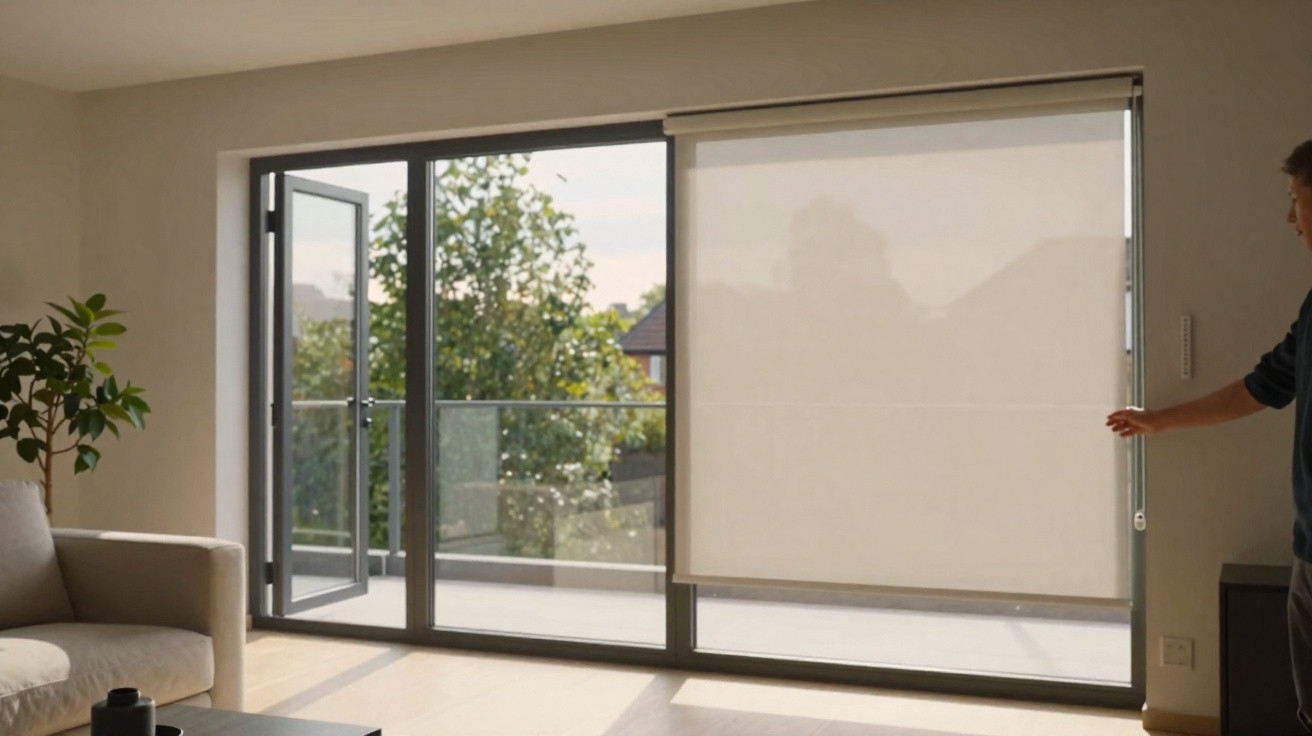
Floor-to-ceiling glazing can make a new flat feel bright, spacious and modern. But during a hot spell, the same room can behave like a conservatory with the door shut: strong sun, hot surfaces and air that does not cool properly overnight. What looks appealing in a sales brochure can become exhausting in a west-facing bedroom or top-floor living room.
The key is to control sunshine before it reaches the glass, then combine shading with ventilation that people can genuinely use. A home should retain heat in a British winter without becoming intolerable during summer heatwaves.
A highly glazed façade may look light and open, but glass facing strong sun needs a workable shading and ventilation strategy - not just an attractive rendering.
Why highly glazed homes overheat
Sunlight passing through glass warms floors, furniture and internal walls. These surfaces then release heat into the room. With large areas of glazing, especially on south-, east- and west-facing elevations, solar gain can exceed the amount of heat that opening windows can remove.
Common factors that make overheating worse include:
- top-floor flats, where heat can build up beneath the roof;
- west-facing living rooms exposed to late-afternoon sun;
- single-aspect flats with windows on only one side;
- fixed windows or openings restricted for safety reasons;
- dark roofs, hard paving and nearby buildings that store and radiate heat;
- relying solely on internal blinds;
- noise, poor air quality or security concerns that make night-time window opening unrealistic.
Insulation and airtightness are important in cold weather. However, they need to form part of a whole-building approach. If unwanted summer heat is trapped indoors, residents may be left choosing between overheating, traffic noise, insects, pollution or security worries.
Glass is not the only issue
Large windows are not automatically poor design. They can bring daylight, views and reduce the need for electric lighting. The problem comes when every elevation is treated as though it receives the same sun and weather.
A north-facing window usually presents a different overheating risk from a broad west-facing wall of glass. East-facing rooms may heat up early in the day, while west-facing rooms can remain warm well into the evening - just when people are trying to cook or sleep. Rooflights can provide excellent daylight, but their position can also bring strong solar gain.
The glass specification matters, too. Some glazing is designed to reduce solar gain while retaining daylight, but glazing alone cannot compensate for an exposed façade with no external shade and limited ventilation. Window opening sizes, room depth, frame details and the building’s thermal mass all influence comfort.
Plan for sun, layout and airflow
The least disruptive ways to reduce overheating are considered before planning drawings become construction details. New homes should be assessed for likely summer conditions, rather than only for winter energy performance.
1. Map sun exposure by façade
Identify where direct sun falls in the morning, afternoon and early evening. Give particular attention to west-facing bedrooms and living rooms, where late heat can be difficult to remove before bedtime.
Questions worth asking include:
- Which rooms are occupied during the hottest hours?
- Do balconies, overhangs or nearby buildings provide useful shade?
- Could later development remove that shade?
- Can the home have openings on more than one side?
- Have rooflights, roof terraces and top-floor flats been considered separately?
2. Put rooms in sensible positions
Where the site allows, circulation areas, bathrooms, storage and utility rooms can act as buffers on the most exposed elevations. Bedrooms and principal living spaces can then be placed where conditions are more stable.
This will not always be possible on a constrained urban site. Even so, small changes to a plan can reduce the amount of heat residents need to manage later.
3. Make ventilation usable
Air movement is more effective when there is a clear route through a home. Dual-aspect flats can often ventilate more effectively than single-aspect ones, provided both sides can be opened safely.
Where windows cannot sensibly be left open because of noise, security or pollution, the design may need secure vents, acoustic ventilation measures or mechanical ventilation. It is not enough to show opening windows on a drawing if residents are unlikely to use them overnight.
Stop heat outside the glass
External shading is generally more effective than internal blinds because it intercepts sunshine before it passes through the glazing. Curtains and internal blinds still help with glare and privacy, but much of the solar energy may already have entered the room.
Useful options include:
- horizontal overhangs or brise-soleil for high summer sun;
- external blinds, shutters and awnings;
- recessed windows with self-shading reveals;
- balconies designed to provide meaningful shade;
- pergolas and carefully positioned deciduous planting;
- solar-control glazing where it suits the façade and daylight needs.
Each option has trade-offs. Fixed shade should not unnecessarily block useful winter daylight. External blinds need robust fixings, safe operation and maintenance, particularly on exposed upper floors. Awnings can be practical for houses and some low-rise flats, but should be suitable for local wind conditions and fitted by a competent installer.
The most effective time to tackle overheating is before sunshine crosses the building envelope and becomes trapped indoor heat.
Fabric, landscape and surrounding surfaces
Well-designed walls and roofs can slow the transfer of outdoor heat into a home. Thermal mass can moderate temperature swings when paired with effective shading and a way to cool the building during cooler periods. Without night cooling, however, heavy materials can hold onto unwanted heat for longer.
The setting around a building matters as well. Mature trees, planted courtyards, green roofs and green walls can provide shade and reduce the harsh effect of hard, heat-storing surfaces. They cannot replace a sensible façade design, but they can improve the immediate microclimate.
Landscape should not be treated as a final decorative addition. Retaining mature trees, giving new trees adequate rooting space and planning for maintenance need to happen early. In dense towns and cities, shade at pavement level can also make communal areas and journeys home more bearable in hot weather.
What residents can do now
Replacing an entire glazed façade is costly and may need permission from a freeholder, landlord or managing agent. Residents can nevertheless reduce daily heat build-up.
1. Shade rooms before they heat up
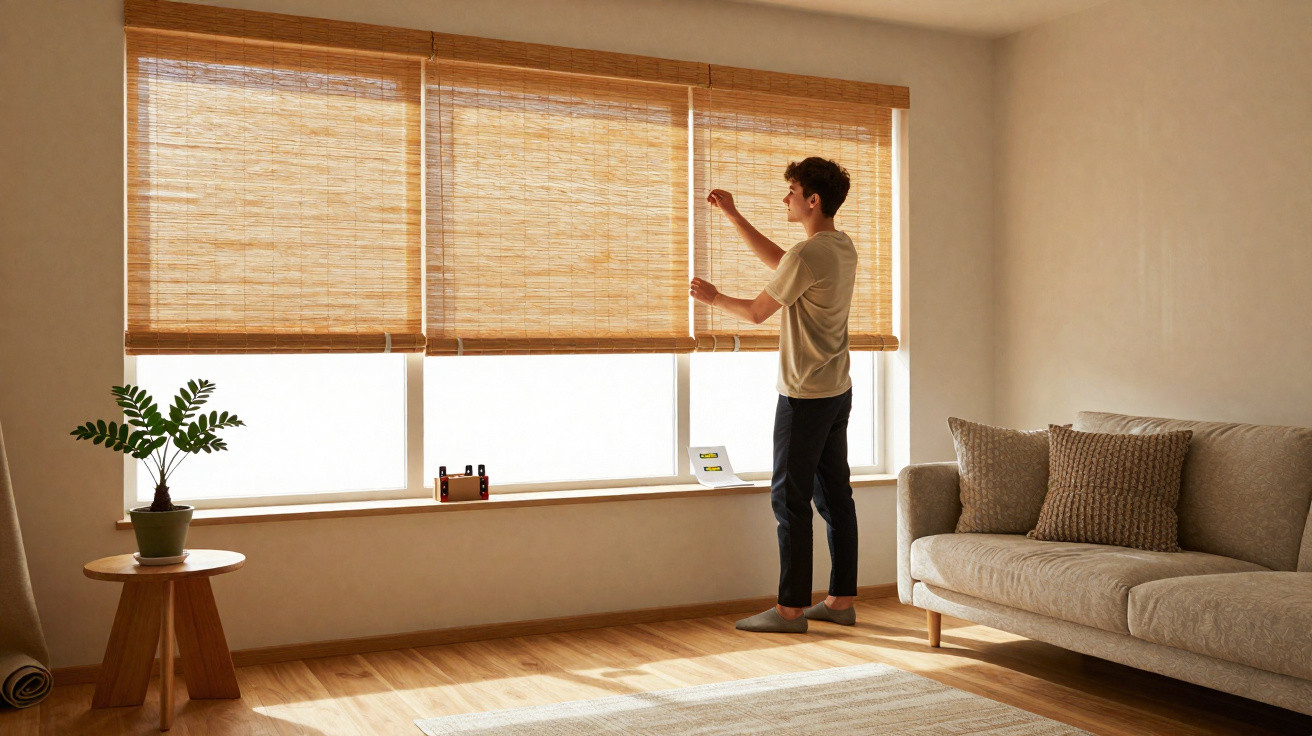
Close curtains, blinds or shutters before direct sun reaches the room. If external blinds or awnings are permitted and safely installed, they are likely to be more effective than indoor coverings.
2. Ventilate when outdoor air is cooler
Open windows in the early morning or evening where it is safe to do so. Create a through-draught if the home has openings on more than one side. During the hottest part of the day, close sun-facing windows and draw coverings.
Fans can make people feel cooler by moving air, but they do not lower the room temperature. Place them securely, keep cables away from water and never use damaged electrical equipment.
3. Cut unnecessary indoor heat
Use extractor fans when cooking, cover pans and avoid using the oven where practical during hot periods. Delay tumble drying and other heat-producing tasks if possible. Switch off equipment that is not needed.
4. Keep a clear record
Note which rooms are affected, at what time, and whether direct sun or limited ventilation is the cause. Photos of failed blinds, inaccessible windows or intense direct sunlight may help support a specific request to a landlord, managing agent or developer.
Before making external alterations, check your lease and obtain any necessary approvals. Listed buildings and shared façades can have additional restrictions.
Common mistakes that worsen overheating
- Relying on internal blinds alone: they reduce glare but do less to prevent solar heat entering.
- Adding opening windows without considering noise or security: an opening that cannot realistically be used is not a reliable cooling measure.
- Treating all glazing alike: orientation, window size and room use are crucial.
- Putting dark materials directly against sunlit glass: these can absorb and release heat into the room.
- Assuming air conditioning fixes poor design: it may provide relief, but it brings running costs, maintenance, noise and heat discharged outdoors.
- Ignoring west-facing and top-floor homes: these often need particular attention.
- Blocking vents or altering communal systems: do not interfere with fire safety, ventilation or building services without professional advice and proper approval.
Safety, standards and the next step
Hot weather can be especially difficult for older people, babies, people with existing health conditions and anyone with limited mobility. Follow current public-health advice during heatwaves, drink regularly and seek urgent help if someone appears seriously unwell. Never leave children or pets in enclosed, sun-facing rooms, on balconies or in vehicles.
In England, overheating in relevant new residential buildings is addressed through Building Regulations, including Approved Document O. Requirements differ across the UK, so projects in Scotland, Wales and Northern Ireland should be checked against the applicable national standards. Meeting minimum requirements should be the starting point, not the end of the conversation about comfort.
The practical test is simple: ask how a flat performs on a still, sunny July evening, not only how it looks in a bright marketing image. Prioritise external shade, ventilation that residents can use, appropriate glazing, sensible window proportions and real planting. A bright home should feel welcoming in every season - not like a greenhouse when people most need shelter from the heat.














Comments
No comments yet. Be the first to comment!
Leave a Comment