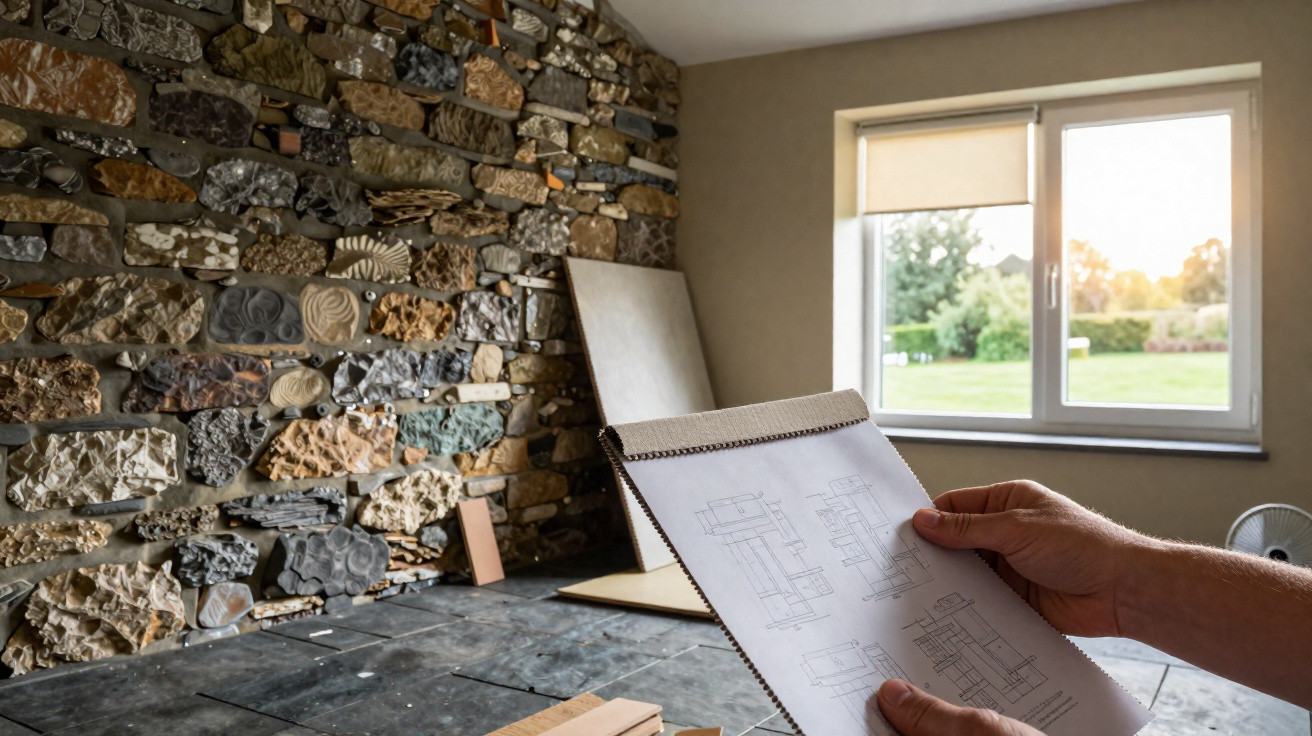
A chilly, draughty home can make insulation feel like an obvious answer. Yet some households discover that, after work is finished, bedrooms or living rooms become uncomfortably hot during a warm spell. Insulation is not the problem in itself: the trouble comes when a renovation is planned only for winter heat loss and ignores how the home gains and releases heat in summer.
The key is to plan a retrofit as one connected system. Insulation, glazing, shading, airtightness, ventilation and the existing structure all affect comfort. Before agreeing to a package of works, ask how it will limit sunshine entering the home and how stored heat will leave safely when temperatures rise.
Treat the headline figure with care
The “one in three” claim in the headline should not be taken as a UK-wide finding. Energy assessments use different methods, and homes vary hugely in construction, location, orientation and use. A proportion quoted from one assessment exercise cannot predict what will happen in every British property.
The wider point is still sound: a better energy rating or lower estimated heating demand does not, by itself, show that a home will be comfortable during a heatwave. An EPC is useful, but it is not a room-by-room summer-comfort plan.
This matters as UK homes face hotter summer periods while still needing to stay warm, dry and affordable to run in winter. A proposal should be judged as a complete package, not as a list of separately attractive upgrades.
A successful retrofit reduces winter heat loss while giving the home a safe way to avoid and release excess summer heat.
Why an insulated home can still overheat
Insulation slows the movement of heat through walls, roofs and floors. That is valuable in winter, when it helps keep heating indoors. In summer, it also means heat already inside from sunlight, cooking, appliances and warm outdoor air may take longer to escape.
That does not mean insulation causes overheating. In a well-designed home, insulation works alongside shading and ventilation to improve comfort throughout the year. Problems are more likely where strong sun enters through glazing, windows cannot be opened safely at cooler times, or ventilation has been reduced without a replacement strategy.
Thermal mass matters
Brick, stone and concrete can absorb and release heat gradually. This is often called thermal mass. If a building can cool down overnight, exposed heavy surfaces can help limit daytime temperature swings.
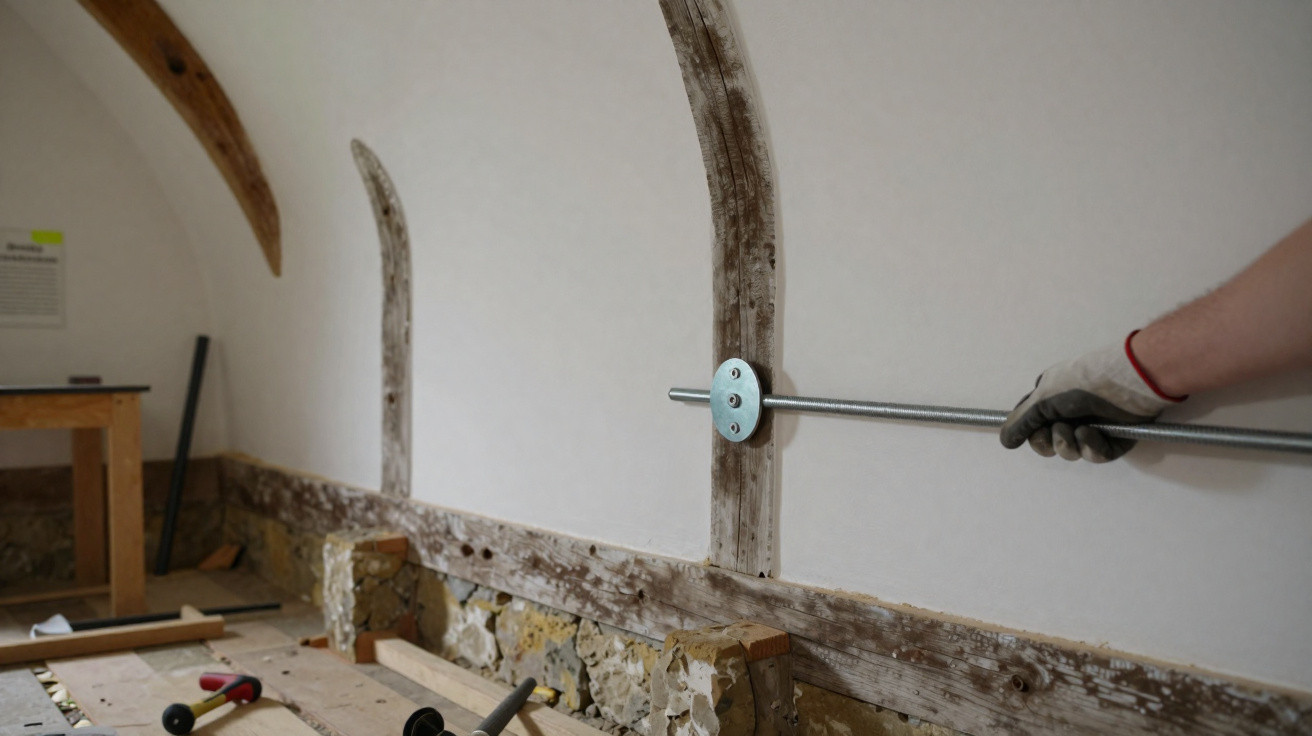
Internal wall insulation places a layer between the room and existing masonry. That can reduce the room’s connection to the wall’s thermal mass. The effect varies by property, insulation system and how the room is used, but it is worth considering in an older solid-walled home.
A similar consideration can apply when a solid floor is insulated. It may be an important upgrade for winter comfort, but it changes how the room interacts with the ground and the structure beneath it. The answer is not to reject floor insulation; it is to assess it alongside wall, roof, window and ventilation work.
Upgrades that need joined-up design
1. Internal wall insulation in older homes
Internal wall insulation can be the most practical option where external changes are restricted by planning rules, a narrow boundary, shared ownership or the appearance of the building. It can make rooms more comfortable in winter, but needs careful design.
Older brick and stone walls often need to manage moisture differently from newer cavity walls. Poor detailing can leave cold bridges, trap moisture or create condensation risks. A competent designer should consider the wall’s condition, rain exposure, existing damp problems and the suitability of materials before work begins.
For rooms prone to summer heat, ask how the proposal accounts for reduced access to thermal mass and whether shading or night ventilation should form part of the package.
2. Loft insulation and hot top-floor rooms
Loft insulation is commonly a sensible improvement, but it will not cure a converted loft that already overheats. Rooflights, south- or west-facing windows, dark roof finishes and limited ventilation can make top-floor rooms difficult in hot weather.
External blinds or shutters designed for roof windows can reduce solar gain more effectively than internal blinds alone. Safe opening options, secure night ventilation and suitable shading should be discussed before the work is signed off.
3. Airtightness without ventilation
Reducing uncontrolled draughts can save energy and improve comfort. Blocking purpose-made vents, airbricks or extract routes without a designed alternative can lead to poor air quality, condensation and moisture problems.
Ventilation should be deliberate rather than accidental. Keep required background and extract ventilation, and make sure new fans or mechanical systems are properly installed, tested and explained to the household.
External insulation and the building fabric
External wall insulation puts the insulating layer on the outside of the original wall. In broad terms, this allows masonry to remain within the insulated part of the building, where it can still help moderate indoor temperature changes.
It can therefore be a strong option for winter efficiency and summer comfort in some solid-walled properties. But it is not automatically appropriate. It may alter the building’s appearance and require adjustments to eaves, rainwater pipes, window reveals, service cables and ground levels.
Planning permission, listed building consent, freeholder approval or neighbour agreements may also be needed, particularly for flats, terraces and homes in conservation areas. Check requirements before committing to designs or deposits.
If external insulation is not feasible, internal insulation can still be suitable. The important point is to address the rest of the heat strategy at the same time.
Check how your home behaves in warm weather
Before commissioning major work, build a simple picture of what happens during the next mild or hot spell. A few basic indoor thermometers can be useful, especially if readings are taken at different times over several days.
Make notes on:
- the rooms that become hottest and when they do so;
- direct sun through east-, south- and west-facing windows;
- whether bedrooms cool overnight when windows are opened safely;
- roof rooms, conservatories and glazed extensions, which may behave differently from the rest of the house;
- existing shade from trees, awnings, shutters, blinds or deep eaves;
- signs of damp, leaks, damaged gutters or high external ground levels.
Do not assume that a room which feels cold in February offers no advantage in July. Thick masonry, shaded elevations and heavy floors can all influence comfort, depending on the house and weather conditions.
Questions for your assessor or installer
Ask for clear answers in writing, particularly where several measures are being installed together.
- How will the complete package affect summer temperatures as well as heating demand?
- Is the advice based on my home’s construction and orientation, or mainly on standard assumptions?
- How will direct solar gain through the hottest windows be controlled?
- What ventilation will remain, and how will it be tested after installation?
- Can the home safely purge heat overnight during warm weather?
- Are there moisture or condensation risks in the proposed wall or floor build-up?
- Would an overheating assessment be sensible for this project?
- What maintenance will shading, fans or ventilation systems need?
For substantial projects, seek advice from a suitably qualified retrofit professional with experience of your type of building. For traditional properties, practical knowledge of older, moisture-sensitive construction is especially valuable. PAS 2035 may be relevant for work carried out through certain funded retrofit schemes, but it does not remove the need for project-specific judgement.
Common mistakes that can create an accidental oven
- Choosing measures only because they improve an EPC rating.
- Installing internal wall and floor insulation together without discussing summer comfort.
- Replacing windows while overlooking external shading.
- Relying entirely on internal curtains to stop strong sun after it has passed through the glass.
- Sealing vents or airbricks without a designed replacement ventilation route.
- Ignoring existing leaks, damp or defective rainwater goods before insulating walls.
- Treating a conservatory or large glazed extension as though it performs like the original house.
- Assuming more insulation is always better, regardless of detailing or the wider design.
The best renovation is not the one with the longest list of products, but the one that works with the building in every season.
Low-cost measures to plan now
External shading generally stops more solar heat than internal blinds because it intercepts sunshine before it reaches the glass. Depending on the property and permissions, this might include awnings, external shutters, purpose-made external blinds or carefully fixed shade sails.
On hot days, close curtains and blinds on the sunny side of the home. Keep windows shut where outdoor air is hotter than indoors, then ventilate in the evening or early morning when temperatures drop. Cross-ventilation is most effective when air has a clear route through the home.
Take care with open windows. Do not compromise security, leave ground-floor windows open unattended, block escape routes or interfere with required ventilation. Portable fans may improve comfort, but they do not lower the room’s air temperature. Keep them away from water and loose fabrics, and avoid overloading extension leads.
Plan for July as well as January
Making an inefficient home warmer and less costly to heat remains worthwhile. The point is not to avoid insulation, but to insist on a plan that considers summer as well as winter.
Before work starts, look at insulation, windows, shading, ventilation and moisture management together. A renovation that keeps heat in when needed, limits unwanted sunshine and lets the building cool safely during a British heatwave is far more likely to feel like an improvement all year round.
















Comments
No comments yet. Be the first to comment!
Leave a Comment