A visit to a furniture shop is often when people realise how quickly a beautifully furnished home can drain their bank account. Yet no one has to live in a bare, uninspiring flat. Anyone willing to spend weekends browsing flea markets and yard sales can uncover remarkably stylish vintage finds, often for less than €10 per item.
Why flea markets are a hidden goldmine for home décor
For décor enthusiasts, flea markets, house-clearance sales and second-hand shops are rather like a secret wholesale source for one-off pieces. Rather than buying the same mass-produced items from major furniture chains, you can find objects with a past – and that history is precisely what gives them their appeal.
“Anyone who shops cleverly can style an entire corner of their home for €30 to €40 so that it looks as though an interior designer has been at work.”
Many interior design and set-design professionals readily admit that they shop at flea markets regularly. This is where they discover the combination that makes contemporary homes interesting: patina, signs of use, unusual silhouettes and authentic materials such as wood, brass and ceramic.
Under €10: vintage pieces that instantly transform your home
Natural-material baskets – storage that does not look like storage
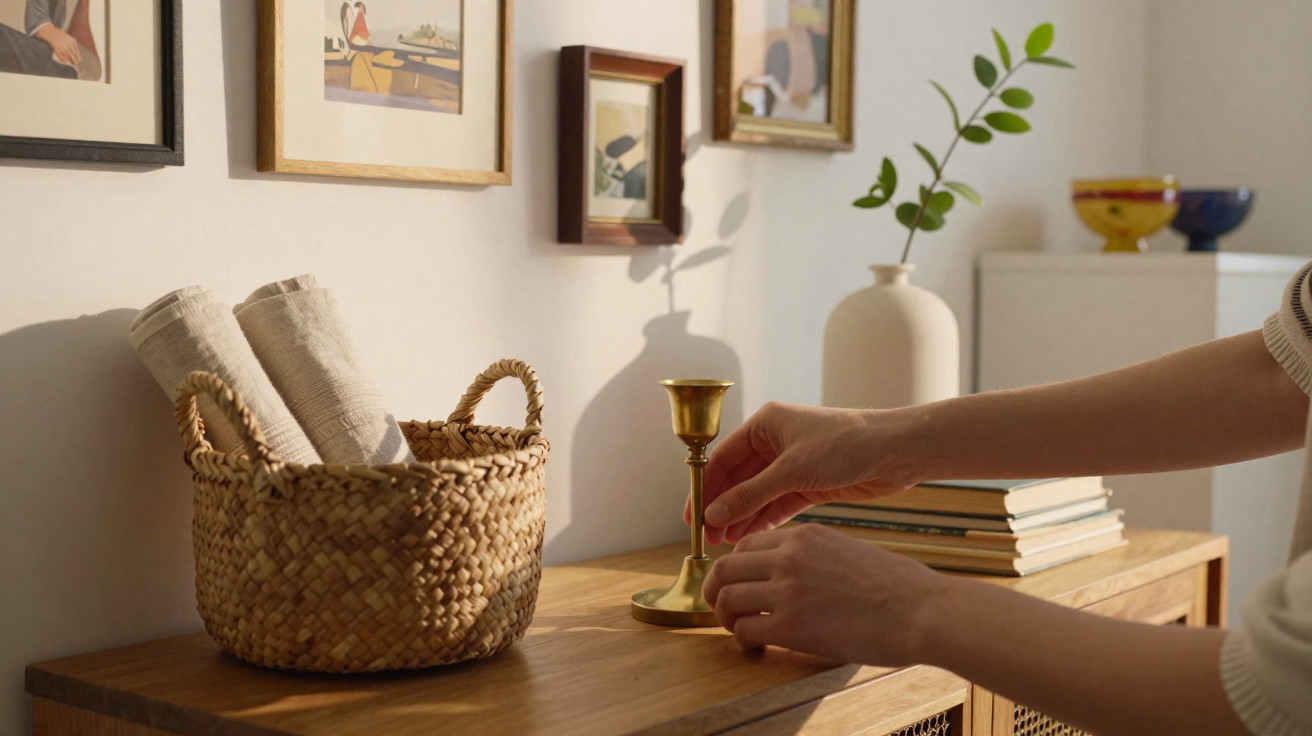
One of the easiest styling tricks is to use baskets made from rattan, raffia or seagrass. They can be found on many stalls for just a few euros, often well below €10.
- as a laundry basket in the bathroom or bedroom
- for throws and cushions beside the sofa
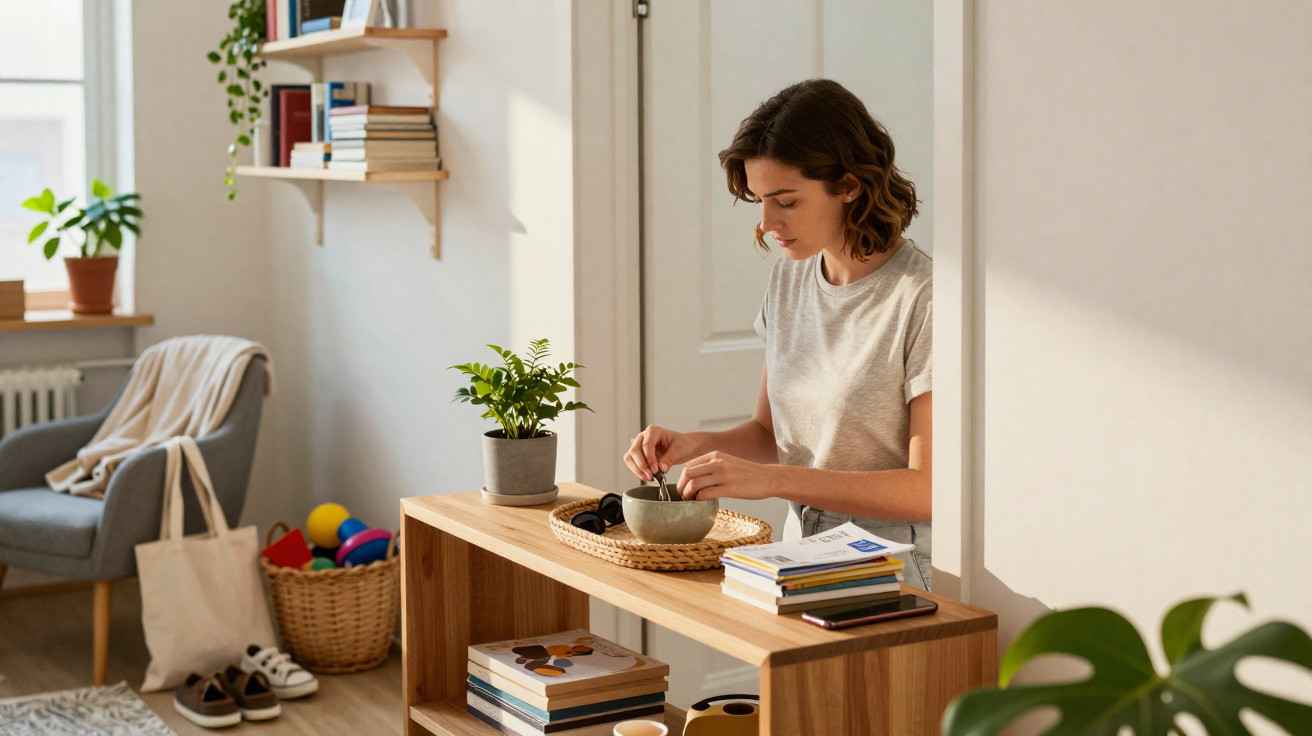
- for piles of post, magazines or children’s bits and pieces in the hallway
- as a plant pot cover
The result is less visible clutter and more order, while the warm natural tones immediately make the room feel cosier.
Brass candleholders: small objects, major impact
Brass candleholders are particularly sought after. They can easily cost €20 or more in shops, whereas flea-market examples are sometimes priced at €3 to €8.
They work well on:
- a narrow wall shelf
- the dining table
- a bedside table
- a windowsill
Add dinner candles in muted shades to create an elegant atmosphere without making the décor feel overpowering.
Hardback books: not reading material, but decorative stacks
Hardback books with linen or textured covers are increasingly used as decoration. Their contents are secondary; their appearance is what matters. At flea markets, they can sometimes be bought for as little as €1 each.
Typical places to use them include:
- stacked on a console table near the door
- beneath a table lamp to add height and presence
- as a plinth for a vase or sculpture
- grouped by colour on a shelf to create a calm block
“Three to five attractive old books can turn a dull corner into a small, carefully arranged still life.”
Picture frames with character instead of generic décor
Solid wooden frames, old embellished metal frames or slightly tarnished glazed frames can be expensive in shops but are often bargains at flea markets. Many high-quality frames cost less than €10.
They become especially interesting when you use more than photographs. Consider:
- pressed, dried flowers
- a piece of fabric in an attractive pattern
- old postcards or handwritten letters
- a section of an old street map
Arrange several small frames as a mini gallery wall above a desk or in a hallway. It makes the space feel more personal without requiring a large outlay.
Glass, ceramics and porcelain: a table set like a boutique restaurant
Many people underestimate how much tableware and glassware influence the feel of a home. Flea markets are full of individual pieces that can be deliberately mixed together.
Ceramic vases, jugs and bowls
Ceramic pieces from past decades are popular because they often feature unusual shapes and glazes. Similar items can quickly cost €40 or more in trend-led shops, but may be only €5 to €8 at a flea market.
They can be used for:
- a single branch or a few grasses
- as a focal object without flowers
- serving water in a jug on the dining table
- holding pens in a home office
Glasses, bowls and dessert dishes
Old wine glasses, coloured water glasses and cut-glass dessert bowls instantly give a table a different character. If you do not need everything to match, deliberately combine different sets.
“A mixed set of flea-market glasses almost always gives guests something to talk about – and looks more individual than any standard range.”
Small glass bowls are useful too: for snacks, jewellery, keys or as holders for tealights.
How to find the best vintage flea-market pieces without searching for hours
Flea markets can feel overwhelming, with too many stalls and too much stuff. A loose plan makes the search considerably quicker.
| Item category | What to check | Typical price range |
|---|---|---|
| Baskets | sturdy handles, no broken sections | €2–€8 |
| Candleholders | stable base, no sharp edges | €3–€10 |
| Books | clean covers, harmonious colours | €1–€5 |
| Picture frames | intact glass, backing closes securely | €2–€10 |
| Vases/ceramics | check for cracks, ensure the base is level | €3–€10 |
Negotiating without feeling awkward
Gentle price negotiation is part of the experience at many markets. Staying friendly gives you a better chance of success.
- Always ask for the price first rather than immediately trying to bargain it down.
- Offer a combined price when buying several items.
- Mention minor flaws without disparaging the item.
- Bring enough cash in small notes.
Many sellers are pleased when their belongings go to a good home instead of returning to the cellar. That can often work in your favour when discussing the price.
How to combine vintage finds without making them look “dated”
The biggest mistake when decorating with flea-market finds is displaying too much at once. A few carefully positioned pieces have far more impact.
Useful rules of thumb:
- Limit each room to one or two striking vintage pieces and keep the rest simple.
- Echo colours: repeat a shade from an old book spine in cushions or a rug.
- Keep the material mix restrained: for example, wood, brass and glass rather than seven different looks.
- Leave some surfaces empty so that the special pieces can stand out.
“Vintage does not have to resemble a museum – when combined thoughtfully, it feels modern, warm and high-quality.”
What to look for when buying second-hand pieces
The prices may be appealing, but a quick inspection prevents disappointment:
- Do a smell check: it is best to leave behind items that smell strongly musty or damp.
- Inspect surfaces: chipped areas may add character, but sharp edges do not.
- Check stability: only buy wobbly chairs or unstable shelving if you can repair them.
- With metal items, check whether rust is merely superficial or affects their structural integrity.
If you are unsure, begin with low-risk categories such as books, baskets and vases. Mistakes with these items are rarely serious.
Making more from small budgets: décor as an ongoing process
A home can be furnished gradually. One month, buy a basket and a candleholder; the next, choose two beautiful books and a frame. This spreads the cost while still changing your home step by step.
Many people develop a better eye for proportions, colours and materials along the way. Choosing deliberately instead of buying décor sets at random from a furniture shop ultimately creates a home that reflects your own stories – rather than one that looks identical in every catalogue.

Comments
No comments yet. Be the first to comment!
Leave a Comment