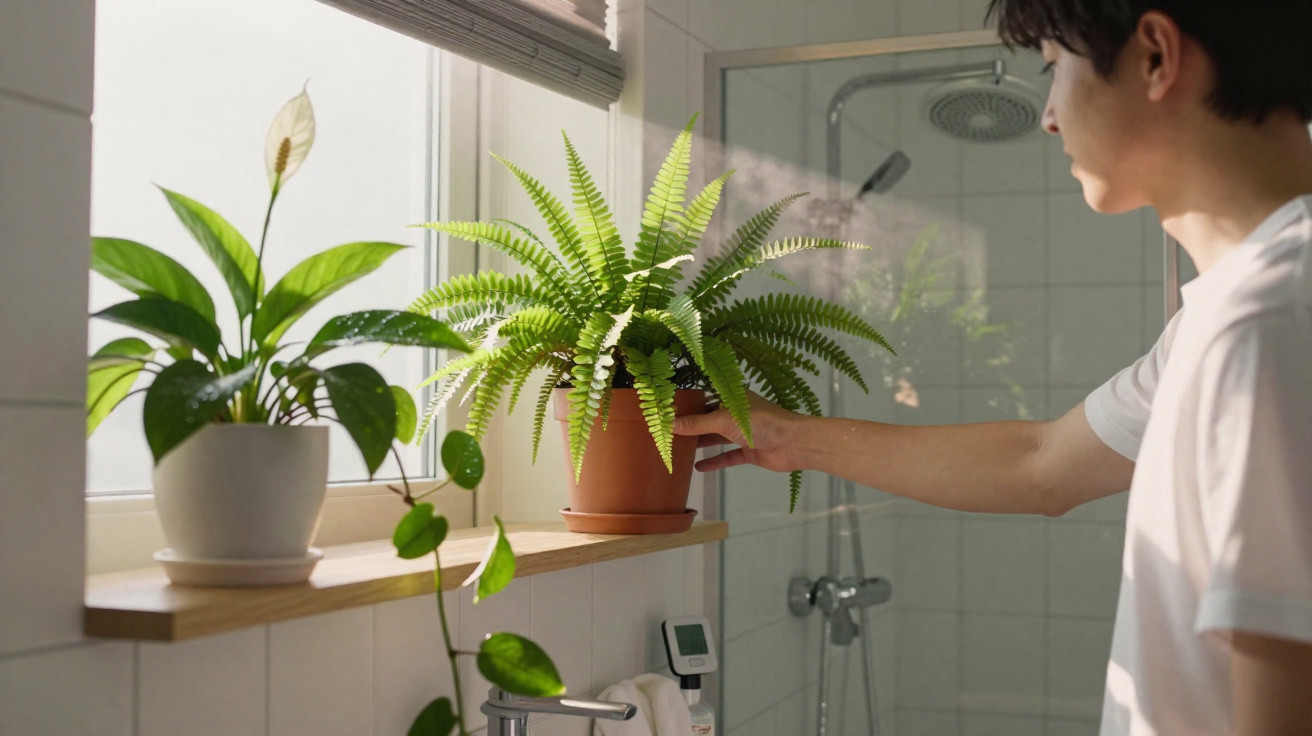
Keeping a plant in the bathroom is a natural way to support humidity control while making the room more pleasant. Tropical varieties generally cope well with shower steam and can take in some of the water in the air, although they are no replacement for ventilation, cleaning or fixing leaks.
Why can plants help in humid rooms?
Certain plants take up small amounts of moisture through their leaves and use this water in their natural processes. As many originate in tropical forests, they are better suited to the steam, warmth and indirect light found in some bathrooms.
Their impact on a room’s humidity is limited, so a plant pot should be viewed as a helpful addition rather than a dehumidifier. A plant may be beneficial alongside other measures:
- Opening the window after showering;
- Using an extractor fan to remove steam;
- Drying the walls and shower enclosure;
- Repairing leaking taps, pipes and grout;
- Washing bath mats and shower curtains regularly.
Which plants are best suited to the bathroom?
The right choice will depend on available light, space and how often it is watered. Plants that withstand humidity and indirect light usually adapt more successfully:
- Snake plant, suitable for areas with limited light;
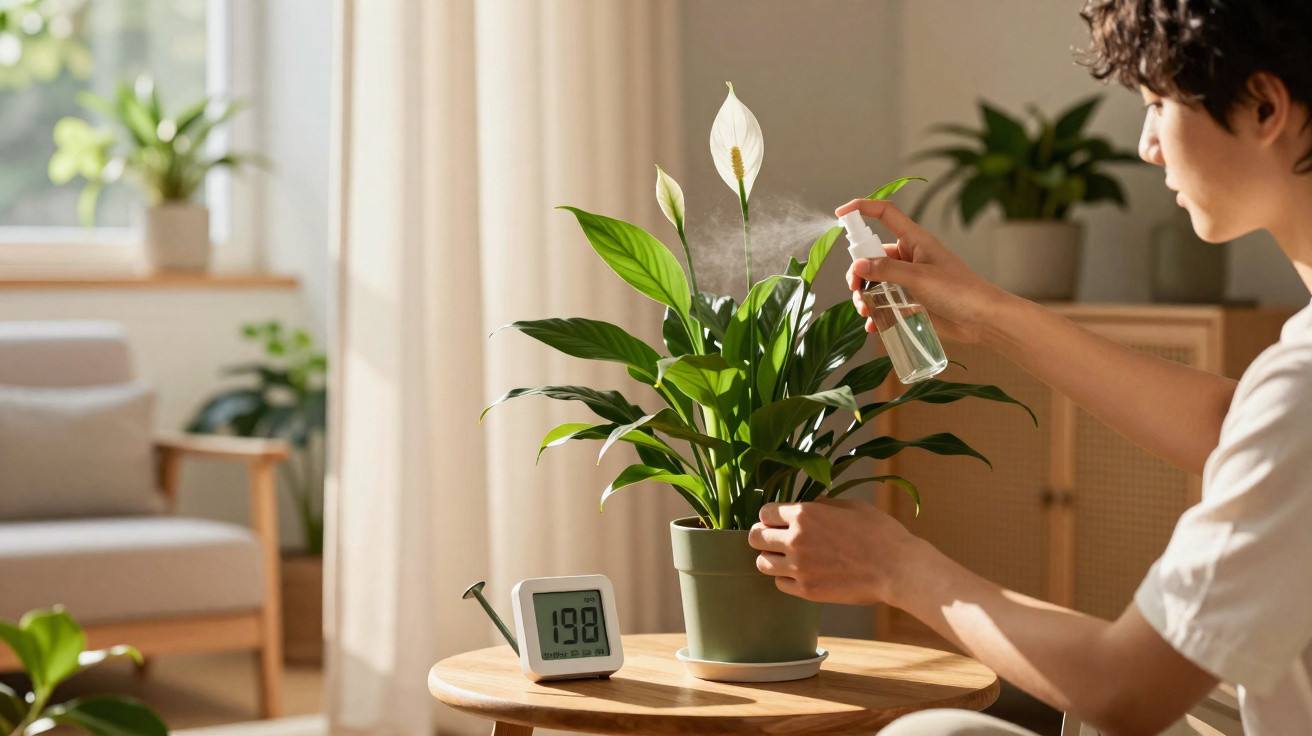
- Peace lily, which favours indirect brightness and slightly moist soil;
- Fern, suited to humid, well-ventilated spaces;
- Orchid, recommended for bright spots without strong direct sunlight;
- Ivy, which can be grown in hanging pots;
- Aloe vera, provided it receives light and the growing medium is watered sparingly.
Where should you place the pot to prevent issues?
Place the pot near a source of natural light, but away from the shower spray and anywhere it could fall. Sturdy shelves, worktops and hanging supports help keep the foliage ventilated and prevent water from pooling around the container.
Using a pot with drainage is equally important, as is emptying excess water from its saucer. Growing medium that stays waterlogged can encourage fungal growth, cause unpleasant smells and increase moisture in the very space you are trying to keep dry.
What actually prevents mould from forming?
Mould develops when surfaces remain damp for extended periods. Reducing the risk requires controlling steam and helping the room dry faster after every shower:
- Run the extractor fan while showering and leave it on afterwards;
- Keep doors and windows open where it is safe to do so and there is outdoor airflow;
- Use a squeegee on the shower enclosure, tiles and floor;
- Avoid leaving damp towels piled up in the room;
- Use a hygrometer to monitor air humidity;
- Investigate marks that return even after cleaning.
Ventilation remains the main safeguard
Keeping relative humidity below 60%, fixing leaks and allowing air to circulate are more effective ways to prevent fungal growth. Extractor fans, windows and dehumidifiers remove an amount of steam that no houseplant can absorb on its own.
A plant that tolerates humidity can decorate the room and complement these measures, as long as its pot does not stay waterlogged. If walls remain damp, grout becomes dark or the smell of mould returns, the priority should be to find the source of the water and improve how quickly the room dries.









Comments
No comments yet. Be the first to comment!
Leave a Comment