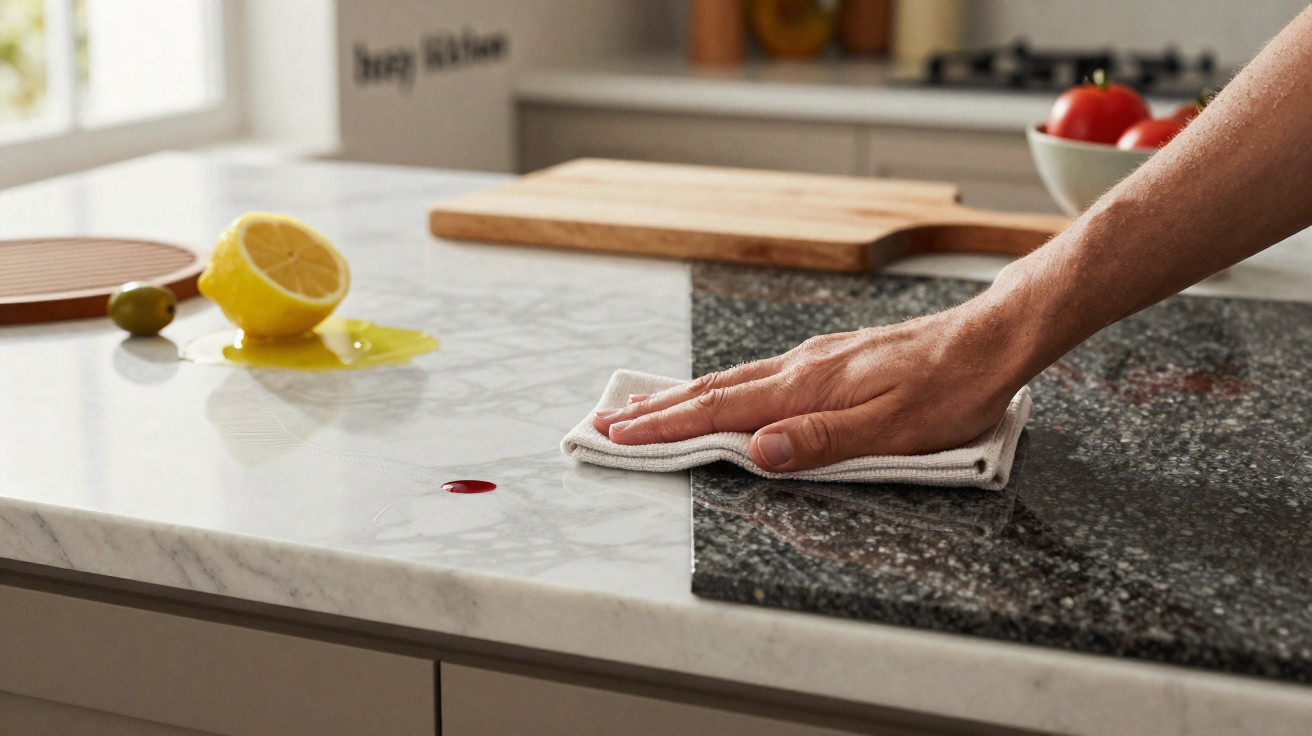
A marble worktop can make a kitchen feel calm, luxurious and timeless - until lemon juice, red wine or tomato sauce leaves a mark that will not simply wipe away. The key point is not that marble is a poor-quality material, but that it can be demanding in a kitchen used for daily cooking.
For a main preparation surface, engineered quartz and granite are often easier options to compare. Both can provide a pale, veined or richly textured finish, while requiring less vigilance around spills. The best choice depends on how you cook, how much maintenance you are willing to do and the exact product you choose.
Why marble can be difficult in a kitchen
Marble is made largely of calcium carbonate. Acidic foods and drinks, including lemon, vinegar, tomatoes and wine, can react with its surface and leave a dull patch known as etching.
Etching is not the same as staining. A stain has soaked into the material, whereas etching alters the surface finish. On polished marble, it can appear as a cloudy area that catches the light differently.
Marble can also absorb liquids to varying degrees. Sealant can slow absorption, but it does not make the stone stain-proof or protect it from etching. Oils, coloured drinks and strongly pigmented foods should still be wiped up promptly.
A kitchen worktop needs to suit the way you cook, not only the way it looks in a showroom.
Some people actively like marble’s softened, lived-in appearance. But if you want a consistently pristine surface after years of family meals, baking and entertaining, it may prove frustrating.
Two practical alternatives to consider
1. Engineered quartz for a consistent finish
Engineered quartz worktops are usually made from mineral particles, resins and pigments. They are widely available from UK kitchen suppliers in plain colours, speckled finishes and marble-effect designs.
Their practical advantages include:
- Low absorbency compared with many natural stones.
- Good resistance to routine food staining when spills are cleaned promptly.
- Consistent colour and pattern across larger installations.
- Straightforward cleaning with warm water, a soft cloth and mild washing-up liquid.
Quartz can suit a busy household that likes the appearance of pale marble but wants a less complicated care routine.
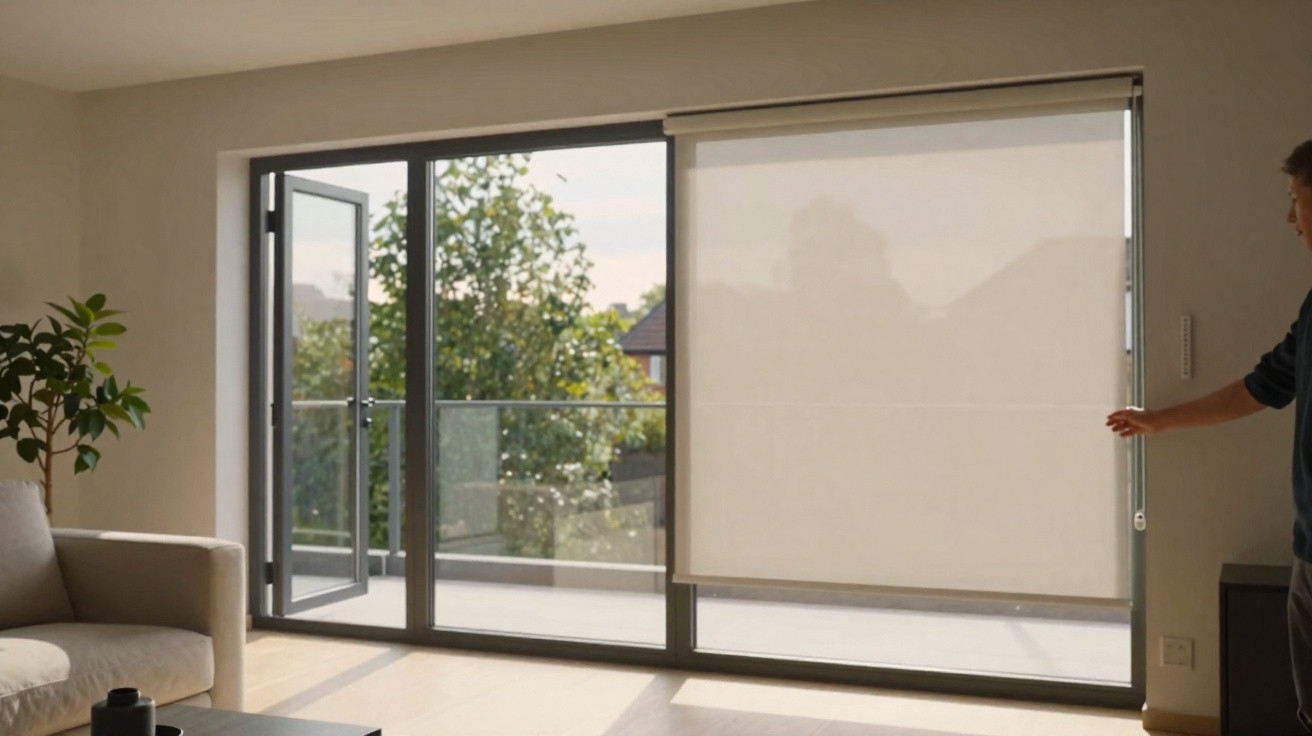
It is not, however, a surface for placing hot pans or roasting tins straight from the oven. Resin-containing materials can be damaged by intense or sudden heat, so use trivets and heatproof mats. Ask the supplier about UV suitability too if the worktop will receive strong sunlight through large south-facing windows or doors.
2. Granite for natural variation
Granite is a natural igneous stone. It is generally harder and less acid-sensitive than marble, although its performance varies between slabs and finishes.
Granite may appeal if you want:
- A natural material with depth and variation.
- A darker or more patterned surface that hides crumbs and minor marks.
- A worktop with good resistance to everyday wear.
- The option of resealing when the surface needs it.
Granite is not maintenance-free. Some varieties are more absorbent than others, and many suppliers recommend sealing. Before ordering, ask whether your chosen slab has been sealed, which product is suitable for future maintenance and what care routine the fabricator recommends.
Compare the actual slab, not just a sample
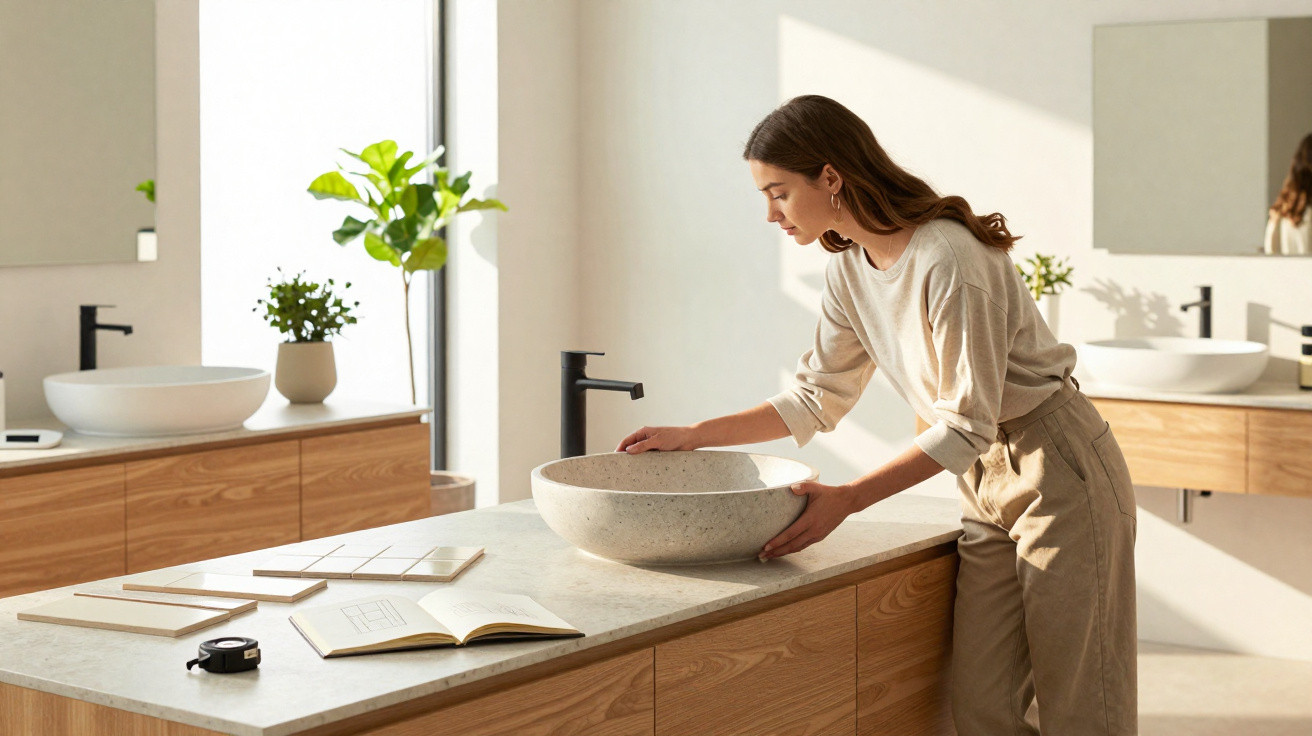
A small showroom sample rarely tells the whole story. Take samples home where possible, then look at them in daylight, under your kitchen lighting and beside cabinet doors, paint colours and flooring.
| Question | Marble | Engineered quartz | Granite |
|---|---|---|---|
| Acidic food spills | Can etch easily | Usually tolerates routine spills if wiped promptly | Generally more tolerant than marble |
| Hot pans and trays | Avoid thermal shock | Use a trivet | Use care; a trivet is still sensible |
| Sealing | Usually needed | Usually not needed | Often recommended |
| Appearance | Natural veining | Controlled or marble-effect pattern | Natural flecks, veins and movement |
| Typical appeal | Decorative, characterful spaces | Low-fuss everyday kitchens | Durable natural-stone look |
This is a guide rather than a guarantee. Polished, honed and textured finishes can show marks differently, and each manufacturer or stone supplier should provide care instructions for the exact material being installed.
Other surfaces worth asking about
Sintered stone and quartzite are also worth discussing before you make a final decision.
Sintered stone is a manufactured mineral surface. Depending on the product, it can offer strong resistance to heat, scratching and staining. It may suit keen cooks who want a slim, contemporary worktop, but it can be expensive and requires an experienced fabricator, particularly around cut-outs and edges.
Quartzite is a natural stone, despite its easily confused name. Many quartzites are suitable for kitchens, but not every slab sold under that label performs in the same way. Confirm the stone’s identity, finish, sealing needs and written care advice before committing.
Match the worktop to your habits
Ask yourself a few practical questions before ordering:
- Do you cook regularly with citrus, vinegar, tomatoes or wine?
- Will children make drinks and snacks on the island?
- Do you often put down hot pans or baking trays?
- Are you happy to maintain and reseal natural stone?
- Do you prefer a perfectly matched pattern or natural variation?
- Will the surface receive prolonged direct sunlight?
For a pale kitchen that is used heavily every day, engineered quartz or a suitable sintered surface may be the easier option. If you value natural character and accept some maintenance, granite can be an appealing compromise.
If marble’s veining is what you love most, consider a marble-effect worktop and reserve real marble for a lower-risk feature.
Sealant gives you more time to deal with a spill; it does not make a sensitive stone maintenance-free.
Where real marble may work better
Marble has not disappeared from interiors. It can simply be better suited to locations that are not constantly exposed to food acids, cookware and food preparation.
Possible uses include:
- A fireplace surround or chimney-breast detail.
- Wall cladding or shelving.
- A dining-room sideboard top.
- An occasional table.
- A decorative splashback away from the busiest preparation area.
Marble can also be used in bathrooms, but it still needs gentle care. Wipe away toothpaste, cosmetics and hair products promptly, and avoid limescale removers unless the stone supplier has confirmed that they are safe for the finish.
Common mistakes when buying a worktop
- Choosing from a tiny sample: View the full slab for natural stone, especially if it has dramatic veining.
- Assuming all stone behaves alike: Marble, granite, quartzite, engineered quartz and sintered stone have different limitations.
- Ignoring edge details: Deeply shaped edges can be harder to clean and repair than a simple eased edge.
- Overlooking cut-outs: Sink and hob cut-outs need suitable support and careful planning with the fabricator.
- Using the surface as a chopping board: Even hard materials can scratch, chip or blunt knives.
- Treating sealant as total protection: It reduces absorption; it does not stop etching or make spills harmless.
Cleaning and installation safety
For everyday cleaning, use a soft microfibre cloth, warm water and a pH-neutral cleaner approved for your particular surface. Avoid abrasive pads, oven cleaner and strongly acidic or alkaline products unless the manufacturer specifically permits them.
Never mix bleach with vinegar, limescale remover, ammonia or other cleaning products. Dangerous fumes can result. Keep cleaners in their original containers and ventilate the room while cleaning.
Worktop fabrication also needs care. Cutting stone, engineered quartz and sintered materials can create hazardous dust, including respirable crystalline silica in some products. This is work for competent professionals using appropriate dust-control methods, not an indoor DIY task.
A practical final decision
Marble can be beautiful, but a kitchen worktop has to cope with real life. For a space used daily for packed lunches, family dinners and baking, engineered quartz or granite may offer a more relaxed experience.
Take cabinet and paint samples to the supplier, view full slabs where possible, request written care guidance and ask the fabricator to explain joints, cut-outs and sealing before paying a deposit. A surface that suits your routine is more likely to keep looking good because you will feel comfortable using it.









Comments
No comments yet. Be the first to comment!
Leave a Comment