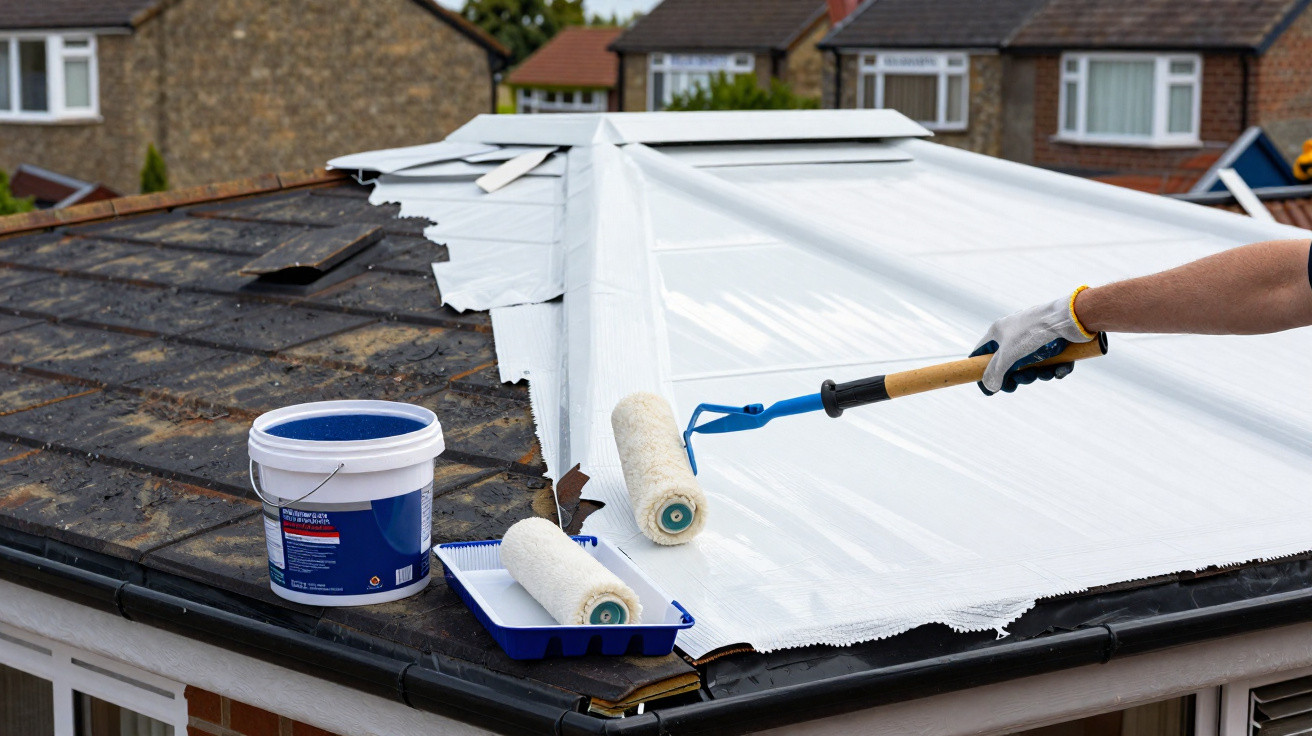
A top-floor bedroom, loft conversion or flat-roof extension can become uncomfortably hot long after the sun has moved round. The roof absorbs heat all day, then releases it into the rooms below just when you are trying to sleep.
A reflective, usually white, roof surface can reduce that heat build-up by bouncing more sunlight away. It is not a case of buying ordinary paint and covering every roof in sight, however. For a sound, suitable flat roof that is already due for repair or renewal, a purpose-made reflective finish may be one useful part of a wider plan to keep a home cooler.
What a white roof can – and cannot – do
The claim in the headline points to a simple principle rather than a guaranteed result: darker roof surfaces generally absorb more solar energy than pale, reflective ones. If less energy is absorbed at roof level, less heat may pass into the building beneath.
How much difference this makes depends on the property. A large, unshaded flat roof above a poorly insulated top-floor room is very different from a well-insulated pitched roof with a ventilated loft. Window size, external shading, ventilation, occupancy and the weather all matter too.
A reflective roof is most likely to help during bright, warm spells, particularly on:
- flat roofs over bedrooms, kitchens or living spaces;
- single-storey extensions and garden rooms;
- converted garages with shallow roofs;
- workshops and other buildings with broad, exposed roof areas;
- roofs that receive prolonged sun from the south, east or west.
It will not repair leaks, replace insulation or make a poorly designed room comfortable in every heatwave. It should be considered as part of a building-maintenance decision, not as a quick decorating job.
The aim is to reduce heat before it enters the home, rather than trying to remove it later.
Why reflective surfaces stay cooler
Sunlight carries energy. A dark roof membrane, tile or metal sheet absorbs a larger share of that energy and becomes hot. Some heat is then transferred into the roof structure and rooms below.
A purpose-made cool-roof coating or membrane is designed to reflect more of the sun’s energy. White is common, but the important detail is the performance of the complete roofing system, not simply the colour shown on a paint chart.
Product specifications may refer to solar reflectance or a reflective finish. These figures can be useful when comparing compatible systems, but they do not tell you on their own whether a product is suitable for your roof. A coating must also cope with water, ultraviolet light, roof movement, drainage and the existing substrate.
In the UK, summer overheating is increasingly relevant even though homes are built to cope with cool, damp winters. Bedrooms beneath roofs can become particularly difficult during hot spells, when keeping windows open may not be practical because of noise, security or pollen.
First, decide whether your roof is suitable
A reflective finish is generally easiest to specify for a flat roof with a sound, compatible surface. It may form part of refurbishment for certain bituminous, single-ply or liquid-applied roof systems.
Pitched roofs need more caution. Do not paint ordinary tiles with standard exterior masonry paint in an attempt to create a cool roof. It may trap moisture, interfere with the way the roof weathers, look patchy over time and invalidate warranties. A lighter-coloured replacement covering may be possible, but this is a decision for a competent roofer and, where necessary, a conservation specialist.
Before committing, check the following.
- Roof condition: Coatings do not solve failed flashings, cracked membranes, rotten decking or ponding water.
- Compatibility: Confirm in writing that the proposed primer and coating are suitable for the existing roof material.
- Insulation and ventilation: These can be more important than surface colour, especially for winter comfort and condensation control.
- Planning and property restrictions: Listed buildings, conservation areas, leasehold terms and estate rules may limit visible changes.
- Existing or planned solar panels: Roof renewal is often easier before panels are fitted, or when removal and refitting is arranged by qualified installers.
Plan the work in the right order
1. Identify where the heat is coming from
Keep notes during warm weather. Record which rooms overheat, when the problem begins and whether the ceiling, windows or cooking appliances seem to be the main source.
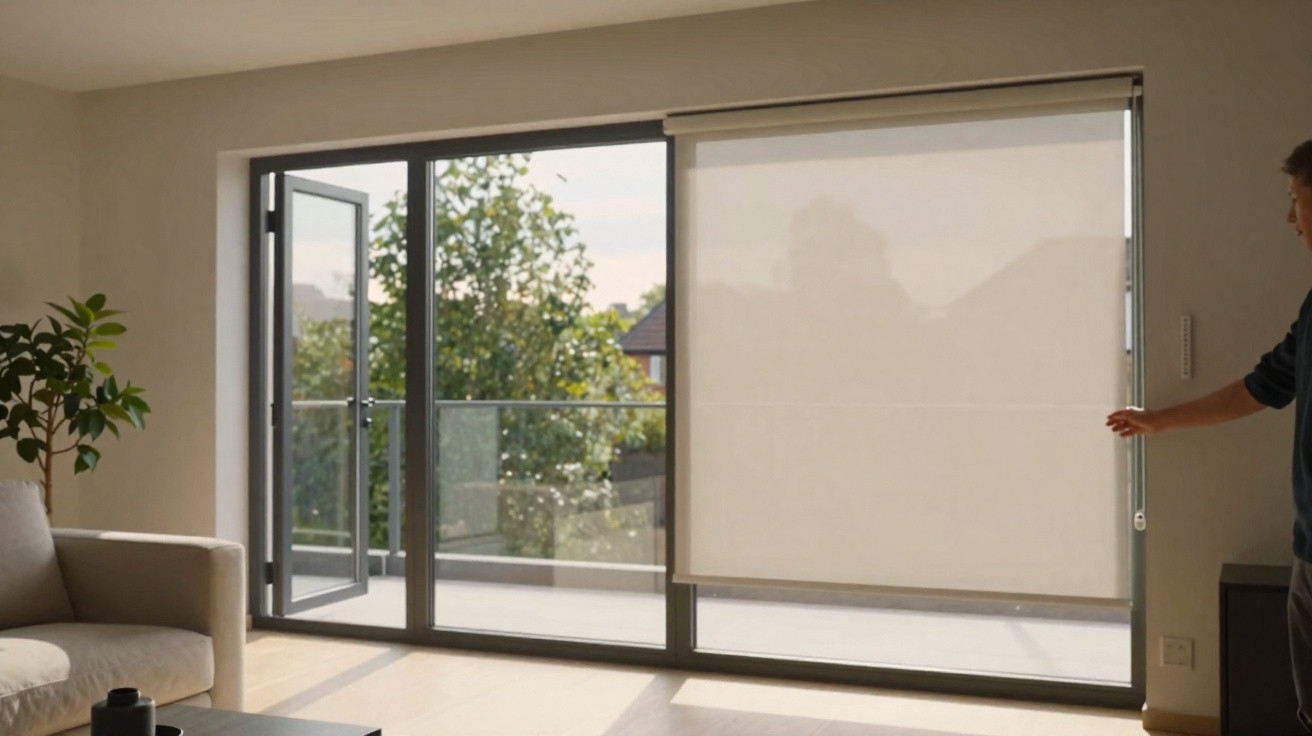
A west-facing room with large glazing may benefit as much from external shading as from roof work. Close blinds or curtains before direct sun reaches the glass, use shutters or awnings where appropriate, and ventilate securely overnight when outdoor temperatures fall.
2. Inspect, repair and improve drainage
Ask a reputable roofing contractor to inspect the roof before any coating is chosen. They should check edges, joints, outlets, flashings, rooflights and signs of trapped moisture.
A coating applied over dirt, algae, loose material or damp patches is far more likely to fail. Equally, do not cover an active leak in the hope that a fresh layer will seal it. Water within the roof build-up can cause damage and may lead to blistering later.
3. Specify a roof system, not a tin of paint
The manufacturer’s data sheet should cover the substrate, preparation method, primer, coverage rate, application temperatures, drying time and future maintenance. It should also state whether the system is suitable for standing water or only roofs with effective drainage.
A good specification considers waterproofing, UV resistance, durability and safe access for future maintenance as well as reflectivity.
4. Compare the whole job
The coating itself may be only one part of the cost. Access equipment, cleaning, repairs, primer, detailing around vents and rooflights, and safe working arrangements can all be significant.
If a roof is reaching the end of its serviceable life, renewal with a reflective membrane or finish may be more sensible than coating a surface that will soon need replacing. Ask for a written scope of work, including repairs, products, exclusions and warranty terms.
Cool roof, green roof or solar panels?
These options are not automatically alternatives. The best choice depends on the roof structure, its condition, local constraints and what you want it to do.
A cool roof is usually relatively light and aims to reduce solar heat gain through reflection. It can be a practical option where a roof already needs refurbishment.
A green roof may support biodiversity and slow rainwater run-off, while also shading the waterproof layer. But it adds weight and requires a suitable structure, drainage, waterproofing design and ongoing care. It is never just a matter of placing soil on an existing roof.
Solar panels generate electricity and shade the roof area beneath them. They can be valuable in a broader home-improvement plan, but they do not automatically solve overheating indoors. The roof’s structure, waterproofing and future access still need proper consideration.
Roof colour is one tool. Insulation, shading, ventilation and sound maintenance remain essential.
Common mistakes to avoid
- Using wall paint on a roof: It is not made for roof movement, UV exposure, water or detailed junctions.
- Treating white as proof of performance: A pale product may not be a suitable reflective roofing system.
- Ignoring standing water: Clear blocked outlets and address poor falls before coating work begins.
- Painting over moss, dirt or moisture: Preparation is vital for adhesion.
- Forgetting glare: A bright roof can reflect light towards neighbouring windows or taller buildings.
- Expecting the same benefit all year: Reflecting sun can also reduce some useful solar warmth in cooler months.
- Attempting unsafe DIY access: A low roof can still cause a serious fall.
Safety and maintenance
Roof work needs planned safe access, suitable edge protection and dry weather. Avoid working on wet, icy, windy or excessively hot roofs. Coatings and cleaning products may release fumes, so follow the product safety instructions and keep children and pets away from the work area.
Never mix cleaning chemicals. In particular, bleach must never be mixed with acids, vinegar or ammonia-containing products, as dangerous gases can form. Use only products approved for the roof material, follow the label precisely and avoid allowing contaminated wash-off into drains, ponds or watercourses.
After work is complete, inspect the roof periodically from ground level or another safe position. Keep gutters and outlets clear, and arrange a professional inspection after severe weather or if you spot peeling, damaged edges or signs of leaking.
A practical next step before summer
If your top floor regularly overheats, start with a roof inspection rather than a paint purchase. Note the roof’s age and material, photograph any visible defects from a safe location, and ask a reputable roofing contractor whether repair, insulation improvements or a compatible reflective system would make sense.
For a flat roof already scheduled for renewal, asking about a cool-roof specification is a sensible extra question. It may help reduce heat build-up in sunny weather, while leaving you with a properly maintained roof that is ready for the next British summer.














Comments
No comments yet. Be the first to comment!
Leave a Comment