If you are planning to refresh your home, it soon becomes clear how quickly the costs can mount up. Homeware shops, furniture retailers and online stores are full of attractive pieces – and equally steep prices. At the same time, interior designers and home décor bloggers are increasingly enthusiastic about second-hand finds, which are not only cheaper but often have more character than newly made items. The key is knowing what to look for first.
Why flea markets have become so appealing again
Flea markets, yard sales and bric-a-brac shops have shaken off their dusty reputation. Rather than rummaging through musty clutter, shoppers now hunt for one-off pieces that will not be found in every home décor chain. Many interior design professionals deliberately browse among the stallholders because that is where they discover objects with a story to tell.
“Those who search with purpose can pick up, for just a few pounds, exactly the pieces that others pay many times more for in an interiors shop.”
A clear plan makes all the difference: instead of buying at random, take a short list of categories that are particularly effective at transforming a room quickly. Some of these categories are surprisingly affordable, often costing less than £10 per find.
These affordable vintage pieces are worth seeking out first
Natural-material baskets: storage and styling in one
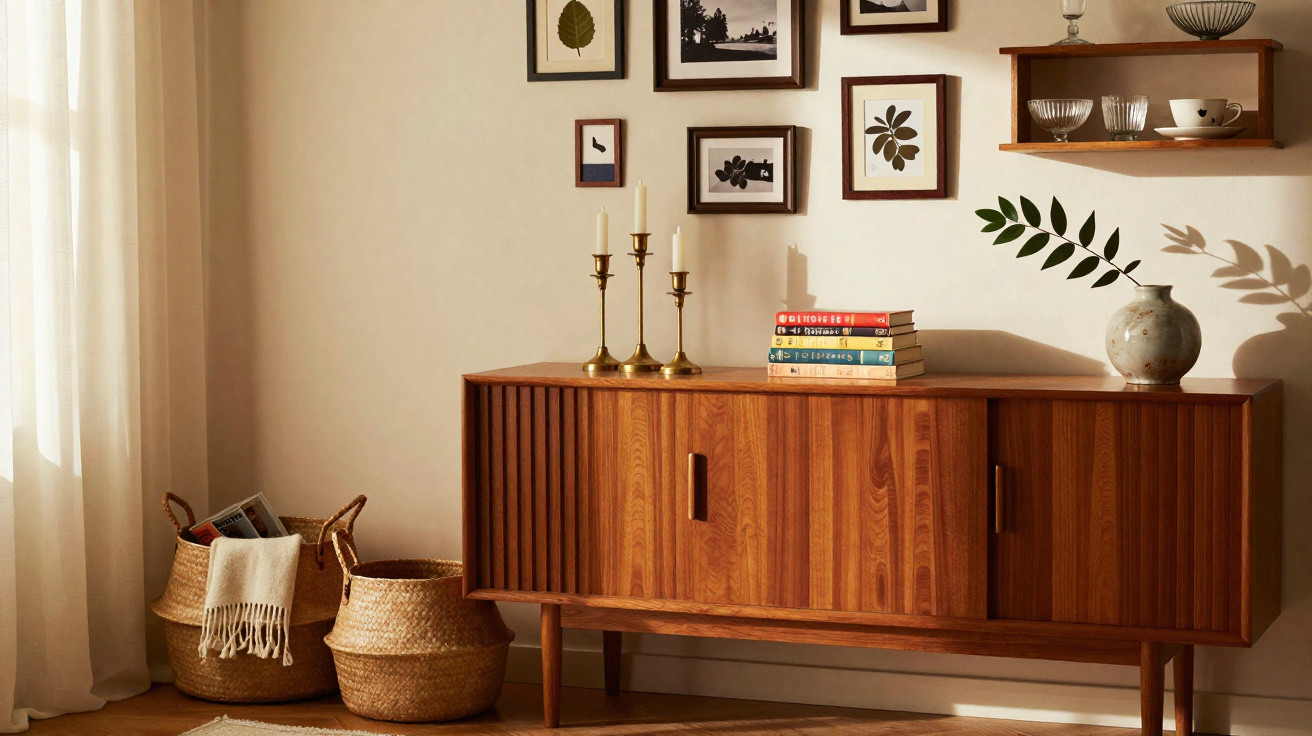
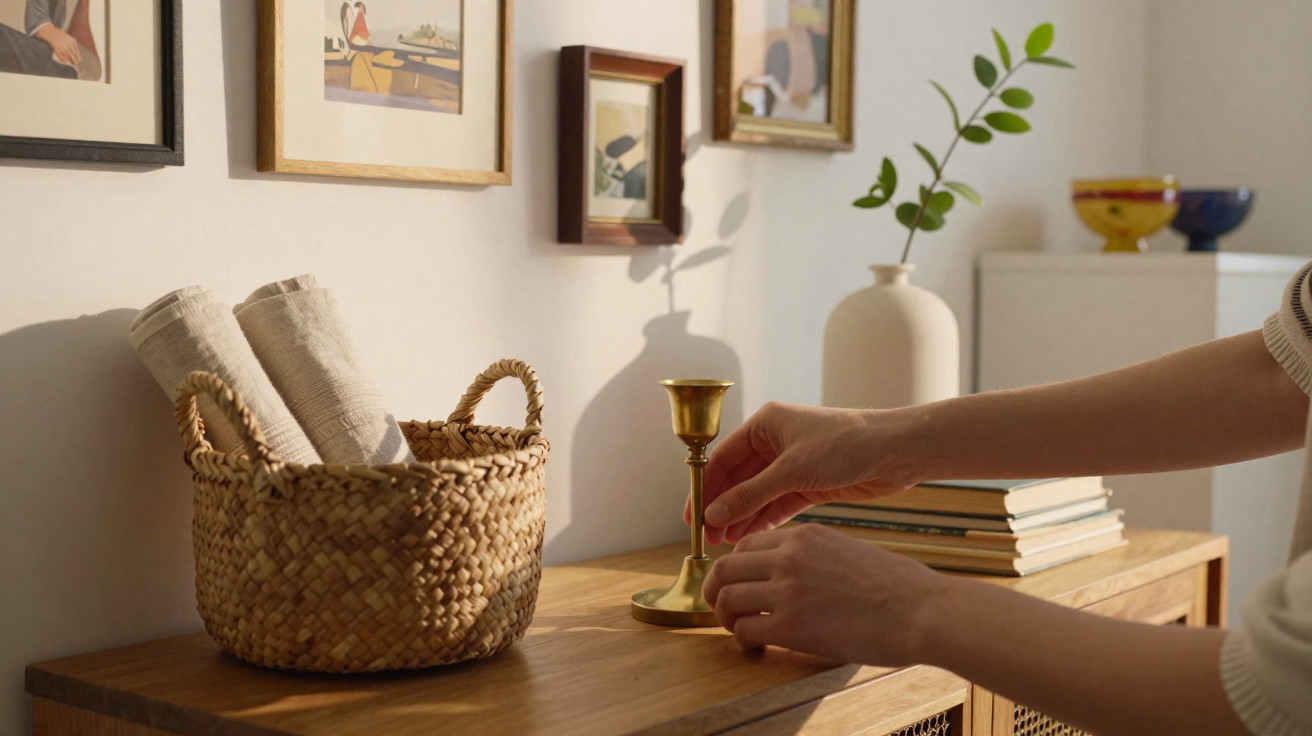
Interior stylists swear by baskets made from rattan, raffia or seagrass. At flea markets, they are often piled beneath tables or tucked into boxes, usually at a far lower price than in a homeware shop.
- as a laundry basket in the bedroom
- for throws or cushions beside the sofa
- as a place for post and miscellaneous bits in the hallway
- as a plant pot cover that instantly makes any planter feel more homely
Many of these baskets cost only a few pounds. Minor flaws, such as slight discolouration, are barely noticeable in daily use and can even make them feel more authentic.
Brass candlesticks: a warm glow instead of standard décor
Substantial brass candlesticks turn up regularly at flea markets. Comparable new pieces often cost well above £10, whereas second-hand versions usually change hands for very little.
They look especially effective:
- grouped in threes to fives at varying heights
- on the dining table alongside simple white tableware
- placed on a stack of books on a sideboard
A little metal polish will bring old brass pieces back to a shine. Anyone who prefers patina can simply leave them exactly as they are.
Hardback books: décor rather than reading material
Here is a trick frequently seen in interiors magazines: books are displayed for their appearance rather than their contents. Hardbacks with cloth spines, muted colours or gold lettering add structure to shelving and side tables.
Older hardback editions at flea markets often cost less than £1 each. Just three to five books are enough to create a small focal point. You can:
- stack them horizontally, then place a vase or candlestick on top
- arrange them by colour palette, such as subdued natural shades
- turn the spines towards the back for a calm, uniform appearance
“A simple stack of books can make a characterless shelf look like a deliberately styled piece of furniture within seconds.”
Picture frames: vintage charm for photographs, plants and textiles
New frames, especially solid-wood ones, can be expensive. Flea markets offer them for next to nothing, often with slightly yellowed mounts or minor scratches. Those very details are part of their appeal.
Rather than filling them with photographs alone, there are plenty of creative alternatives:
- pressed and dried flowers or grasses
- an attractive piece of old fabric or lace
- pages from vintage sheet music or maps
Several smaller frames grouped on a wall make an informal gallery. If there is no wall space, simply lean them against a chest of drawers or on a shelf.
Glass, ceramics and more: decorative pieces that work hard every day
Vases, jugs and bowls as understated focal points
Ceramic vases and stoneware jugs are among the quiet stars of many home features. Bought new, they are often costly; second-hand, they nearly always fall below £10. It is important to look closely at the shape and glaze.
Typical ways to use them include:
- a rounded vase containing single branches on the dining table
- an old water jug used as a flower vessel on a windowsill
- small bowls for jewellery or keys in the hallway
Colours such as cream, grey, olive and dark blue are easy to combine. Bold patterns can make an interesting standalone statement, but they should not compete with too many other bright pieces.
Glasses, bowls and dessert dishes: retro style for the table
Hardly any flea-market stall is without glassware: wine glasses, rounded water tumblers, small dessert dishes or cut-glass fruit bowls. They immediately lend the dining table a touch of retro character.
| Find | Possible use | Typical price range |
|---|---|---|
| Small dessert dishes | Desserts, snacks, olives, nuts | £1–£3 each |
| Rounded water tumblers | Table settings, tealight holders | £0.50–£2 |
| Large glass bowl | Fruit, salad, table decoration with candles | £3–£8 |
The same principle applies here: choose a few coordinating pieces rather than taking home every shape at random. A consistent style makes the table look calmer and more refined.
How to find the best flea-market pieces with purpose
The best times and the best stalls
Arrive early and you will have the widest choice, although sellers are often still asking their full preferred price. Later in the day, there tends to be more room for negotiation, but some treasures may already be gone. A practical approach is to arrive early, look with purpose, then revisit stalls you were unsure about towards the end.
Stalls from house clearances or estates often hold the most interesting vintage items: old matching dinnerware, crystal glasses, frames and candlesticks. Stalls selling only new stock are less suitable when you are after affordable finds below £10.
What to check for quality
Small imperfections are normal with vintage items and often add to their charm. However, there are limits:
- avoid cracks in glass or ceramics, particularly in vessels intended for food
- inspect baskets for brittle areas or loosening weave
- check metal items for heavy rust if they are going to be displayed indoors
“The rule of thumb is this: if the item is practical for everyday use and you like it straight away, it is often worth buying – particularly when the price is in single figures.”
Why small flea-market finds can change a room’s atmosphere
Vintage objects add more than visual appeal; they also bring atmosphere to a space. A stack of old books, a slightly tarnished brass candlestick or a hand-glazed vase all evoke other times and add depth to a modern setting of smooth surfaces and mass-produced furniture.
If you are unsure, begin with one colour family, such as natural tones, and select all your finds around it. This helps different styles sit together more easily. Over time, a mix of new and old pieces develops that feels very personal.
There is another benefit too: buying second-hand conserves resources. Instead of producing new glass vases or baskets, existing items are given a new home. Many people find it satisfying when their décor not only looks attractive but also makes at least a small statement about sustainability.
For a first visit, a fixed budget of £20 to £30 is enough. Concentrate on baskets, candlesticks, a few hardback books and perhaps one or two frames, and you can return home with a surprisingly good haul – plus enough material to give the living room or bedroom a noticeable lift.


Comments
No comments yet. Be the first to comment!
Leave a Comment