
Many people automatically do a quick round of the house after work, lower the shutters and switch on the lights, often at around 18:00. In the depths of winter, that is usually sensible. In March, however, the same routine can become counterproductive: you may be blocking free solar warmth from entering your home and increasing heating costs rather than reducing them.
Why timing suddenly matters so much in March
Windows are considered a weak point in any building envelope. Depending on their condition, experts estimate that around 10 to 25 per cent of heat can escape through windows and other openings. Roller shutters and window shutters, by contrast, provide an extra insulating layer.
Closing roller shutters at the right time can significantly cut heat loss through windows – without spending a penny on new technology.
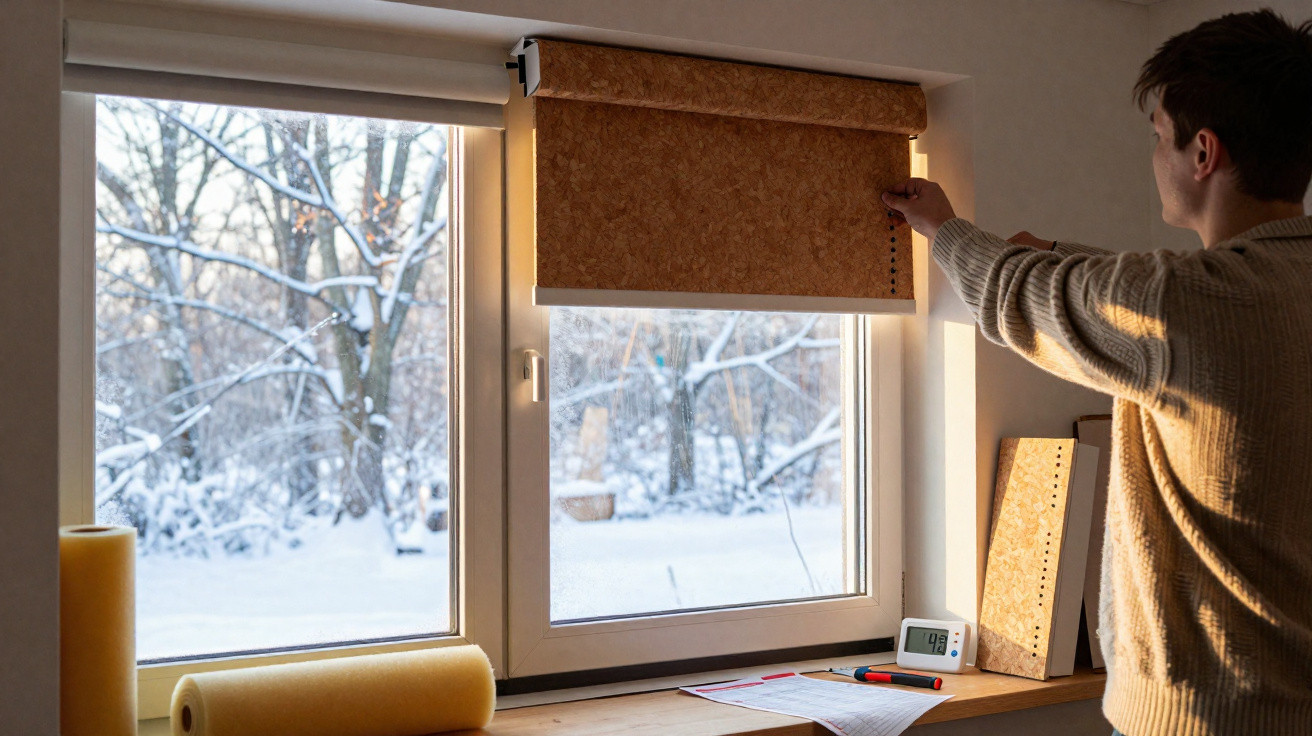
When it is dark and cold outside, window panes cool down considerably. The air in front of the windows becomes colder, while the adjoining wall can feel chilly. This is where shutters make a difference: an insulating layer of air forms between the glass and the shutter, creating a thermal barrier. The inner window surface stays warmer, room temperatures are distributed more evenly, and cold draughts are noticeably reduced.
Put into figures, studies cited by the French environmental agency ADEME indicate that closed roller shutters can cut the heat lost through a window by up to 60 per cent. This does not mean 60 per cent of total heating costs, but it is still a meaningful share of the heat otherwise lost through windows.
Anyone spending around €1,200 a year on heating could save roughly €40 to €80 annually, depending on the condition of the building and how consistently the shutters are used. In older, poorly insulated homes, savings may reach €90 to €180. The potential is there; the key question is when lowering shutters in March actually pays off.
18:00 in March: smart energy saving or an unnecessary habit?
Official energy advice points in one clear direction: shutters and curtains should be closed overnight, particularly once outdoor temperatures fall well below the preferred indoor temperature. In January or February, this commonly happens by late afternoon, so a fixed routine of “close everything at 18:00” suits the weather well.
March, however, is different. Days are longer, the sun sits higher in the sky and delivers noticeably more energy through windows. At the same time, many evenings remain cool. It is the classic transitional month.
A rigid ban on closing shutters at 18:00, or an obligation to do so, therefore makes little sense. However:
- Early March, a cool northern location, an older house: Closing at 18:00 can be sensible here, especially with north-facing windows, single glazing and traditional shutters.
- Late March, a sunny south- or west-facing façade: Sunlight can often stream into the room until 18:30 or 19:00. Darkening the room earlier means giving up free solar heat.
Especially after the clocks move forward for daylight saving time, the sun can seem to stay up “forever”. Anyone lowering their shutters too early purely from habit will often turn the heating back up sooner, potentially achieving the opposite of what they intended.
In March, the clock does not determine the right time; outdoor temperature, sunshine and window orientation do.
How to find the best time to close roller shutters
The simplest rule of thumb is this: only close them when it is noticeably colder outside than indoors and direct sunshine is no longer entering the room.
Use a thermometer, not instinct
A quick check of indoor and outdoor temperatures is often enough. For example:
- Indoors: 20°C
- Outdoors: 12°C, overcast, with no sun on the window frontage
In this situation, closing the roller shutters and drawing heavy curtains makes a noticeable difference. The room loses heat more slowly, and you can often lower the heating by half to one degree without feeling cold. According to ADEME, every degree lowered on the thermostat saves around 7.7 per cent of heating energy. Even 0.5 degrees can make a worthwhile difference over a year.
The situation changes if the sun is still shining onto south- or west-facing windows in the early evening: that heat is free. Blocking it out means replacing natural light with electric lamps and needing more heating later on.
Window orientation is a decisive factor
Looking at your floor plan makes it possible to create an individual schedule:
| Window orientation | Typical conditions in March | Recommended closing time |
|---|---|---|
| North | Hardly any direct sun | Relatively early, around 17:30–18:00 |
| East | Sunshine mainly in the morning | From late afternoon, around 17:30–18:00 |
| South | Long-lasting midday sun | Once direct sun has ended, often 18:30 or later |
| West | Strong evening sun | Later on, sometimes not until around 19:00 |
If roller shutters are motorised and connected to smart controls, these times can even be programmed by season: earlier in midwinter, slightly later in March, and differently for each external façade.
Older homes, new builds and double glazing: what works best for whom?
Not every property responds equally strongly to the timing of roller shutter use. There are three typical scenarios:
- An unrenovated older property with single glazing: Shutters have their greatest effect here. Closing them early when it is cold delivers clear savings, particularly on north- and east-facing windows.
- A house with modern double or triple glazing: These windows lose far less heat. Shutters still help, but precise timing is less critical. Comfort, such as fewer draughts, is often the more important benefit.
- A well-insulated new build with a large south-facing façade: In this case, the focus in March should be on making maximum use of solar energy. Darkening rooms too early wastes that potential.
The poorer the window, the more important roller shutters become – and the more worthwhile it is to pay attention to timing.
Psychology, daylight and security: more than heating costs alone
Anyone who lowers every shutter at 18:00 throughout March may recognise the feeling: rooms become gloomy earlier, the evening seems shorter, and the mood turns towards “endless winter”, even though it is not yet late outside. Daylight directly affects the body clock. Many people feel more alert and happier when they can still see the bright evening sky for a while.
On the other hand, closed shutters provide security: people outside can no longer see into the home, windows gain greater protection against attempted break-ins, and less street noise enters. This is often an important consideration in ground-floor flats.
A sensible approach could therefore be:
- In living and dining rooms, wait to close shutters until it is genuinely dark outside or clearly colder.
- In bedrooms and children’s rooms, base the decision more on security and light requirements, as heating is usually less important there.
Practical everyday tips for March
Anyone who does not want to deal with complicated calculations can broadly follow these points:
- Always close roller shutters according to the sun, rather than strictly by the time.
- When outdoor temperatures are clearly below 10–12°C and there is no sun, do not wait too long.
- Darken north- and east-facing sides earlier, while letting south- and west-facing rooms benefit from evening light.
- Use interior curtains as an additional measure; they noticeably improve the feeling of comfort.
- Carry out a one-off “test week” for each façade: try different times and observe heating use and comfort.
If you are already considering improvements, include the roller shutters in your plans: well-sealed shutter boxes, warmer slats and automated controls can significantly strengthen the saving effect. Combined with better windows and intelligent heating controls, a few simple measures can become a lasting reduction in energy costs.
The essential point remains: in March, lowering roller shutters at 18:00 every evening as a blanket rule is not a good idea. By paying attention to temperature, compass direction and the position of the sun, you can make use of the day’s free warmth and only protect your heating bill once the cold truly arrives.













Comments
No comments yet. Be the first to comment!
Leave a Comment