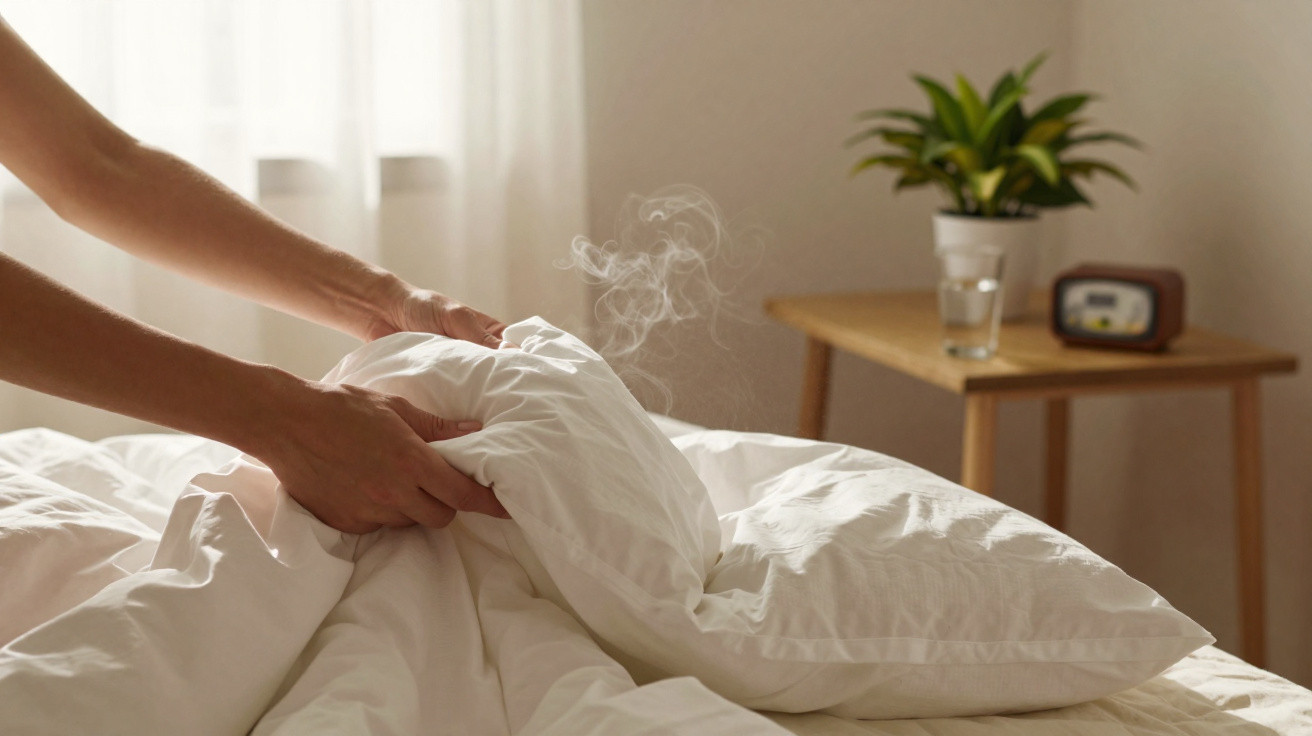
You swing your legs from the bed, rub the sleep from your eyes and follow the advice every productivity guru seems to give: pull the sheets taut, plump the pillows into shape and smooth every last crease. Five minutes later, your room resembles an Instagram reel of “morning routine perfection”. It feels oddly satisfying, as though you have achieved a small victory before even having your coffee.
Yet that evening, you are lying awake and looking at the ceiling. The bed appears as immaculate as one in a hotel, but something does not feel right. The air seems a touch heavy, the mattress unusually warm and the sheets somehow less than fresh. You fidget, turn over, look at the time on your phone and blame every sleep coach online.
What if making your bed straight away… is contributing to the problem?
When a “good habit” quietly leads to a bad night’s sleep
There is a brief period in the morning, immediately after you rise, when the bed is still holding onto the traces of the night. Heat remains beneath the duvet. Moisture lingers from your breathing. There is sweat you never noticed while half asleep. Then, in the name of discipline, you fold it all up and seal it in.
It may look orderly on the outside. Beneath the covers, however, it can resemble a greenhouse.
Mattress materials, pillows and duvets all take in moisture from your body. Covering them the moment you get up prevents that moisture from escaping. You create a warm, dark and mildly damp microclimate - exactly the sort of environment that dust mites and bacteria love. The bedroom might appear tidy, but the bed is beginning a very different sort of day.
A British study attracted headlines several years ago because it proposed an almost rebellious idea: leaving a bed unmade for a while may help reduce dust mites. These tiny, unseen housemates flourish in warmth and humidity. Remove the duvet and allow air to circulate, and you take away some of the conditions that sustain them.
Picture a student bedroom after a long week: curtains drawn, windows closed, the bed made perfectly from 8 a.m., with clothes heaped on a chair. By the weekend, the atmosphere feels heavy, sleep feels clammy and the sheets no longer smell quite right. There may be no obvious dirt, yet a certain tiredness seems to linger. That is not laziness; it is the micro-environment.
We are drawn to simple rules: “Make your bed first, win the day.” It sounds admirable, disciplined and even moral. Your body, though, communicates in another language. It responds to airflow, temperature, humidity and allergens. By trapping the night’s warmth and moisture, you save them for later. Then, at about 11 p.m., your nervous system returns to a mattress that has not had an opportunity to breathe.
Your core temperature should fall before you sleep. That cooling process is among the signals telling your brain, Okay, it’s safe to shut down now. When the bed is a little warmer or stuffier, that signal becomes less clear. You might still drift off, but wake more often overnight, sweat slightly, have strange dreams and begin the following morning already a step behind.
Letting your bed breathe without making your room chaotic
The answer is not to abandon making your bed; it is simply not to do it immediately. Think of airing a room after a lengthy dinner. You do not get rid of the furniture - you open the window slightly and let the air refresh before putting everything back in order.
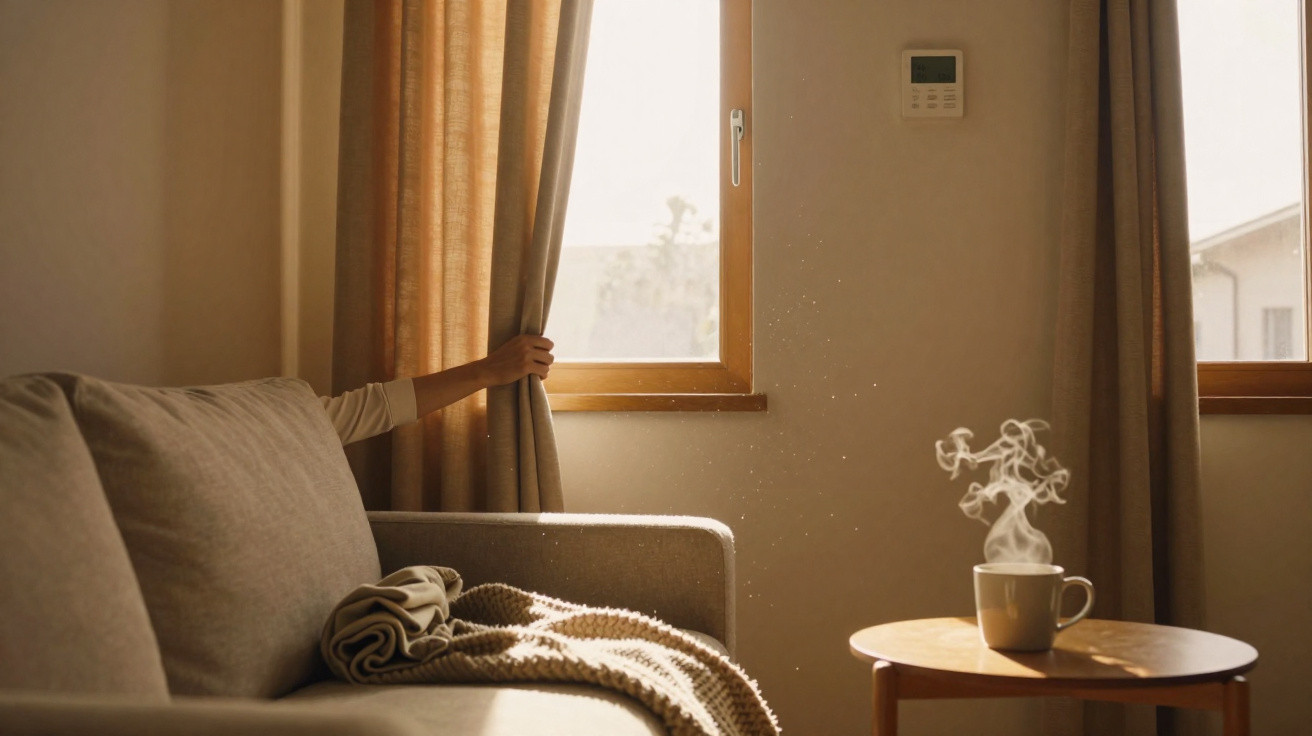
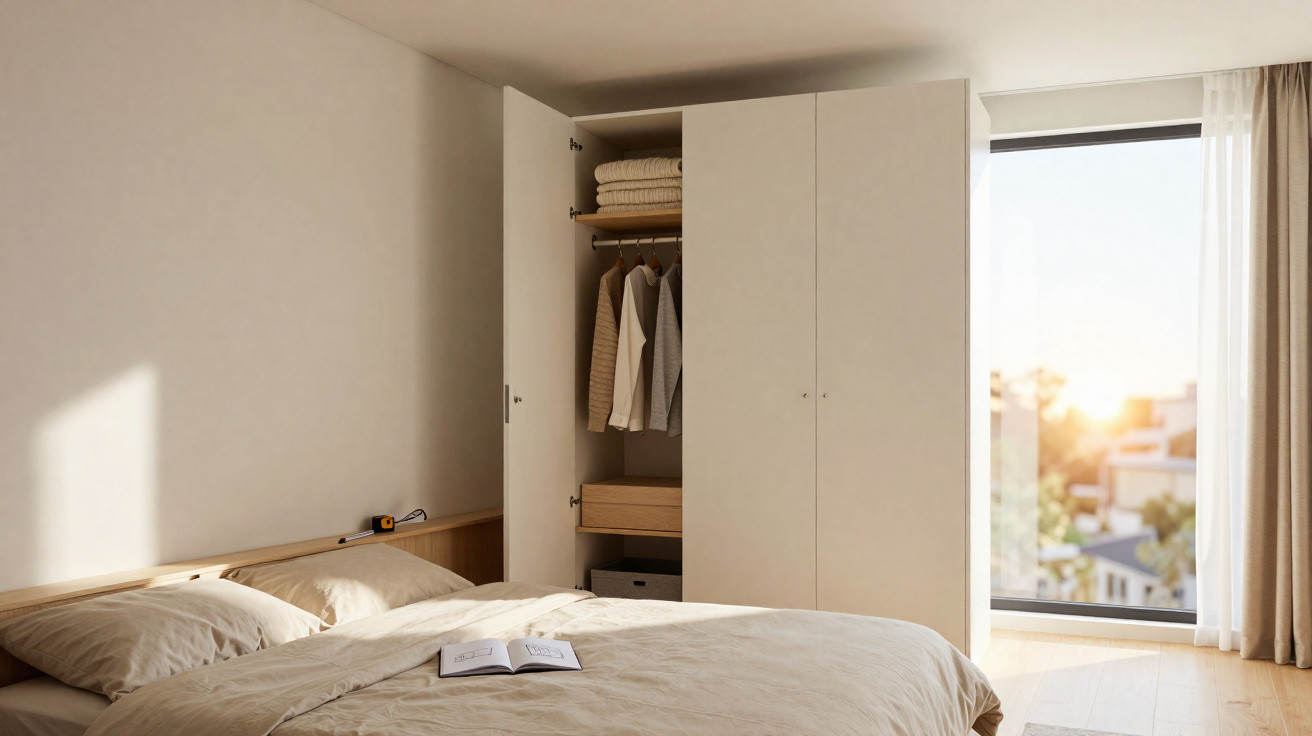
Try one straightforward routine: when you get up, draw the duvet halfway towards the foot of the bed. If the outdoor air is neither heavily polluted nor freezing, open the window. Leave the pillows slightly separated rather than piled together. Expose the mattress to light and air for at least 30 minutes. While the coffee brews or you take a shower, the bed can quietly reset itself.
When you return, make the bed then. It need not look hotel-perfect; it only needs to feel peaceful and welcoming.
In practical terms, that morning pause can make a considerable difference. People dealing with allergies, blocked noses at night or itchy eyes often notice patterns rather than miracles. Nights after making the bed in a rush can feel different from those following days when they left it open for a while. Sheets remain “fresh” for longer, pillows smell less stale and the bed feels more like somewhere to settle than a sealed container.
There is an emotional aspect too. You start separating “discipline” from “performance”. Making your bed becomes a deliberate decision later in the morning, rather than a half-awake reflex prompted by guilt from somebody on a podcast. Let us be honest: nobody really does that every day.
One sleep doctor put it to me in a memorable way:
“A healthy bed is like a good friend: present, supportive, and not suffocating you all day long.”
If visual prompts help you, run through this short mental checklist each morning:
- Have I exposed the mattress and pillows for at least 20–30 minutes?
- Have I allowed some natural light to reach the sheets?
- Does the room feel less humid than it did when I woke up?
- Have I made the bed for myself, rather than for Instagram?
These points may seem minor. They are neither dramatic nor glamorous, but they can quietly determine whether your bed feels like an airy nest at night or a closed box filled with recycled air. You notice that difference at 2 a.m., when you suddenly wake up and wonder why your mind will not slow down.
What your bed reveals about the way you treat your nights
We often discuss morning routines as though they exist independently: an ice bath, journalling, 10,000 steps before 9 a.m. In reality, your morning is the final chapter of a story that began the previous evening. Sealing up the bed as soon as you wake can suggest something about your relationship with rest: that it should vanish quickly, stay hidden and become efficient.
Leaving your bed slightly untidy and open can be a subtle act of respect. Instead of folding away the evidence of the night and acting as though it did not happen, you allow it to evaporate. That may sound poetic, but the effect is tangible: lower humidity, fewer dust mites and a better opportunity for the deep, slow-wave sleep your brain needs.
At a human level, this touches on something we do not often acknowledge aloud: we are tired. Properly tired. Many people carry a constant sleep debt, pursuing productivity tricks while overlooking the fabric beneath their bodies for eight hours each night. During a difficult week, a stack of perfectly aligned pillows can look like control, even while we are running on fumes inside. Whether made or unmade, the bed becomes a small reflection of that internal state.
You could experiment with it. Spend one week making your bed immediately, then give it time to air before touching it the following week. Pay attention to the air in the evening. Notice how your body feels when you lie down. Observe how soon your thoughts stop scrolling through tomorrow’s worst-case scenarios. Small adjustments do not always make themselves heard. They whisper.
Sometimes the most understated change is to see your bed less as decoration and more as an active part of your health. It needs light, air, time and, yes, a little gentle morning chaos, so that it can support you better at night.
| Key point | Detail | Benefit for the reader |
|---|---|---|
| The bed needs air | Leaving the mattress and sheets uncovered for 20–30 minutes reduces heat and humidity | Encourages cooler, deeper sleep |
| The “perfect bed” can trap moisture | Making the bed immediately creates an enclosed environment for dust mites and bacteria | Explains why an attractive bed is not always a healthy bed |
| The routine should serve the body, not the image | Choose when and how to make the bed instead of following a rigid rule | Less guilt, with greater everyday comfort and flexibility |




Comments
No comments yet. Be the first to comment!
Leave a Comment