Your home can look almost like one of those calm, curated spaces on Pinterest. At bedtime, you get that small sense of relief: it may not be flawless, but it is presentable.
Then the morning begins. Breakfast covers the kitchen. Backpacks spill their contents as if they have come alive. Keys vanish, socks turn up elsewhere, and yesterday’s post reappears. By the time you reach for your coat, you are stepping around the same clutter you cleared only 12 hours ago. It can seem as though the house is working against you.
That is the subtle, unseen cost of a home with no clear rule for where belongings belong. You tidy up, clutter returns, and the cycle starts again. Yet one straightforward storage rule can break it: a short principle that alters the whole routine.
The one-rule reset that stops mess from coming back
The rule is remarkably straightforward: everything you use daily needs one visible, accessible home - and putting it away must be easier than leaving it anywhere else. Not several possible homes, and not a vague “I’ll sort it later”. Each item needs one obvious spot that your tired brain can locate without effort.
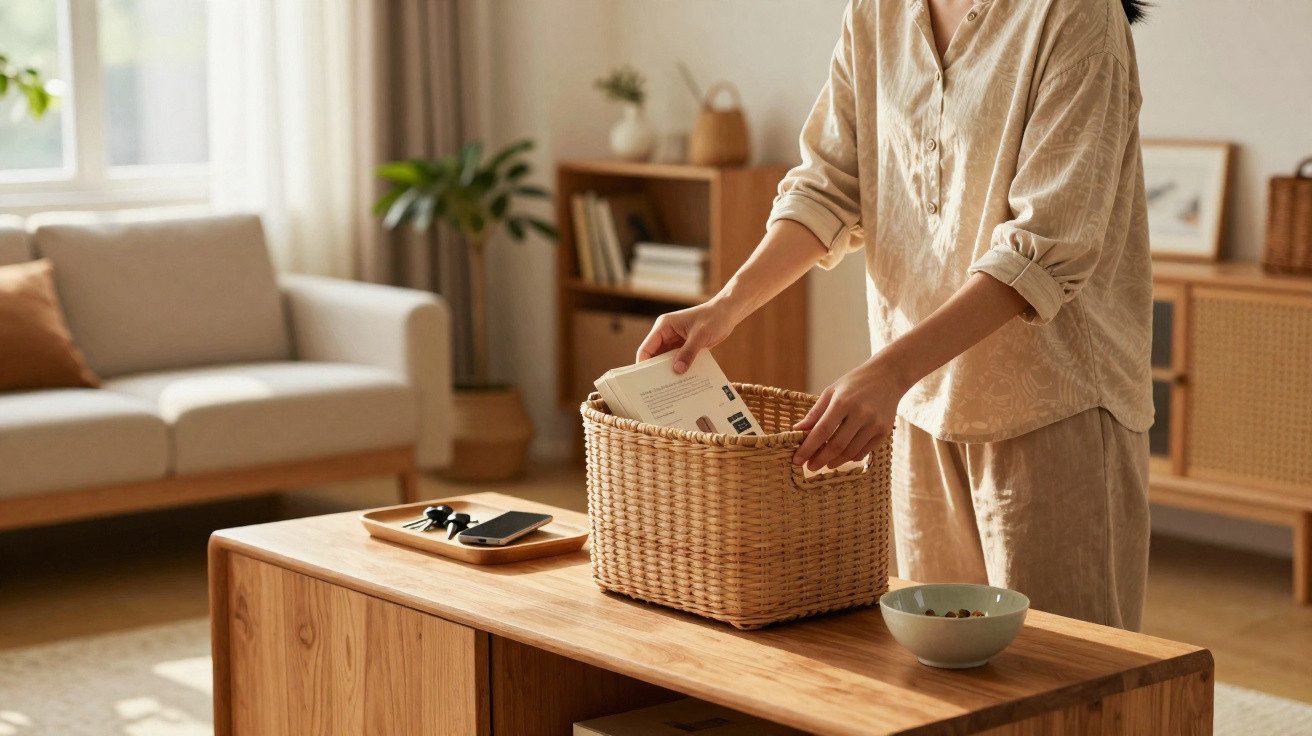
This is not about concealing your belongings. Instead, it means creating such an effortless landing place that clutter cannot gradually take over every surface. Choose hooks rather than drawers, open baskets rather than lidded boxes, and trays on worktops rather than loose piles.
Once an item has that single home, you do not need to try to “be tidy”. You simply follow the natural path. Your hand goes towards the hook, basket or tray almost automatically. This is why the rule works for exhausted parents, distracted teenagers and visitors who do not know your household system. The home is clear, so belongings genuinely get put back.
Picture a hallway at 6 p.m. on a weekday. Bags land in the centre of the floor, shoes spread out like a crime scene, and coats end up on chairs. At that moment, nobody is considering “storage solutions”. They are hungry, exhausted, looking at their phone or rushing to the toilet.
Now picture that same entrance with a long, low bench beside the door, three large open baskets underneath and a row of hooks at eye level. There are no doors, lids or awkward hangers. A bag lands on the bench. Shoes are pushed into a basket. A coat is hung up in one movement. No extra thought is needed.
In a survey by the National Association of Professional Organizers, respondents said that keeping areas tidy felt more difficult than decluttering them. The reason is that most homes are arranged for “storage someday” rather than “real life in five seconds”. Belongings have no easy place to land, so they end up everywhere.
The rule succeeds because it accounts for how people actually behave. We do not cross the room to open a cupboard, take out a matching box and carefully place an item in the correct subsection. We leave things where we happen to be. Storage must therefore meet us at that point, rather than require us to become different people.
When putting something away takes more effort than dropping it, clutter wins. When storage is simpler, laziness works in your favour. That is the principle behind homes that appear mysteriously easy to keep tidy: the tidiest option is also the path of least resistance.
Psychologists refer to “choice fatigue” - the way small decisions wear us down throughout the day. Where should this go? Will I need it later? Should I leave it out just in case? Every object without a fixed home creates another decision.
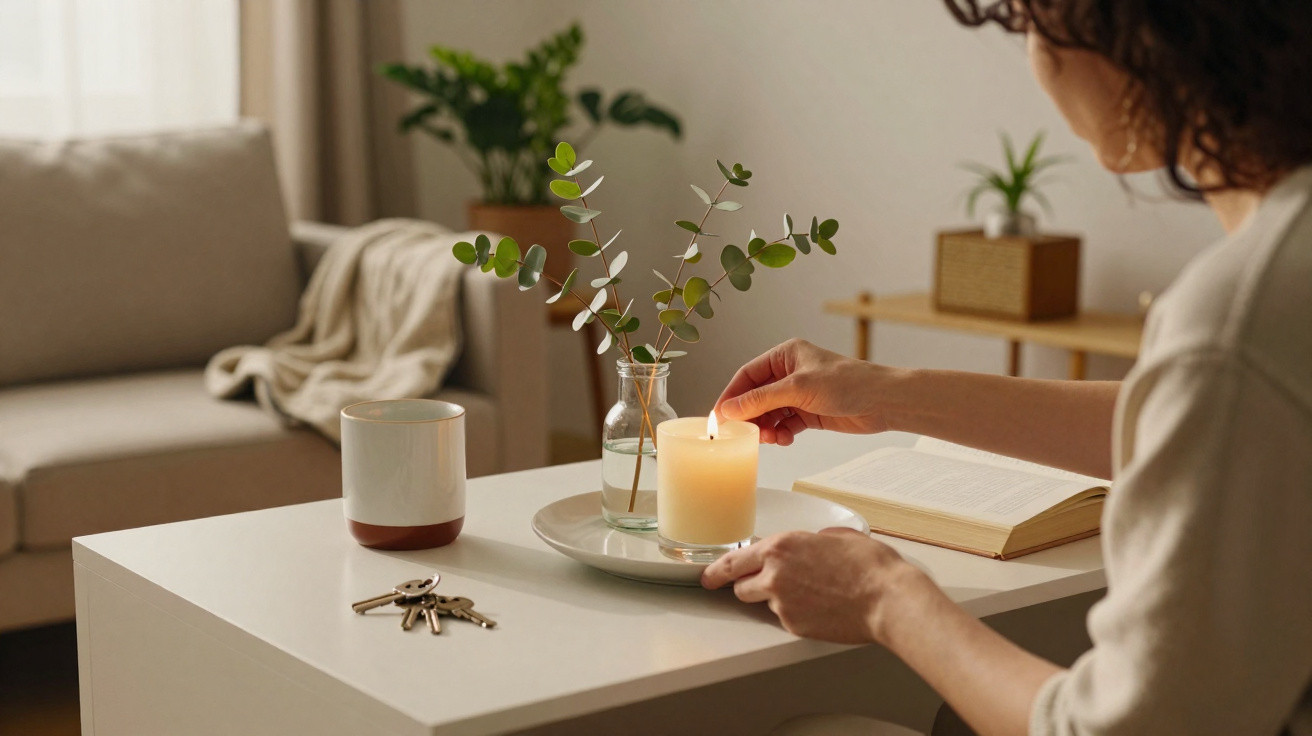
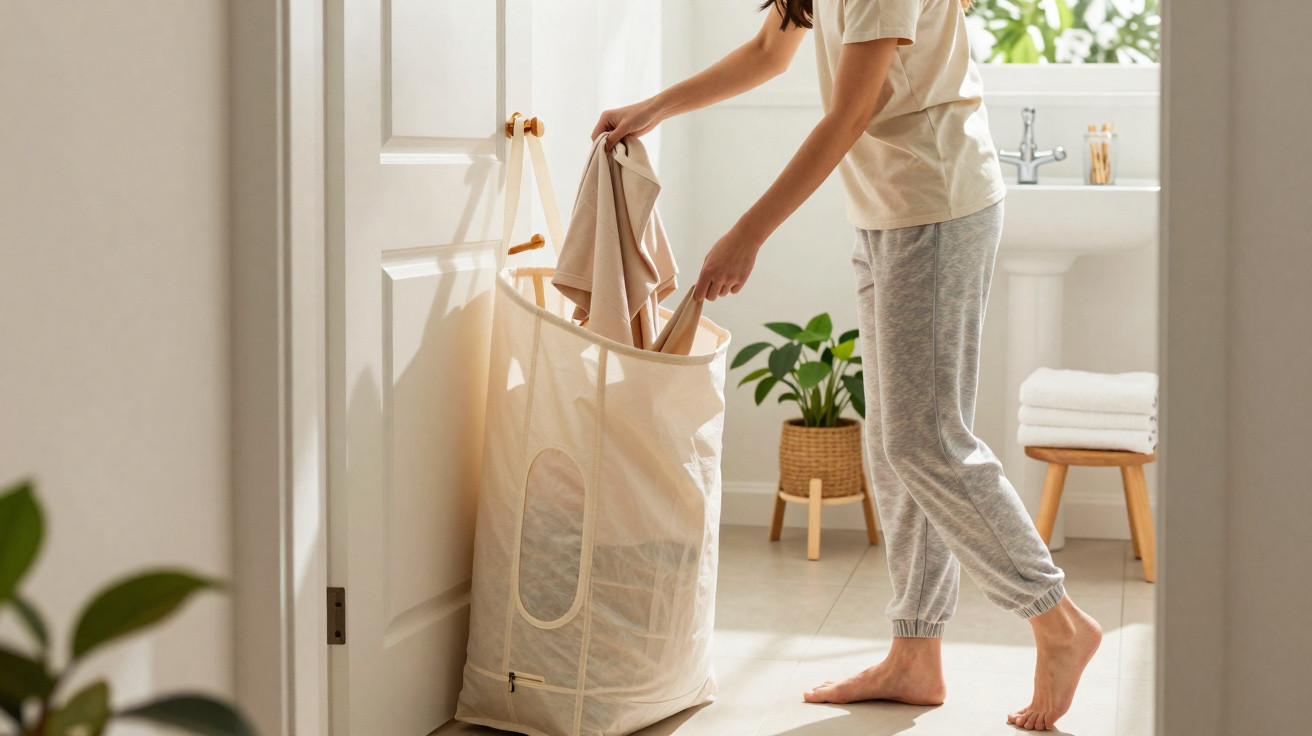
A single obvious home removes that choice. A dish for keys, a tray for post and a laundry basket in every bedroom are simple yes-or-no actions, rather than small dilemmas. Either the item goes back where it belongs, or it remains out and creates a little friction. That gentle prompt is what prevents clutter from rebuilding overnight.
With the rule established, the evening reset becomes unexpectedly fast. The living room can return to neutral in five minutes rather than thirty. You are not improvising storage as you go; you are simply returning objects to their places, nearly on autopilot. That is the real benefit: less willpower and better design.
How to apply the simple storage rule room by room
Begin in the places where disorder returns quickest: the entrance, kitchen and living room. Choose five everyday items you regularly handle - keys, a bag, shoes, post or headphones, for instance. Give each one a single home that is open, visible and close to the place where you currently leave it.
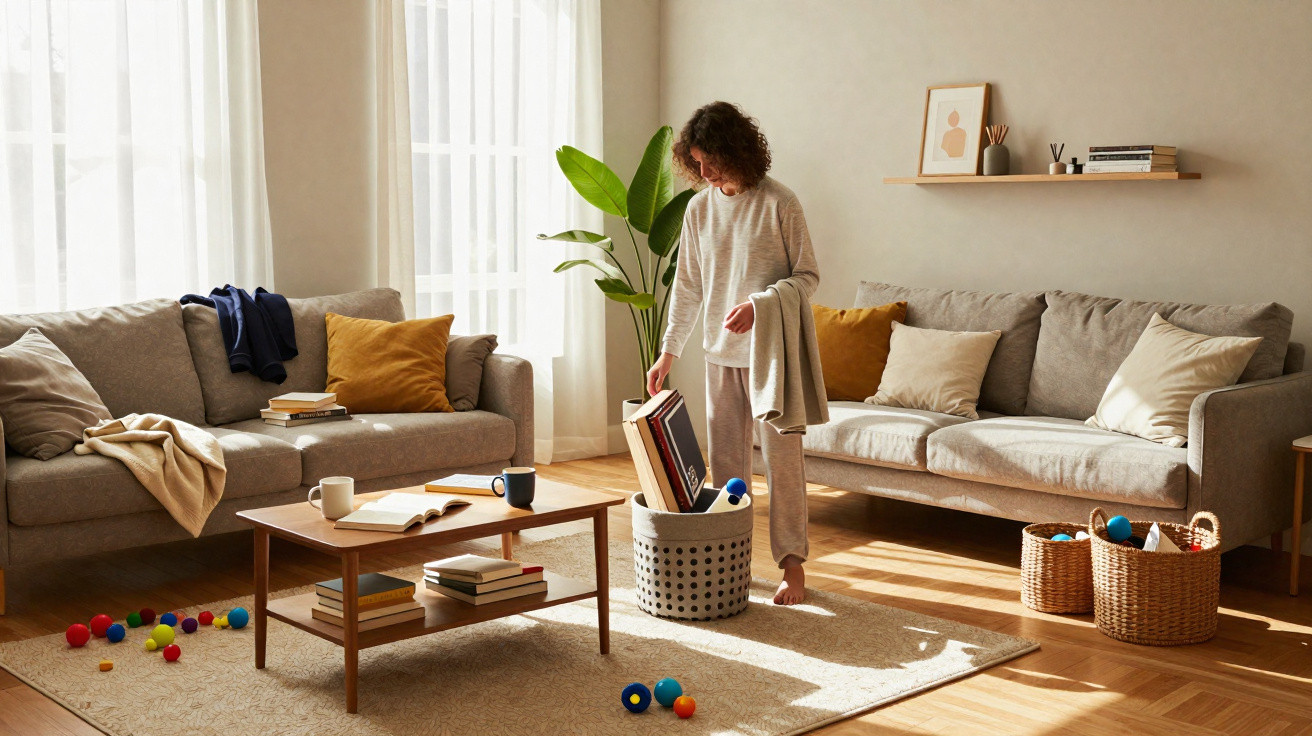
Install a key hook where your hand naturally reaches when you enter. Put a tray or shallow bowl on the console table for headphones and sunglasses. Place a large, uncomplicated basket beside the sofa for blankets and stray toys. Do not worry about labels yet. First create clear spots that say, “this is where it lives now”.
This is not about coordinated jars or a flawless aesthetic. It is about reducing friction. If your bag usually ends up on the floor, fit a solid hook or peg within exactly that arm’s reach. If post always gathers on the kitchen island, place a slim upright file or letter tray there. You are working with your habits, rather than battling them.
Let’s be honest: nobody truly does this perfectly every day. No one wakes up wanting to spend twenty minutes returning pens to a closed box in a faraway cupboard. So do not create a system that requires it. Create one that still works on your laziest Tuesday.
The most common error is making homes that look attractive but demand accuracy. Think tiny labelled boxes for dozens of categories, deep baskets where items disappear, or high shelves that require a miniature yoga session to reach. Those are the systems that look “organised” for only two days.
Choose generous, rough-and-ready storage instead. Use one large basket for “tech stuff near the sofa”, one drawer for “children’s art and random school papers for this month”, and one open shelf for cookbooks currently in use. If the system needs a diagram, it will not survive a hectic week.
“A storage system only works if your most tired, stressed-out self can use it without thinking,” says a London-based professional organiser. “Design for the version of you who comes home at 9 p.m. with takeaway and zero patience, not the version who just watched a decluttering show.”
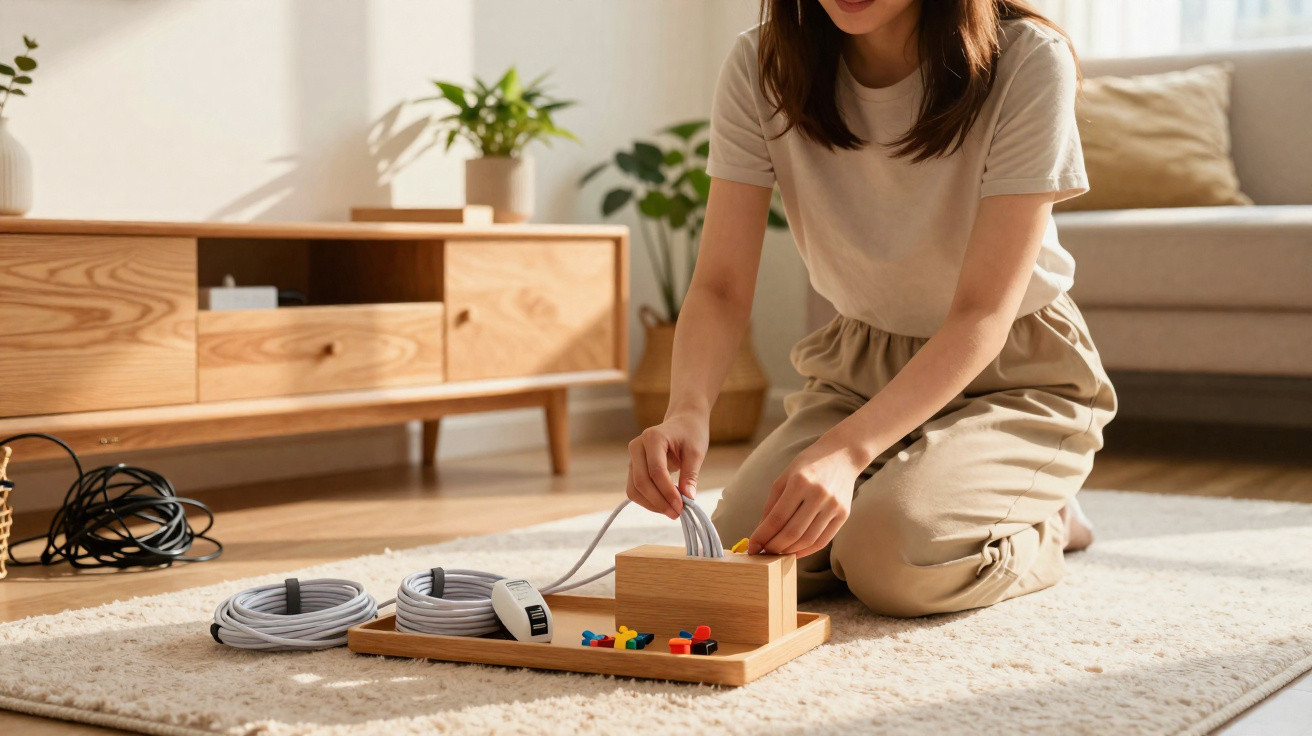
Put a small visual prompt beside every new home so that everyone in the household understands it. Draw a key symbol on tape above the hook. Tape a postcard to the wall over the bag bench. Line the “mail tray” with a bright cloth so that it stands out on the worktop. These small signals tell the brain, this is a thing, not a random bowl.
- Create one “drop zone” for each person near the entrance, using a basket, hook or small tray.
- Give every everyday belonging just one storage location, rather than two or three.
- Reserve lids, doors and complicated containers for long-term storage.
- Use colour or texture to make each item’s home easy to recognise.
The quiet shift that changes how your home feels
The most striking result of this rule is not necessarily how your home appears. It is how your shoulders feel at 10 p.m. when you look around before bed. There is less visual noise. Your mind is not silently listing everything “you should pick up”. The home begins to feel as if it is helping you.
On a difficult day, that can matter more than any minimalist ideal. On a good day, it gives back time that you would normally spend circling the house. Five minutes to reset the living room. Two minutes to restore the hallway. One sweep of the kitchen worktop because the tray contained the chaos.
At a deeper level, the rule gently brings everyone you live with into the same unspoken agreement: this is where things belong. There are no lengthy lectures about tidiness and no colour-coded chore charts that disappear after a week. There is simply a hook that clearly wants a coat and a basket that clearly wants shoes.
We have all experienced that moment of inward frustration after stepping on a toy or failing to find our keys when we are already late. The one-home rule will not prevent life from becoming messy. Children will still scatter Lego across the floor, and adults will still leave mugs in strange places. But when every item has an easy place to return to, the reset becomes quick and almost mechanical.
This is less about turning yourself into a “tidy person” and more about eliminating everyday friction. There is less searching, fewer low-level arguments about “where did you put my…”, and more evenings when you can sit on a clear sofa without first carrying out a full clean-up.
You could begin with something small: a key hook, a shoe basket or a post tray. Soon, you may find yourself asking almost unconsciously: where does this actually live? Asked a few dozen times, that question transforms a home. Not into a showroom, but into a place that quietly resets itself while you live your real, imperfect life in it.
| Key point | Details | Why it matters to readers |
|---|---|---|
| Make storage easier than dropping things anywhere | Use open baskets, hooks and trays exactly where clutter usually lands, so returning items takes one lazy movement. | It cuts nightly tidy-up time and stops the house falling apart again by breakfast. |
| Give each everyday item one obvious home | Keys, bags, post, remotes, chargers and school items each receive one clearly defined spot instead of several “maybe” places. | It reduces lost belongings, last-minute panics and low-level disagreements about where things are. |
| Design for your most tired self | Put storage at natural drop points, and avoid lids, high shelves and fiddly containers for objects used daily. | It makes the system realistic on chaotic days, helping it last longer than a weekend reset. |



Comments
No comments yet. Be the first to comment!
Leave a Comment