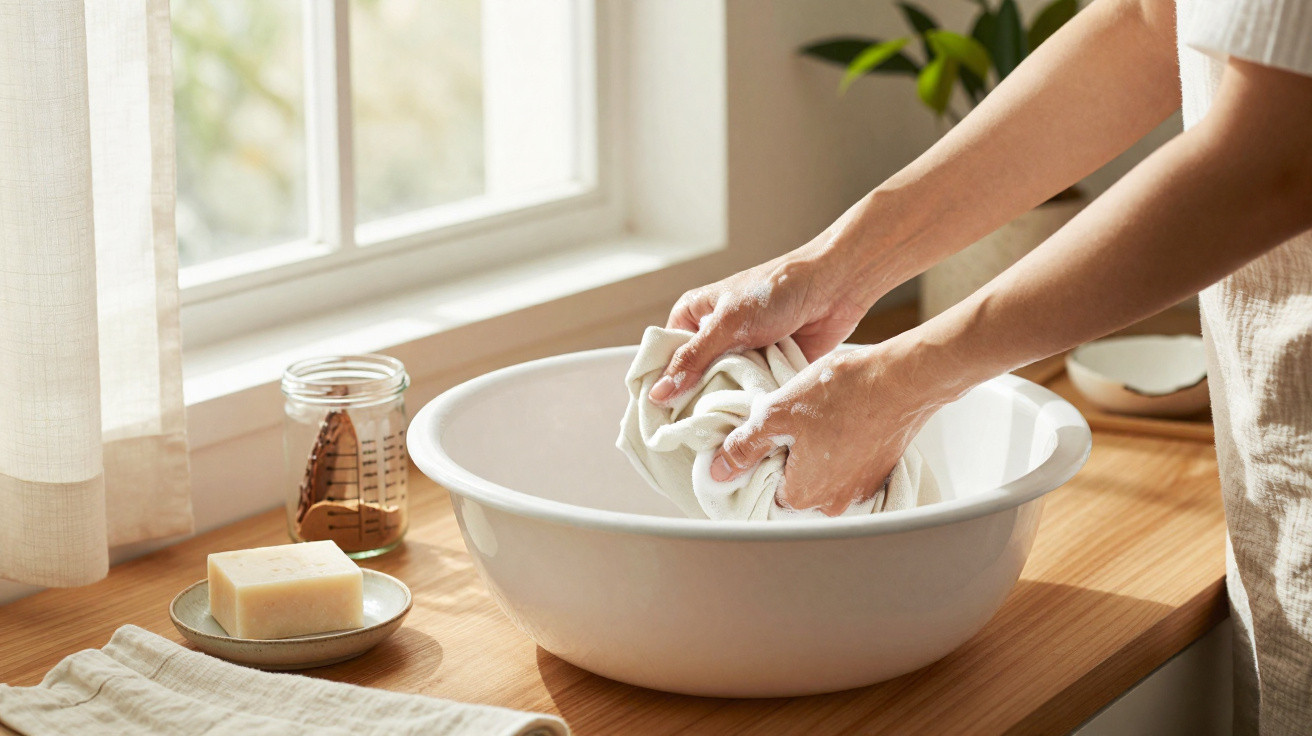
Keeping a linen curtain looking elegant calls for careful treatment to prevent damage to its natural fabric. Regular dust build-up can affect the home environment, while coconut soap cleans the item thoroughly without spoiling its light drape.
Why is coconut soap ideal for cleaning linen?
Natural fibres need exceptionally gentle cleaning that protects their original structure from unwanted shrinkage. This mild product lifts accumulated dust without harming the fabric’s delicate texture, safely maintaining the softness of its natural fibres.
Choosing this product prevents the stiffness often caused by harsh standard chemical detergents. This household alternative provides a gentle wash, removing all heavy dirt particles and restoring the flexibility needed for a beautiful fabric drape.
How can wool garments be cleaned without damaging the fibres?
Using a mild product intended for children removes deeply embedded impurities and protects wool’s natural softness when done… Read more
How should the curtain be prepared before washing?
Before wetting the linen, it is essential to remove the metal or plastic fittings that hold the curtain on its track. Taking off these hooks prevents rust or tears during the process caused by direct contact with cold water and mild coconut soap.
Vacuuming the entire surface first helps remove excess dry debris settled on the linen curtain. This initial step stops dust from turning into mud during cleaning, making a home gentle wash much easier.
Below is a video from the Uai Sil YouTube channel that explores the points discussed in this topic in greater depth:
What is the step-by-step method for washing linen by hand?
Fully dissolve the soap in cold water before immersing the fabric, preventing whitish marks from appearing on the surface. Lower the item into the water slowly and move it gently, allowing it to soak for a few minutes so the product can effectively remove all accumulated dust.
Rinse thoroughly until every trace of foam has gone, as residue may later make the fabric stiff. Never wring the curtain forcefully, as this harsh action breaks the fibres and affects the proper fabric drape, as indicated on the care label.
Materials for Washing Linen
Required items
Set aside these essential items to ensure a perfect clean:
- Mild coconut soap, in bar or liquid form;
- Plenty of clean cold water;
- A vacuum cleaner with a soft brush attachment.
How should linen be dried to protect the fabric?
The curtain should always be dried in the shade, as direct sunlight can excessively dry out the weave. Strong heat fades colours and harms the item’s natural fibres, making drying on the original curtain pole essential.
Hanging the linen curtain directly on its support while still damp allows its own weight to naturally straighten the threads. This removes creases and eliminates the need for ironing, conveniently restoring the lightness and flawless fabric drape.
Below are the main benefits of carrying out this regular maintenance routine at home:
- Complete removal of household dust mites;
- Preservation of the linen’s original colour;
- Restoration of the curtain’s natural flexibility.
How often should curtains be cleaned?
Preventive maintenance should be carried out at least twice a year to avoid a heavy build-up of outdoor dirt in living rooms. Areas with substantial airflow or those located on busy roads require more frequent gentle washing with mild coconut soap.
Vacuuming the surface every week extends the time between deep washes and supports the wellbeing of allergy sufferers at home. Following this simple routine prevents accumulated dust from becoming embedded and ensures the expected durability of your valuable linen curtain.











Comments
No comments yet. Be the first to comment!
Leave a Comment