
The notifications were still sounding, the group chat was still arguing, and the algorithm kept feeding me biscuit videos and unboxings like an endless pudding trolley. I was not exactly exhausted; I was overstimulated, with gritty eyes, a humming mind and tomorrow’s demands already queueing up. Earlier that week, a friend had put a pair of blue-light blocking glasses in my hand and said, “Just try them.” I expected, at best, a placebo. Romance was not on the agenda. Yet something softly strange happened: it was as though someone had lowered a dimmer in an oversized room, and I am still struck by what it changed about my mornings.
The evening I tried the unusual amber filter
The first thing blue-light glasses alter is colour. Everything turns warmer, like an ageing photograph: whites become honey-toned and blues drift towards amber. I put mine on at about nine, and the kitchen lighting seemed less harsh, the refrigerator’s glow stopped demanding attention, and I made tea without consulting another three notifications. The kettle released a fine hiss, and, without the familiar mental interference, I could hear myself think. Nothing was theatrical, but it felt like swapping a concert’s front row for the balcony: the music was still there, yet I could breathe as well.
I have always mocked little devices that claim to deliver tranquillity. I am not against technology; I simply cannot stand hype. I assumed screens had no hold over me. On that first evening, however, I scrolled less without having to force the issue. My shoulders came down from somewhere near my ears, and at eleven o’clock the bed no longer resembled a negotiating table. It simply looked like somewhere to collapse.
The stillness once the glare fades
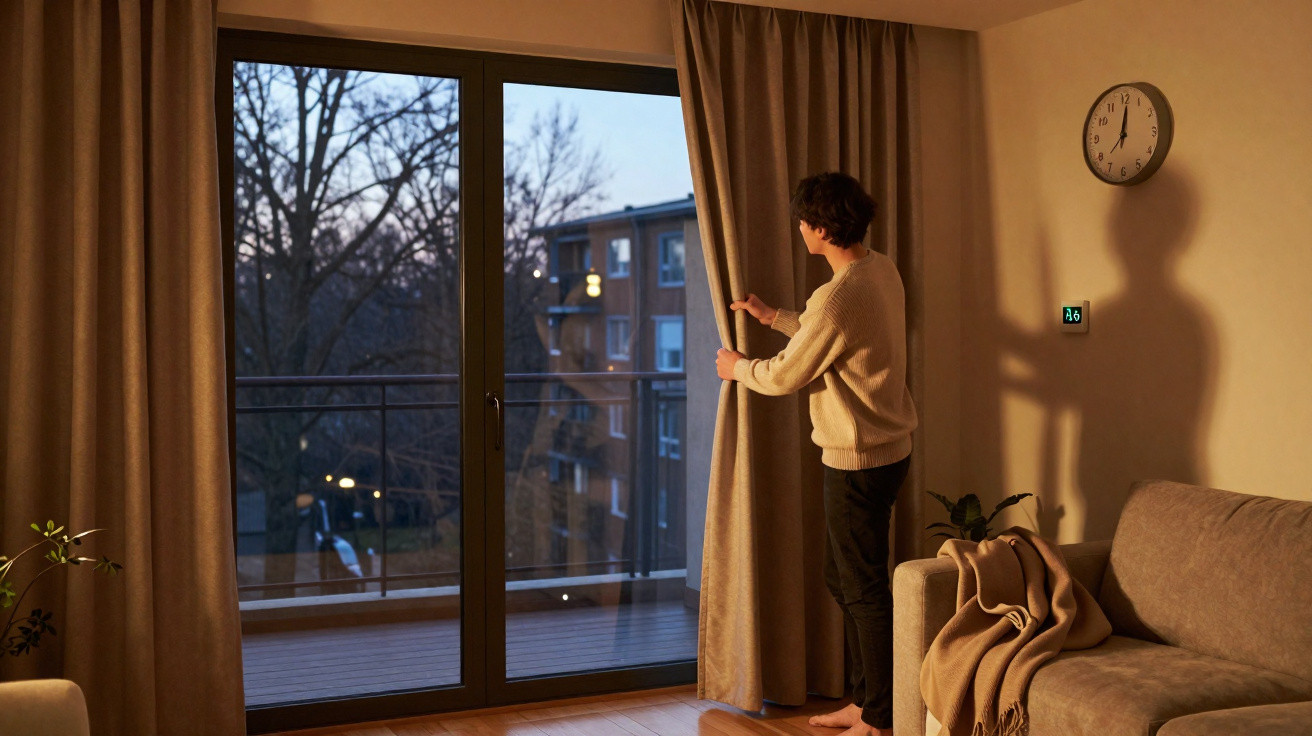
A peculiar calm arrives when the light in your evening drops, even marginally. My sitting room normally buzzes with minor sounds: the laptop fan, the television’s standby light and a faint mechanical whirr from outside. Wearing the glasses made the room feel kinder, as though somebody had cleared away a type of noise I could not identify. I still looked at messages and read news full of attention-grabbing straplines, but the compulsion to pursue one more thing lost its sharpness. A pocket of time appeared in which I could sit without doomscrolling, and it felt less like moral achievement than relief.
We all know the moment when the phone wins and we promise ourselves it will not happen again. Victory does not always depend on iron-clad willpower. Sometimes it comes from changing the setting by one small degree. The amber tint didn’t just dim my screen; it dimmed the noise in my head. That tiny quietness sparked a gentle sequence: softer illumination, a calmer body and fewer late-night diversions into “just one more episode.”
What happens to your brain when light shifts
Remove the Instagram filters and wellness hashtags and the explanation is straightforward: your eyes tell your brain what time it is. Blue-heavy light signals “daytime”, and your brain keeps cortisol lingering like an overly talkative colleague after work. Amber-filtering lenses soften that daylight message, allowing your pineal gland to release melatonin, the hormone that signals it is time to wind down. These glasses are not sleeping tablets. They are stage crew, lowering the lights so night can start its performance.
Scientists may discuss circadian rhythms and intrinsically photosensitive retinal ganglion cells, a phrase nobody wants to use over dinner. What you actually notice is simpler: the yawns turn up at the right time. Your pillow starts to seem persuasive. The distance between “I should go to bed” and actually being in bed becomes shorter, less fraught and less packed with bargaining. Your brain handles rhythms well when the lighting is not gaslighting it.
The morning that followed
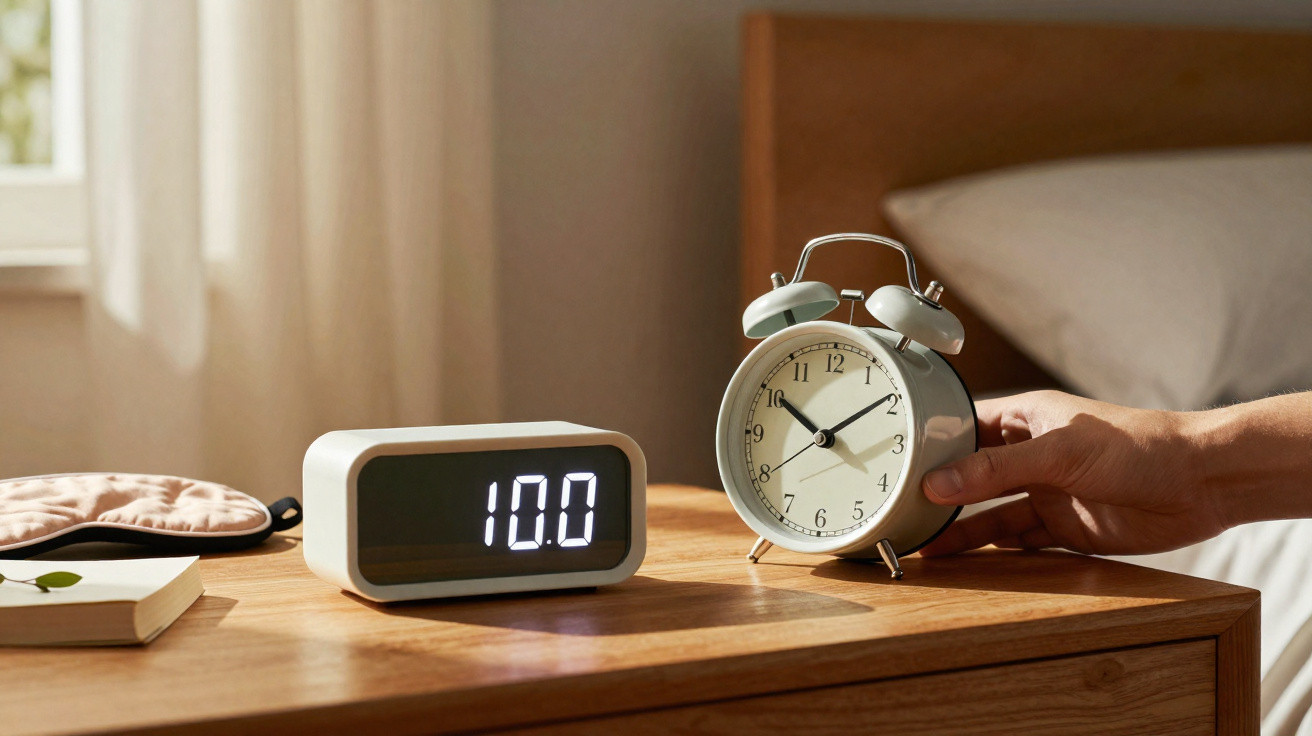
I woke before my alarm, which I normally regard as the universe playing a joke on me. Early grey daylight filled the room, but I did not have the glazed-over hangover that follows a night of scrolling. A rested mind has a distinct quality that is difficult to explain until you experience it: it is like the difference between butter taken straight from the fridge and butter left out for just long enough. My coffee tasted more vivid, perhaps because my brain was fooling me, but I had no complaint. I replied to two emails in half the usual time and did not read them five times hunting for accidental humiliation.
The day did not become a highlight reel of achievements. It remained a normal day of buses, meetings and an excessively loud dishwasher. Still, I noticed gaps where I would usually have floundered. At eleven, I selected the job I had been avoiding because it no longer felt like shoving a fridge uphill. Sleep changed the way my mornings felt before it changed the numbers on my tracker. The glasses did not turn me into a superhuman. They left me sufficiently unflustered to be a human being on time.
Blue-light blocking glasses as rituals, not reprimands
As a phrase, sleep hygiene is about as appealing as a spreadsheet. It suggests rules you will abandon by Thursday and a monastic existence that disapproves of evening enjoyment. I am not suggesting you give up television or TikTok. I am suggesting that small, neatly layered prompts can make the evening feel less like a precipice. Blue-light blocking glasses became my first domino. Within a week, lamplight seemed brighter than phone light, and the bedside book had a genuine chance.
Let us be realistic: nobody manages this every single day. We slip back, binge-watch and send one final message that becomes fifteen. The point is not flawless obedience. It is to make the easiest route lead towards rest rather than stimulation. The glasses now sit beside the remote, making them something I can reach for rather than a ritual I must remember. One success encourages the next: dimmer lighting, a gentler pace and going to bed at a sensible time without giving myself a lecture.
The unexpected workday effect
The greatest surprise was not falling asleep more quickly, although that was welcome. It was the following day’s productivity, which arrived less like fireworks and more like a comfortable pair of shoes. I sent emails without my usual fuss, wrote without disappearing down tab-related spirals and made decisions a fraction faster. The difference emerged in small moments: settling on an email subject line first time, bypassing the snack cupboard at four and going outside for ten minutes without an internal battle. Focus felt less like flexing a muscle and more like standing straight.
Productivity is often presented as hustle, as though you are a battery with an inspirational quote stuck to it. That kind of energy is difficult to summon after four uneven hours of sleep. Well-rested brain cells fire more clearly, inhibition settles down and working memory stops dropping everything on the floor. The day after using amber lenses felt as though someone had cleared a backlog of tabs from my head. The work was not easier. I was.
Not magic, just a helpful prompt
Are blue-light glasses a scam? I asked myself precisely that while watching an influencer wave orange frames around as if they were a new pet. Some studies suggest they assist with sleep onset, while others indicate the benefit is not enormous. That uncertainty is genuine. How much they matter in real life depends on what your evenings look like. If your nights are lit like a stadium, the prompt may be noticeable. If you already spend them with candles and poetry, you may simply shrug.
The interesting point is how little it costs to test. You are not rewiring your home or giving up screens. You are trying a filter that supports an ancient system your body already operates. If you notice even a ten percent difference in how quickly your shoulders relax at night, that may be sufficient. You will know within a week. It is not a magic wand, but it may be a small lever, and small levers can shift heavy days.
How I use them without overhauling my life
The approach I settled on is uncomplicated. In winter, I put the glasses on around sunset; when days stretch longer, I wear them an hour before bed. I switch my phone and laptop to warm mode, not because the internet instructed me to, but because my eyes feel calmer and I want to preserve that feeling. If the television is on, so are the glasses. When I read on a tablet, I lower the brightness and set a timer. That is all. There is no candlelit monk’s cave and no app that punishes me for scrolling.
If I forget, I do not deliver a speech to myself about discipline. I pick them up the following night and continue. Blue light is not the enemy; the timing is what matters. The body responds to signals, and light is the strongest signal we have. Small rituals beat heroic discipline when the sun goes down. The glasses became a signpost. My brain sees it and creates a different ending for the evening.
A faint scent and quieter sound
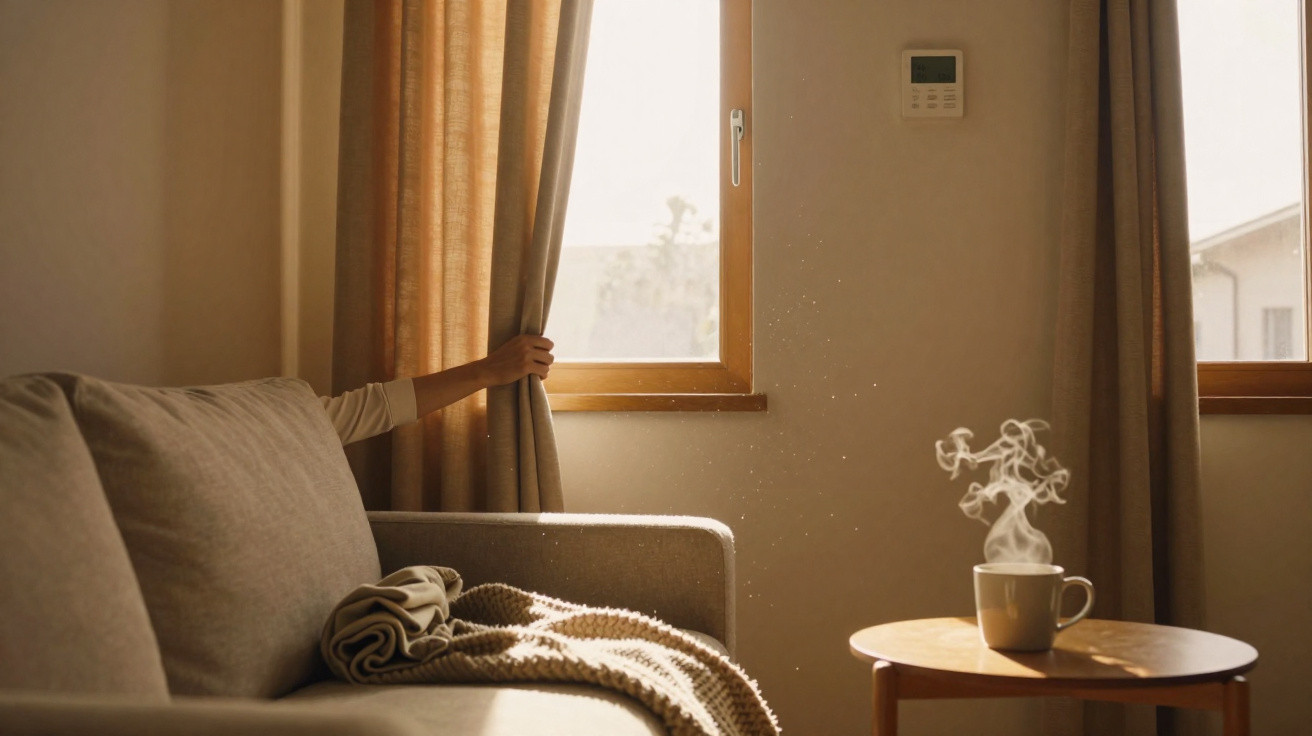
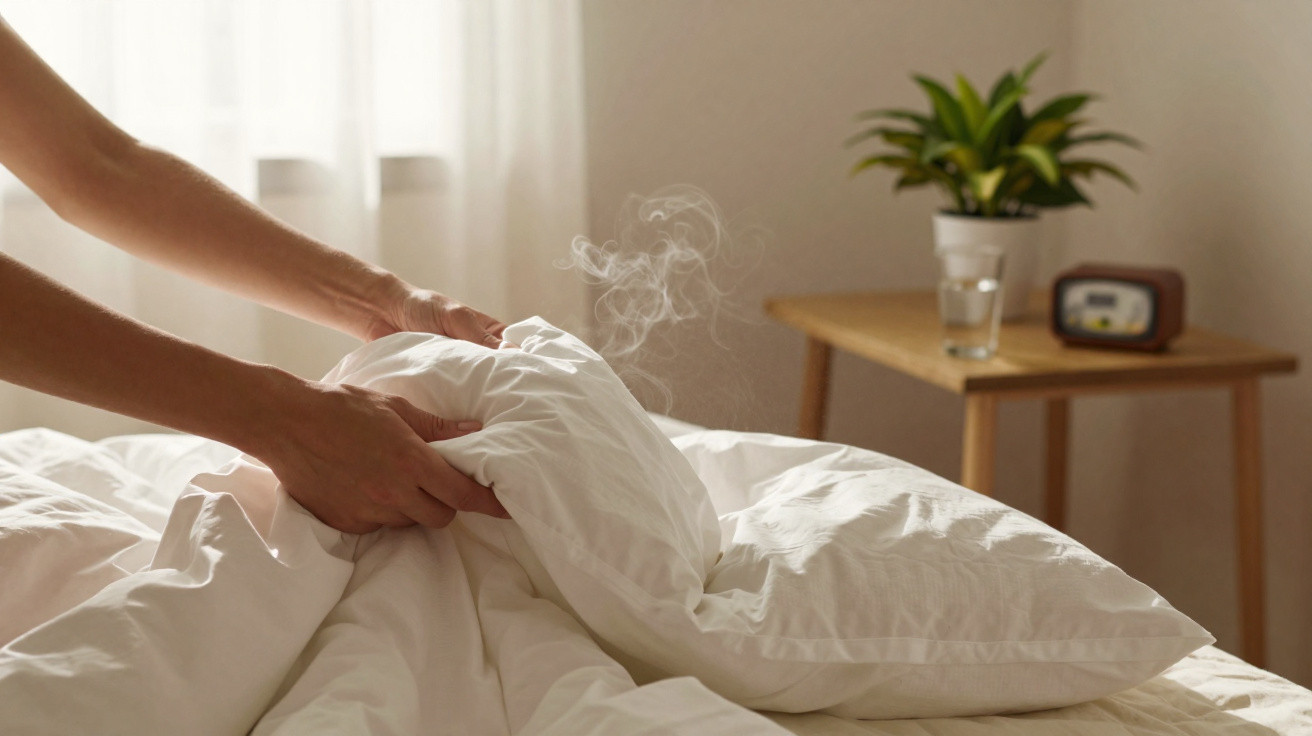
There is a sensory element that people rarely mention because it sounds a little airy-fairy until you experience it. Warmer lighting changes how your home seems to sound and smell. Steam from the kettle carries notes of paper and bergamot. A paperback page makes a soft whisper as you turn it, instead of the firm tap-tap of a glass screen. This does not mean you have turned into a cottagecore poem. It means the room stops shouting “day” at you, and you stop shouting back.
This change is not precious; it is useful. Once your senses no longer feel braced, your body can release the day. The glasses encourage that state without demanding it, which matters when evenings are chaotic and imperfect, with children, emails or a late train involved. The aim is not a flawless routine. It is simply to have fewer reasons to remain awake arguing with your phone.
The candid part people leave out
I would love to claim I became a sleep saint, tucked up by ten with cinema-worthy dreams. On some nights, I stayed awake watching a documentary about bread. On others, I forgot the glasses and only remembered when the ceiling had become a bright white rectangle at midnight. Even so, progress found its way in. My baseline changed. My average bedtime moved twenty minutes earlier, my morning grumpiness eased by a degree and work felt less like a narrow bridge.
When I encouraged friends to try them, those who continued shared the same main takeaway: they did not have to struggle with themselves as much. That has value in a world built from tiny frictions. Your boss need not know why your email sounds cleaner. Your family will just notice that you are less prickly at breakfast. The shift is quiet and almost private, which is what makes it sustainable.
When life demands more than it returns
Some weeks crash through every routine you have created. There is launch week, exams or a baby who believes the moon is a nightclub. The glasses will not repair those weeks. They can make recovery simpler. Sleep comes back sooner when habit invites it rather than force wrestles it into place, and the productivity effect follows at a respectful distance. Think of it less as optimisation and more as leaving a chair for your future self.
We keep our willpower for major challenges. Everything else is architecture. Light bears weight in that structure, and artificial light at night has been slowly pulling down our internal walls for years. Wearing the glasses is like fitting a supporting beam. You stop noticing the draught. By morning, the house holds together more effectively.
A brief note for sceptics and the curious
What to notice during your own trial
If you give this a go, allow seven to ten days rather than relying on one ambitious evening. Pay attention to how quickly sleepiness appears. Check your mood in the morning before caffeine. See whether your hunger for digital crumbs settles around bedtime. Put the frames beside one of your evening anchors: the television remote, kettle or charger. Do not make it precious or Instagrammable; make it effortless.
If you use prescription lenses, clip-ons and overlays are available to do the same job. If you are concerned about looking unusual, pick clear-lensed glasses that still filter enough of the blue spectrum for the time of day. You do not need to wear full orange ski goggles to get a helpful prompt. Treat them as part of an evening uniform, like slippers you barely realise you have on. The less attention you pay to them, the more effectively they work.
The understated benefit
I do not evangelise about many things. Life is noisy enough without adding another obligation. Still, I keep returning to how that muted amber tint made my nights less sharp and more rounded, less frantic and more manageable, then gently brought focus to my mornings. I went from forcing myself through jobs to arranging them calmly, like stacking mugs in a cupboard. That is not miraculous. It is rest finally being allowed to do its work.
There is a boundary between a gimmick and a gentle aid, and, for me, blue-light blocking glasses land on the useful side. They seem minor, even slightly ridiculous, until they do not. If your nights feel like a drawn-out argument with the modern world, let your brain hear a different accent. Allow the lights to dim in a way you cannot debate. Then see what happens when the sun rises and your day meets you where you are, rather than where your phone left you.






Comments
No comments yet. Be the first to comment!
Leave a Comment