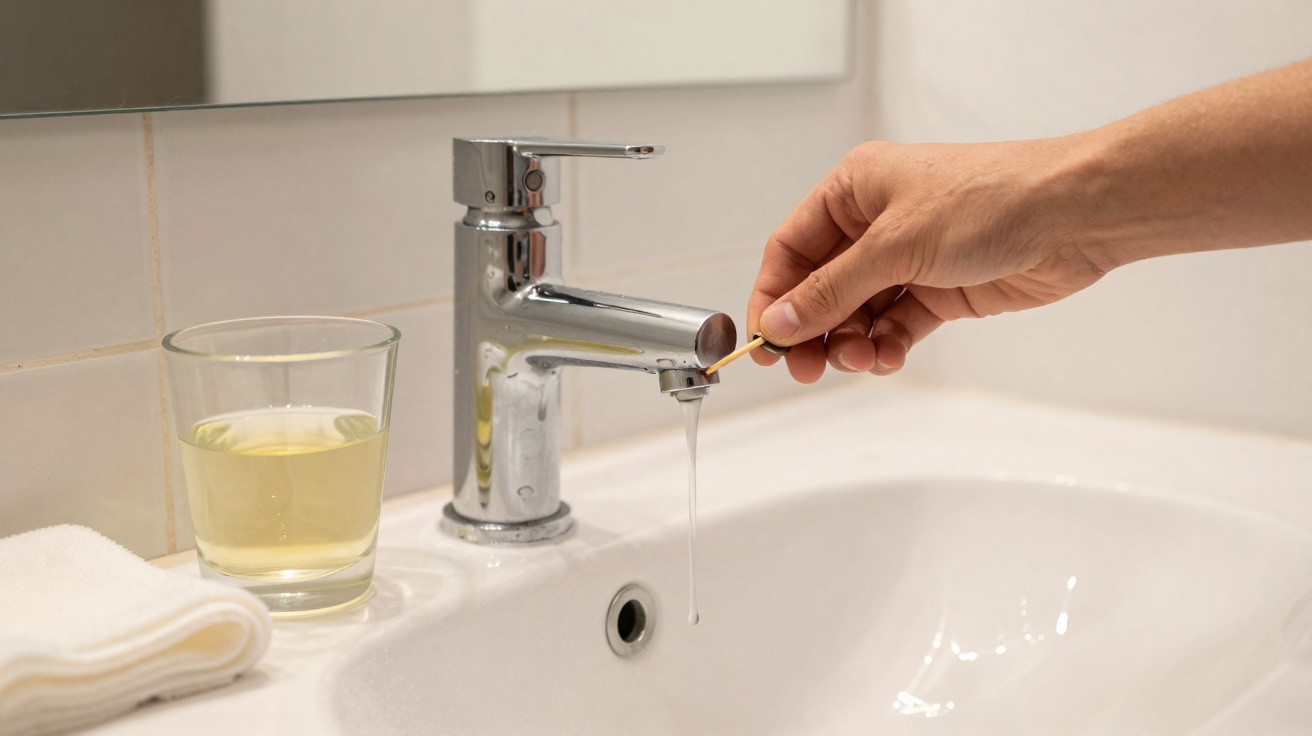
The bathroom appears spotless.
There are fresh towels, a faint lemon scent and no visible dirt. You would happily let visitors use it without hesitation. But one item, sitting in the centre of this pristine-looking space, quietly gathers moisture, dust and bacteria - and is hardly ever cleaned with a sponge.
We wipe down the basin, scrub the loo and, on particularly motivated days, even disinfect the taps. Yet the accessory we handle every morning and evening is often left alone, becoming tacky around the rim and gradually taking on a slight yellow tinge.
One sunny Tuesday, I watched a professional cleaner work her way through a compact city flat. She moved quickly, with the practised pace of someone familiar with last-minute guests and landlord inspections. When she reached the bathroom, she did not start with the toilet. Instead, she immediately went to another object.
Pointing at it with a smile, she said: “Nobody ever cleans that.”
The dirtiest “clean” spot in your bathroom
The overlooked item is your toothbrush holder.
It is not the toothbrush, nor the electric charging base you use twice a week. It is the cup, stand or wall-mounted rack where brushes sit and drip throughout the day. That small accessory can quietly become a personal swamp of dried toothpaste, saliva traces and limescale marks.
Every day, tiny droplets run off the bristles and collect in the bottom of the holder. They remain there, particularly in the weighty ceramic pots many of us favour. Combine that with warmth, humidity and poor airflow, and you have made a pleasant little spa for germs. It may look harmless on the shelf, but it is not.
In a rented Manchester studio, a toothbrush holder on the shelf seemed perfectly fine at first glance. It was white ceramic, minimalist and had a vaguely “hotel bathroom” feel. A closer look revealed something quite different.
The glaze inside had developed pale brown staining. A chalky ring covered the base, as though somebody had filled it with coffee, left it there and emptied it two weeks later. Lifting the brushes released a slight smell somewhere between a damp cloth and old coins.
When the tenant eventually soaked the holder in hot water and gave it a shake, small pieces of dark residue rose to the surface. Nothing spectacular, just discreetly unpleasant. It is the sort of dirt that never features in Instagram cleaning videos, despite being part of daily life.
Research has shown that toothbrushes may carry a mixture of bacteria, ranging from harmless skin microbes to less welcome organisms from toilet spray. Consider, then, the container that catches every drip and remains wet for hours. It can become a comfortable base for anything the bristles come into contact with.
A toothbrush holder seldom dries completely, especially when it is shared by several people. Water becomes trapped in the base, behind tight openings or beneath a plastic insert. That ongoing dampness allows biofilm to develop - a slimy coating that sticks to surfaces and will not vanish with a quick rinse.
Then there is toothpaste. It runs down the brush, clings to the holder, dries hard and catches further grime like flypaper. Even if you diligently replace toothbrushes every three months, you may be returning them to a small, unwashed pool of residue. It is a little like putting on clean socks daily while never washing your shoes.
How to clean a toothbrush holder properly without making it a chore
Begin by removing everything from the holder. Take out every brush, spare floss pick and that random razor which somehow found its way in there. You need the accessory completely empty, ideally beside the kitchen sink where there is hot water and enough space for splashing.
Half-fill it with very hot water and add a squeeze of washing-up liquid. Where the material permits it - ceramic, glass or robust plastic - add a tablespoon of white vinegar. Leave it to soak for at least 10–15 minutes. Next, use a bottle brush or old toothbrush to scrub the inner edges, paying particular attention to the base where residue collects.
Rinse it beneath hot running water until it no longer feels slimy. If the holder has individual sections or holes, give each one a few seconds of attention rather than simply swirling water around the centre. For particularly stubborn marks, add a little bicarbonate of soda, scrub once more and rinse well so that no gritty powder remains.
Let’s be honest: nobody really does this every day.
After cleaning the holder, the key is stopping it from returning to swamp-like conditions. One easy step is allowing it to dry fully once or twice each week. You could turn it upside down on a clean towel after brushing at night, or leave it in a sunny window for a few hours at the weekend.
Where several people use the same holder, allow enough room between brushes. Crowding means toothbrushes touch each other, remain wet longer and create more drips. A holder with separate slots and ventilation holes allows every brush to air properly. It may not look as “styled” as a tightly packed cup, but your mouth will quietly appreciate it.
Some people prefer wall-mounted racks to cups. Water drips directly into the basin instead of collecting in a container, meaning fewer puddles and less build-up. Even so, these racks still need wiping from time to time, especially around the base where toothpaste splashes settle and dry like cement.
“On a deep clean, the toothbrush holder is often the most disgusting thing I find,” admits Claire, 37, who cleans about 25 bathrooms a week professionally. “People are shocked when I show them the rinse water. They think it’s the toilet that’s the worst. It rarely is.”
Her observation strikes a chord because we all like to think of the bathroom as “clean”, while our mental checklist often misses the smaller details. This does not require a military-style routine. It simply means giving this little object some attention now and then, much as you would wash a coffee mug used every day.
- Do a quick visual check once a week: is there a ring, stain or smell? If so, rinse it.
- Deep-clean it every 2–4 weeks with hot water, soap, a little vinegar and proper scrubbing.
- Turn it upside down to dry regularly, breaking the cycle of permanent dampness.
Rethinking what “clean” means in the bathroom
Once you have seen the inside of a neglected toothbrush holder, there is a subtle change in perspective. You cannot really unsee it. The next time you enter somebody’s bathroom, your attention may automatically dart towards the cup beside the basin.
Not as a judgement, but as a small human curiosity. We all understand how life gets in the way: children, delayed trains, work pressure and washing-up piling high. Thoroughly cleaning a toothbrush holder does not usually sit near the top of the list. During a difficult week, it may not even appear on the list at all.
Still, the adjustment is minor. Perhaps it is a two-minute task once a month, or a quick soak while replying to a message or waiting for the kettle to boil. It is not the kind of action that announces “perfect housekeeping” to anyone else, but it quietly changes the everyday atmosphere of your home.
In practical terms, your brushes dry more effectively, smell fresher and last nearer to the period recommended by dentists. Emotionally, it satisfies the desire for a room that genuinely feels clean rather than merely looking good in a filtered image. The bathroom feels less like a “public restroom” and more like a personal sanctuary.
We have all experienced the moment when familiar household items suddenly look as though they belong to somebody else. The chipped mug. The dusty lamp. The toothbrush holder with its cloudy ring at the bottom. That sudden realisation may feel a little embarrassing, but it can also be oddly motivating.
Perhaps that is where a realistic, human approach to cleanliness begins. Not with flawless white tiles or a costly diffuser, but with small, slightly unpleasant reality checks. They are the dull, unglamorous places we overlook, even though they are part of our routine twice every day.
Next time you brush your teeth at night while half-asleep, look at the place where your toothbrush will sit until morning. Then consider whether that small accessory deserves fifteen minutes of your weekend. It is a minor choice, but it could alter how you see the entire room.
| Key point | Details | Why it matters to readers |
|---|---|---|
| How often to clean the toothbrush holder | Rinse it weekly with hot soapy water, then give it a more thorough scrub using vinegar and a brush every 2–4 weeks, based on the number of users and the humidity of your bathroom. | It provides a manageable schedule you can realistically maintain, rather than a daily routine you will give up after three days. |
| Best products to use | Hot water, ordinary washing-up liquid, a splash of white vinegar and a soft bottle brush or old toothbrush will generally do the job; avoid strong bleach on metal or delicate finishes. | These are household items you are likely to own already, so there is no need to buy specialist “bathroom cup cleaner” products or spend extra money. |
| Choosing a more hygienic holder | Choose designs with drainage holes, removable trays or open sides, and avoid deep, narrow cups that retain water at the bottom and never dry fully. | It helps you make a better next purchase, allowing the holder to stay cleaner for longer and reducing time spent scrubbing stubborn grime. |















Comments
No comments yet. Be the first to comment!
Leave a Comment