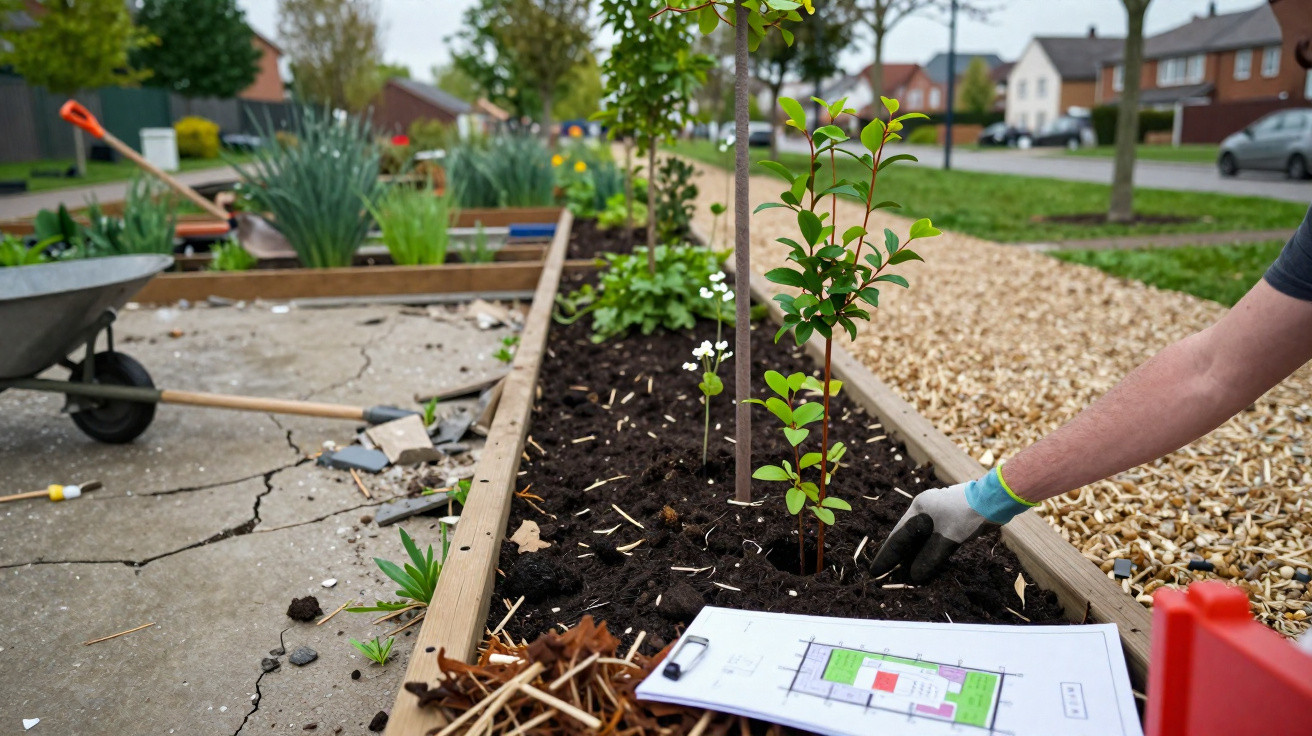
An empty plot can be more than an eyesore. In built-up neighbourhoods, neglected land can mean broken walking routes, little shade in hot weather, poor drainage during heavy rain and fewer places to sit, play or spend time outdoors. The core idea behind a new US funding programme is straightforward: treat unused urban land as green infrastructure rather than leftover space.
The Bezos Earth Fund announced on 7 July 2026 that it would provide $100 million for projects in eight American cities. The proposed work includes pocket parks on vacant plots, wetlands, tree-lined trails and a public park on land released by a former highway interchange. For UK readers involved in regeneration, housing, grounds maintenance or community projects, the key lesson is not the scale of the donation. It is the need to create useful spaces with a realistic plan for their care after the opening day.
What the funding is intended to support
The money forms part of the Bezos Earth Fund’s Greening America’s Cities programme. The eight recipient cities are:
- Allentown, Pennsylvania
- Atlanta, Georgia
- Cleveland, Ohio
- Indianapolis, Indiana
- Little Rock, Arkansas
- Los Angeles, California
- Salt Lake City, Utah
- Sioux Falls, South Dakota
The schemes are not designed to follow a single template. Some involve former industrial or transport land, while others focus on small public plots within residential areas. The shared aim is to make land work harder: offering places for people while adding trees, habitat and better ways of managing rainfall.
The fund says this round would take its commitment to $150 million across 11 cities, within a wider aim to invest $400 million in urban green spaces in the United States. As with any announced regeneration programme, individual designs, timescales and delivery arrangements may change as projects develop.
The strongest regeneration schemes do not add planting as a finishing touch. They treat trees, water, access and maintenance as essential infrastructure from the outset.
Cleveland’s network of vacant plots
Cleveland illustrates why a network of smaller spaces can matter as much as one flagship park. In the Hough and St Clair-Superior neighbourhoods, the project is intended to convert 600 publicly owned vacant properties into distributed green space.
Rather than installing the same feature everywhere, many sites are expected to become naturalised landscapes. Others may be used for pocket parks, meeting areas or urban agriculture.
This approach can offer several benefits:
- More residents may have green space within a short walk.
- Small sites can interrupt long stretches of hard surfacing and dereliction.
- Thoughtful planting can create habitat links for birds, pollinators and other wildlife.
- Different plots can meet different needs, from quiet seating to food growing.
There are parallels in the UK. Cleared garage courts, surplus highway verges, stalled development plots and land held temporarily by councils or housing associations can all offer opportunities. A modest planted space that is properly maintained may be more useful than leaving a site fenced off for years.
Turning hard ground into a public landscape
Several schemes focus on land shaped by previous industrial or transport use. This is often where greening projects become technically demanding, but can also make the greatest difference.
Salt Lake City plans improvements to the 9-Line trail, including trees, water-wise planting and more shade. At Fleet Block, a former industrial brownfield site is intended to become publicly accessible green space with increased tree canopy.
In Little Rock, a 20-acre city-centre site created by the removal of a highway exit ramp is planned as a destination park linking existing riverfront green spaces. Sioux Falls plans to reclaim a degraded former quarry beside Falls Park as a public park with trails, water-edge access and gathering space.
Before construction begins: four essential checks
Investigate the ground properly. Former industrial land may need contamination surveys, remediation and careful decisions about where play areas, food growing or deep-rooted planting are suitable.
Map how water moves through the site. Swales, rain gardens, wetlands and permeable surfaces can help slow and hold water, but they need to work with the site levels, existing drains and a safe overflow route.
Keep useful character where it is safe to do so. Mature self-seeded trees, old walls, exposed stone and industrial features can give a place identity, provided they have been assessed and can be retained safely.
Plan access from the beginning. Entrances, paths, lighting, sightlines and crossings often determine whether a park feels genuinely usable, particularly for people using wheelchairs, buggies or mobility aids.
Parks for people as well as wildlife
The programme is not limited to habitat planting. Indianapolis plans a 25-acre park at Reverend Mozel Sanders Park along the White River, with wetland restoration, trees, trails, sports areas, a community farm, an orchard and open lawn. New trails are intended to link with existing greenways.
In Allentown, a largely asphalt-covered 1.1-acre site is planned to become Franklin Park, with trees, shade structures, accessible routes, seating, play space, a community garden and a basketball court. Atlanta’s proposed Four Corners Park includes accessible play and recreation space, gathering areas, community gardening and composting facilities.
Los Angeles plans to expand green space around the Watts Towers Arts Center campus, adding more outdoor space for visitors, learning and community activity.
These proposals underline an important principle: urban nature projects do not have to choose between biodiversity and people. A well-designed site can include quieter planted areas alongside play, sport, seating and spaces for events.
A wildflower area is not a substitute for a safe path, a bench, shade or somewhere for local people to gather. Good public space needs these elements to work together.
Why tree planting needs a care plan
Tree planting features strongly in the proposals, but planting day is only the start of the job. In Britain, common reasons for failure include insufficient soil volume, trees planted too close together, damage from vehicles or mowing equipment, and no agreed watering during dry spells.
Even in the UK’s generally wetter climate, young trees can struggle when warm, dry weather follows spring planting. A practical specification should include:
- species suited to local soil, wind, drought and flood conditions;
- sufficient rooting space beneath paving and paths;
- mulch, guards and stakes where appropriate, with regular checks;
- an agreed watering programme during establishment;
- replacement planting for early losses;
- inspection and pruning responsibilities; and
- maintenance funding beyond the initial contract period.
Native plants can be valuable for wildlife, but native status alone does not make a scheme successful. Planting should reflect the site conditions, intended use and habitat aims.
Common mistakes when greening neglected land
Treating every plot as a miniature formal park
Some sites are better suited to scrub, meadow, woodland edge or drainage planting than lawns and ornamental beds. Over-designing a small site can create an upkeep burden for a council, landlord or volunteer group.
Designing without local knowledge
Residents can identify informal routes, regular flooding, inaccessible entrances and facilities that are genuinely missing. Consultation cannot solve every disagreement, but it can reveal problems that drawings alone will miss.
Installing features without funding their care
Bins, benches, play equipment, paths and planted beds all need inspection and maintenance. Ownership, responsibilities and budgets should be clear before construction begins.
Ignoring hazards during clearance
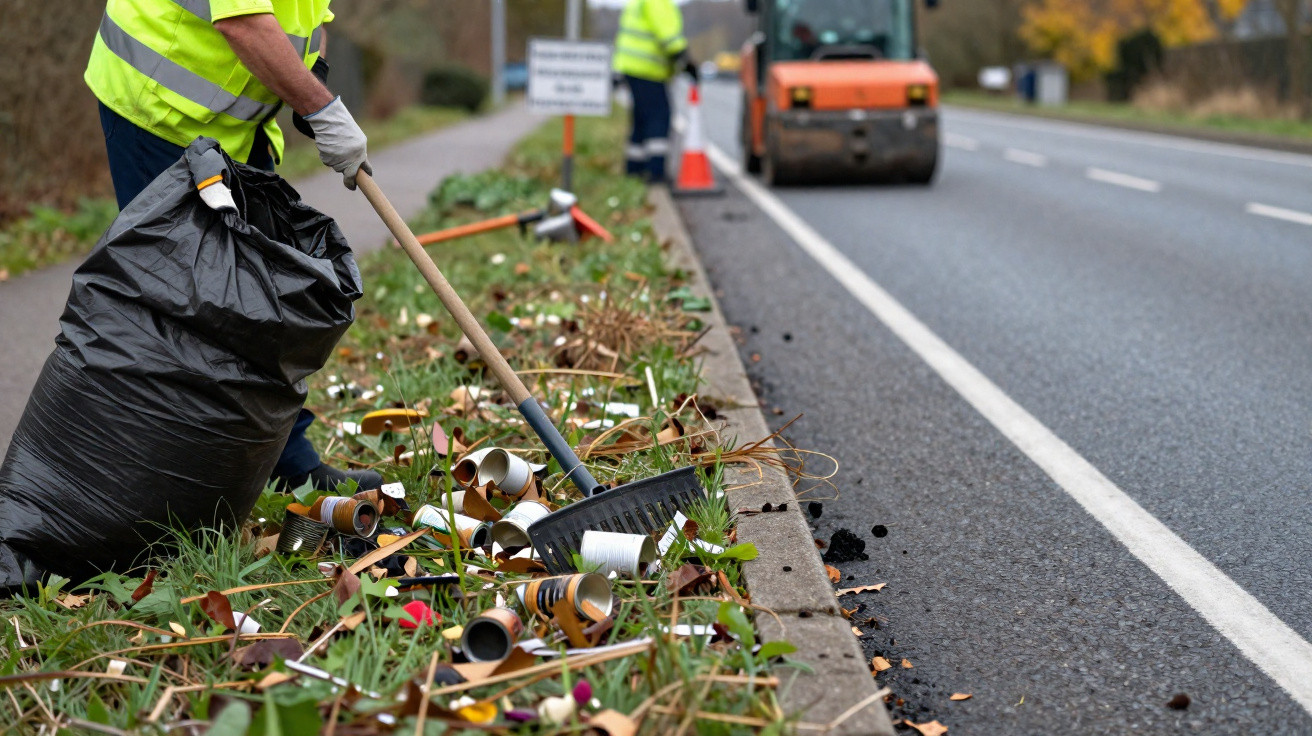
Vacant land can contain fly-tipping, sharp materials, unstable structures, invasive plants, contaminated soil or concealed services. Surveys, suitable protective equipment and competent contractors are essential. Do not disturb suspected asbestos-containing materials, chemical containers or unknown waste: keep clear of the area and seek professional advice.
Treating drainage features as decoration
Rain gardens and wetlands are not simply shallow holes filled with attractive plants. Poor levels, blocked inlets or unsuitable soils can leave water standing where it should not. These features need sound drainage design, appropriate planting and safe overflow routes.
What UK regeneration teams can take from the schemes
The US programme is unusually well funded, but its underlying methods can work at a much smaller scale. A local authority, developer, housing provider or community land trust does not need a 20-acre site to make a practical improvement.
Start with land that is both underused and connected to everyday journeys: a route to school, a station approach, an estate footpath, a high-street edge or a gap beside a watercourse. Then match the intervention to the place.
A useful early brief might ask:
- Who is within a five- or ten-minute walk?
- What is missing: shade, seating, play, habitat, flood storage or a safer route?
- Who owns the land and who will maintain it?
- What can be delivered now without ruling out worthwhile future development?
- Can the site connect to existing parks, paths, waterways or tree corridors?
Small linked interventions can add up. A planted verge, improved path drainage, a pocket park and a line of appropriately selected trees may collectively change how a neighbourhood feels and functions.
A practical test for regeneration
Neglected land does not always have to wait for major commercial development before becoming useful. It can provide shade, walking routes, wildlife habitat, food growing, sport, gathering space and better rainwater management.
The essential test comes after construction teams leave. A scheme with accessible routes, suitable planting, clear local support and a realistic maintenance plan is far more likely to become part of everyday life than a short-lived regeneration gesture. For any city looking at empty land, that is the opportunity: turn leftover ground into an asset designed to last.










Comments
No comments yet. Be the first to comment!
Leave a Comment