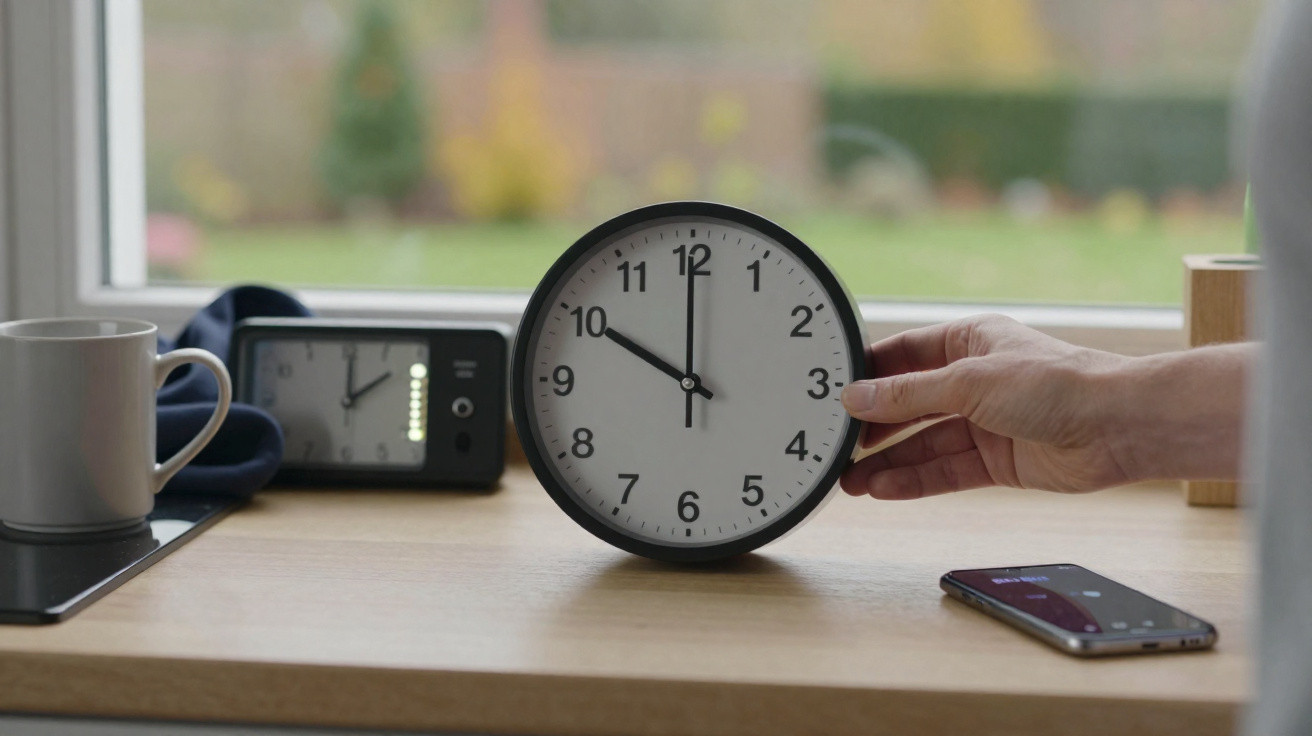
The autumn clock change can create more confusion than it ought to: the oven disagrees with your phone, an alarm appears to be set at the wrong time, and it is easy to forget whether you are gaining or losing an hour. For the UK, the essential point is simple: clocks go back by one hour in the early hours of Sunday 25 October 2026.
At 2am British Summer Time (BST), clocks return to 1am Greenwich Mean Time (GMT). GMT is the UK’s standard time, although many people simply call this the switch to “winter time”. Phones and other connected devices usually update on their own, but analogue clocks, some appliances and manually programmed timers are worth checking.
The UK clock-change date and time
In 2026, British Summer Time ends on the last Sunday in October:
- Date: Sunday 25 October 2026
- Change: 2am BST becomes 1am GMT
- Direction: clocks go back one hour
- Result: the hour between 1am and 2am happens twice
That repeated hour matters if you are working overnight, travelling, arranging an event or using a timer. Where possible, specify the time zone as well as the time: 1.30am BST and 1.30am GMT are different moments.
In October, the clocks go back and the UK returns from BST to GMT.
The autumn change is often easier than the spring one because many people get an extra hour in bed. The darker afternoons that follow can still take a little getting used to.
Do clocks go forward or back in October?
They go back in October. The familiar reminder is “spring forward, fall back”, though “autumn back” may feel more natural in the UK.
A simple way to remember it is:
- In spring, clocks go forward by an hour.
- In autumn, clocks go back by an hour.
- The October change gives you an extra hour overnight.
Earlier in 2026, clocks went forward on Sunday 29 March: 1am GMT became 2am BST. The October change reverses that shift.
Which clocks need changing?
Many devices update automatically, but not all of them. A quick check on Saturday evening or Sunday morning can prevent a missed alarm or a timer running at the wrong time.
A quick clock-change checklist
- Check your phone, tablet and computer
Most modern devices adjust automatically when automatic date, time and time-zone settings are enabled. Check before depending on an alarm for an early shift or journey.
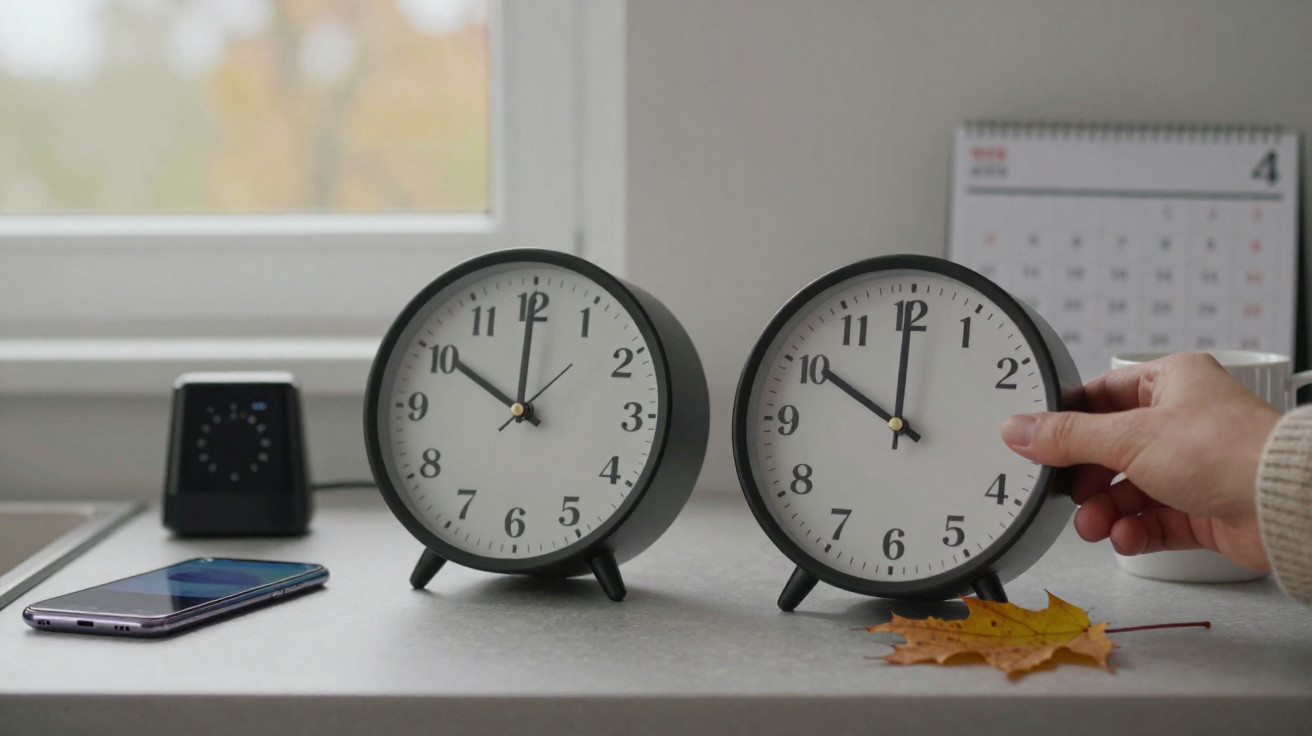
- Reset analogue clocks and watches
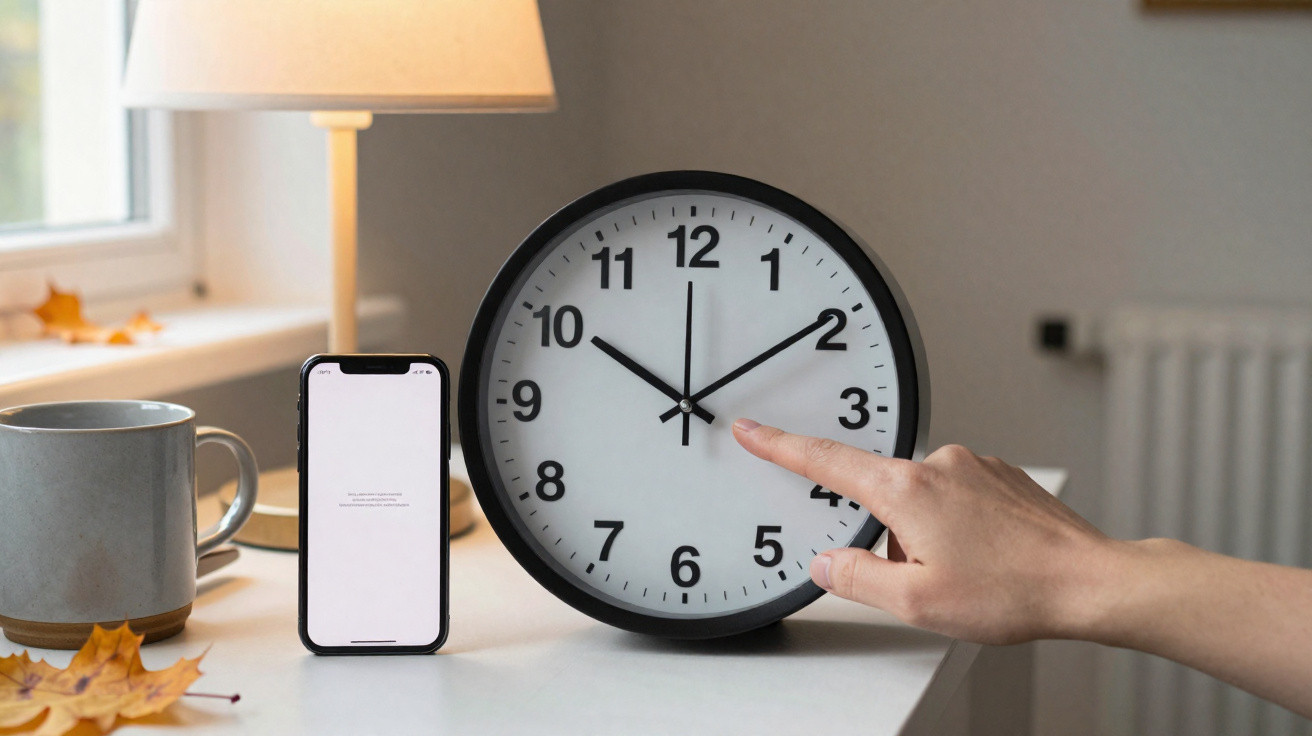
Wall clocks, mantel clocks and many watches need moving back one hour. If a watch has several buttons or a complicated display, use its instructions rather than repeatedly pressing settings at random.
- Look at kitchen appliances
Ovens, microwaves, coffee machines, air fryers and older digital radios may need adjusting manually. An incorrect display is harmless, but an incorrect cooking or wake-up timer may not be.
- Review smart-home routines
Smart speakers, lights, security systems and heating controls often update automatically. Check any schedule set to run during the repeated 1am hour, particularly if you are away from home.
- Confirm travel arrangements
Rail, coach and air operators plan for the clock change, but tickets and booking confirmations may show local time. Check directly with the operator if you are travelling overnight or very early on Sunday.
What changes across the UK?
The whole United Kingdom changes at the same moment. England, Scotland, Wales and Northern Ireland all move from BST to GMT on Sunday 25 October 2026.
Much of Europe also changes clocks around this period, though the displayed hour differs. Countries using Central European Summer Time, for example, move from 3am to 2am, while the UK moves from 2am BST to 1am GMT.
Not every country uses seasonal clock changes. Iceland remains on the same time throughout the year, while other countries follow their own arrangements. If you are arranging an international call, delivery or journey, check the current local time rather than relying on the usual time difference.
Why the UK changes the clocks
British Summer Time was introduced to make better use of daylight during the lighter months. Moving clocks forward in spring means there is more daylight later in the evening according to the clock.
The UK’s arrangements have changed at points in history, including during wartime, but the present pattern is familiar: GMT in winter and BST from the last Sunday in March until the last Sunday in October.
The original arguments included reducing reliance on artificial lighting. Household energy use is now more complicated, with heating, cooking, appliances and individual routines all playing a part. The clock change should not be treated as a dependable way to reduce household bills.
There is regular debate about whether the UK should retain the twice-yearly change. For 2026, however, the existing arrangements remain in place.
Helping your household adjust
An extra hour can still disrupt routines, especially for families, shift workers and pets. The earlier darkness in late afternoon is often the most noticeable change.
A few small preparations can help:
- Keep bedtime and waking times broadly consistent over the weekend.
- Spend some time outside in morning daylight if you can.
- Avoid an unusually long lie-in if you need to return to an early routine on Monday.
- Prepare school bags, work clothes and packed lunches on Sunday evening.
- Adjust timed pet feeding routines gradually where practical, rather than making a sudden large change.
If sleep difficulties are ongoing or affecting everyday life, seek advice from a suitable healthcare professional rather than assuming the clock change is the only cause.
Let automatic devices update themselves, then check the clocks and timers that control something important.
Common mistakes to avoid
These are the errors most likely to cause trouble on clock-change weekend:
- Changing the clock the wrong way: October means back one hour; March means forward one hour.
- Changing an automatic device twice: Check the displayed time before altering a phone, computer or radio-controlled clock.
- Forgetting heating or lighting timers: Make sure the displayed time is correct before changing a schedule. Follow the manufacturer’s instructions if you are unsure.
- Assuming every country changes at the same time: International meetings and travel plans can be affected by different time-zone rules.
- Ignoring the repeated hour: For overnight work or timed recordings, write BST or GMT rather than only “1am”.
- Changing medicine routines without advice: Do not alter a dose or prescribed schedule because of the clock change. Follow the instructions supplied with the medicine, or ask a pharmacist or prescriber if timing is unclear.
- Using an unsafe way to reach a high clock: Use a stable step stool on a level floor, not a chair or worktop.
A practical plan for Saturday 24 October
There is no need to stay awake for the change. A few minutes of preparation will usually do.
On Saturday evening, make sure your phone is set to update time automatically and check alarms for any early journey or shift. Note the clocks likely to need manual adjustment, such as a watch, microwave, oven or bedside alarm clock.
On Sunday morning, set those clocks back by one hour and check timed routines, especially heating, lighting and kitchen appliances. If you are travelling or working overnight, confirm timings with the operator or employer.
For the UK in 2026, the key detail is this: at 2am on Sunday 25 October, BST ends and clocks return to 1am GMT. A quick check of alarms and timers will make that extra hour far less confusing.










Comments
No comments yet. Be the first to comment!
Leave a Comment