
By the end of summer, Claire’s house still held on to heat about as well as a sieve holds water. In her son’s bedroom, the north-facing wall felt cold to the touch from the morning onwards, while the heating bill on the kitchen table gave her the familiar knot in the stomach that so many people know. She had heard about MaPrimeRénov’, applications being put on hold, changing rules and tradespeople who were hard to reach. So she hesitated: should she start the work now, wait until winter, or put it off for another year? For households considering insulation, autumn remains a crucial period. The smallest details can make all the difference.
Insulation: what is genuinely changing in MaPrimeRénov’ applications this autumn
For many homeowners, the major shift is not so much the removal of support as the way the project must be presented. MaPrimeRénov’ is increasingly making a clear distinction between work carried out one measure at a time - insulating a loft, floor or walls - and major renovation projects, which require more structured support. In practical terms, this means more detailed quotations, additional evidence and closer scrutiny of whether the proposed work is consistent. Insulating a single part of a home can still make sense, particularly in an older property where the loft is the main weakness. However, the application needs to present a credible case: that the home will genuinely use less energy.
For a family living in a 1970s detached house, insulating an unused loft can alter the feel of the home from the first cold nights. ADEME often points out that a poorly insulated roof may account for up to 30% of a home’s heat loss, a figure that becomes immediately meaningful when radiators are running but the hallway never gets warm. This autumn, low-income and very low-income households continue to receive the greatest support, with grant scales depending on income, location and the type of work. Owner-occupiers are not the only people affected: landlords may also apply, subject to conditions. The sensible first step remains straightforward: check the current scale before signing anything.
Recent changes have also reinforced a sometimes frustrating reality: support does not operate as an automatic reimbursement. In most cases, the property must have been completed more than fifteen years ago; the equipment and materials must meet minimum performance standards; and the chosen firm will generally need RGE certification. The cheapest quotation is not always the one that best safeguards a project. Inspections are becoming more frequent, especially for external wall insulation projects or applications with unusually high costs. That is certainly a constraint, but it is also a way to prevent rushed renovations that leave residents with new walls and unchanged bills.
Who can still apply for support to insulate their home?
Before rushing to find an available tradesperson, it is wiser to open a personal application and gather the key information: tax assessment, property address, construction year, status as an occupier or landlord, and initial ideas for the work. The official France Rénov’ simulator provides an estimate without guaranteeing a final amount. This stage can feel administrative and rather impersonal, but it prevents unwelcome surprises. A middle-income household cannot access the same support as a very low-income household, while a landlord must meet specific commitments to their tenant. Tax reference income remains the figure that opens - or closes - a large share of the available options.
The most common mistake is often made in a moment of enthusiasm: signing a quotation to “reserve a slot” before submitting the application. Many people do this in good faith, especially when a tradesperson says their schedule is full until January. Yet, depending on the route selected, starting work or entering into a contract too early can jeopardise eligibility for MaPrimeRénov’. Let us be honest: after a day at work and three phone calls, nobody really reads every bit of small print. Ask the company to confirm in writing that its quotation meets the technical requirements, then retain every document. A reputable business understands that caution; it does not use it against the customer.
For whole-home renovations, using an approved adviser often becomes essential, as they help create a coherent plan and collect the required documents. For a single insulation measure, speaking to a France Rénov’ adviser may already be enough to clarify the timetable, spending caps and any possible combination with energy savings certificates.
“A strong application does not begin with the promise of a grant, but with an honest assessment of the house and the needs of its occupants.”
- Check that both the property and the applicant meet the scheme’s conditions.
- Select an RGE-certified company before finally accepting the quotation.
- Submit the application through the official platform before work begins.
- Compare MaPrimeRénov’, CEE and local support, without claiming the same expense twice.
The right time to act may not be when you think
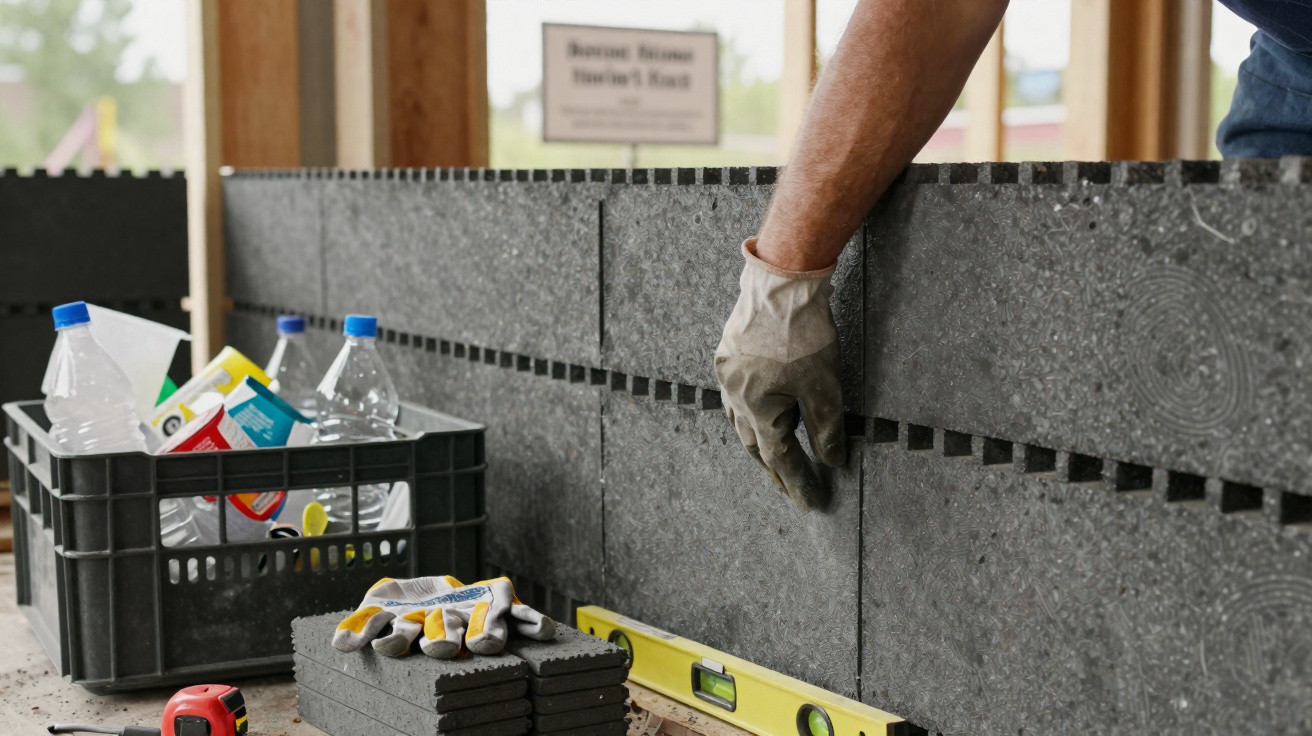
As winter approaches, urgency can sometimes lead people to focus only on the size of the grant. Yet the best decision is often determined by a very practical detail: the part of the home that is genuinely uncomfortable. A freezing loft, a floor above a cellar, a north-facing bedroom or damp walls do not call for the same solution. Loft insulation can be quick and highly cost-effective; external wall insulation makes a more substantial change to the property, but requires a larger budget and more extensive work. The right work is not necessarily the most dramatic. It is the work that solves the problem felt every day without causing disruption elsewhere.
Households still able to benefit from MaPrimeRénov’ this autumn would therefore do well to proceed methodically, even if it is tempting to complete everything before the first frosts. One call to France Rénov’, two comparable quotations, and a careful check of dates and qualifications: this takes a few hours, sometimes a few days. In return, it can prevent the loss of support or the late discovery that an insulation material does not meet the criteria. Budget rules can change and funding pots are sometimes under pressure; only the decision notified on the application offers real certainty. Energy renovation is a matter of figures, but above all it concerns comfort, sleep and homes where people can finally stop turning the heating up to full.
| Key point | Detail | Benefit for the reader |
|---|---|---|
| Apply before work starts | The administrative timetable may determine eligibility for MaPrimeRénov’. | Avoid losing support after signing too quickly. |
| Use an RGE-certified company | This qualification is generally required for funded insulation work. | Protect the application and the quality of the work. |
| Compare the available routes | A single measure and a major renovation do not follow the same rules. | Select the support best suited to the property and budget. |















Comments
No comments yet. Be the first to comment!
Leave a Comment