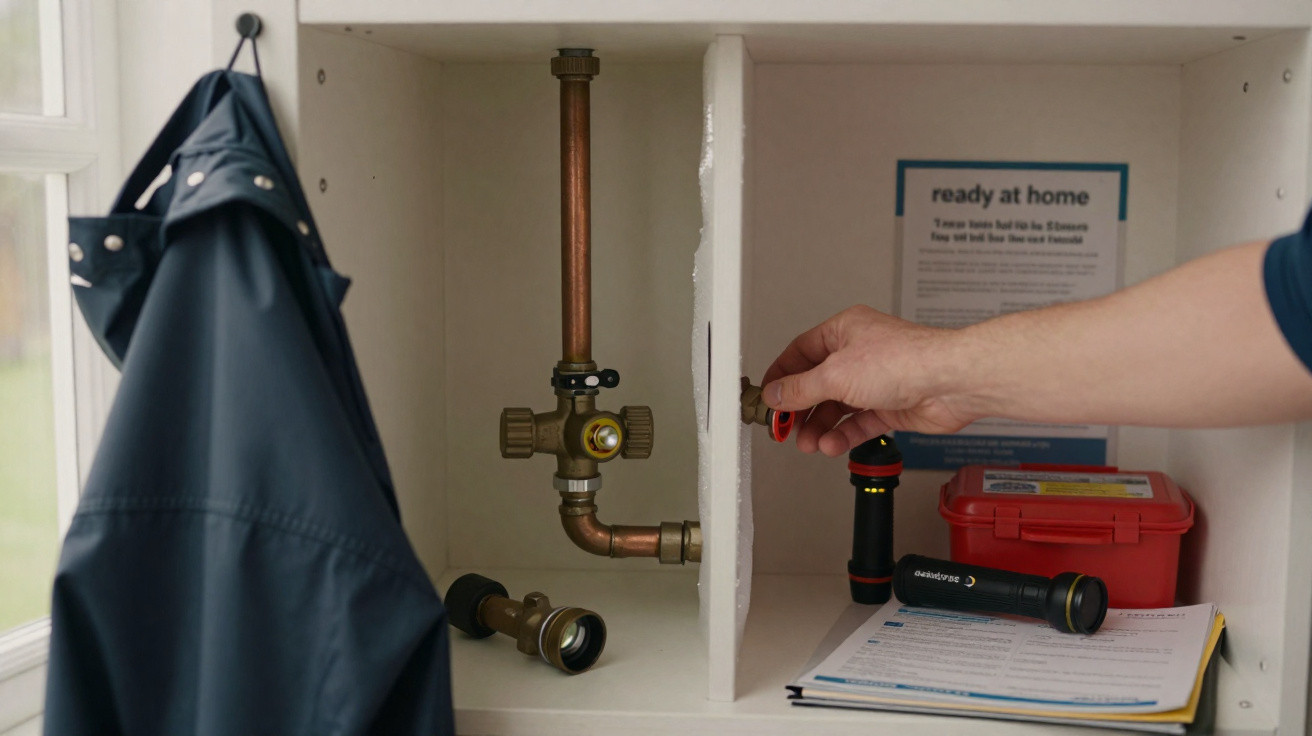
A power cut, a burst pipe or a week of freezing weather can expose how much a home depends on systems we barely notice when they are working. The reassuring part is that you do not need to become a builder, install an off-grid system or fill the loft with expensive gadgets to be better prepared.
The practical trick is to start small: know where the essential controls are, keep a few useful supplies together and learn which household jobs are safe to attempt. The sentiment in the title is about feeling welcomed; at home, a little practical confidence can create a similar sense of security when something unexpected happens.
“A prepared home is not one that never has problems; it is one where people know the safe first step.”
Start with the systems you already have
Before buying anything, take an hour to understand the basics of your property. This is particularly worthwhile in the UK, where homes can range from Victorian terraces with solid walls to newer flats with communal services and modern heating controls.
Every adult in the household should know where to find:
- the internal water stopcock;
- the electricity consumer unit;
- the gas emergency control valve, if the property has a gas supply;
- the boiler instructions and pressure gauge, where relevant;
- smoke alarms and carbon monoxide alarms;
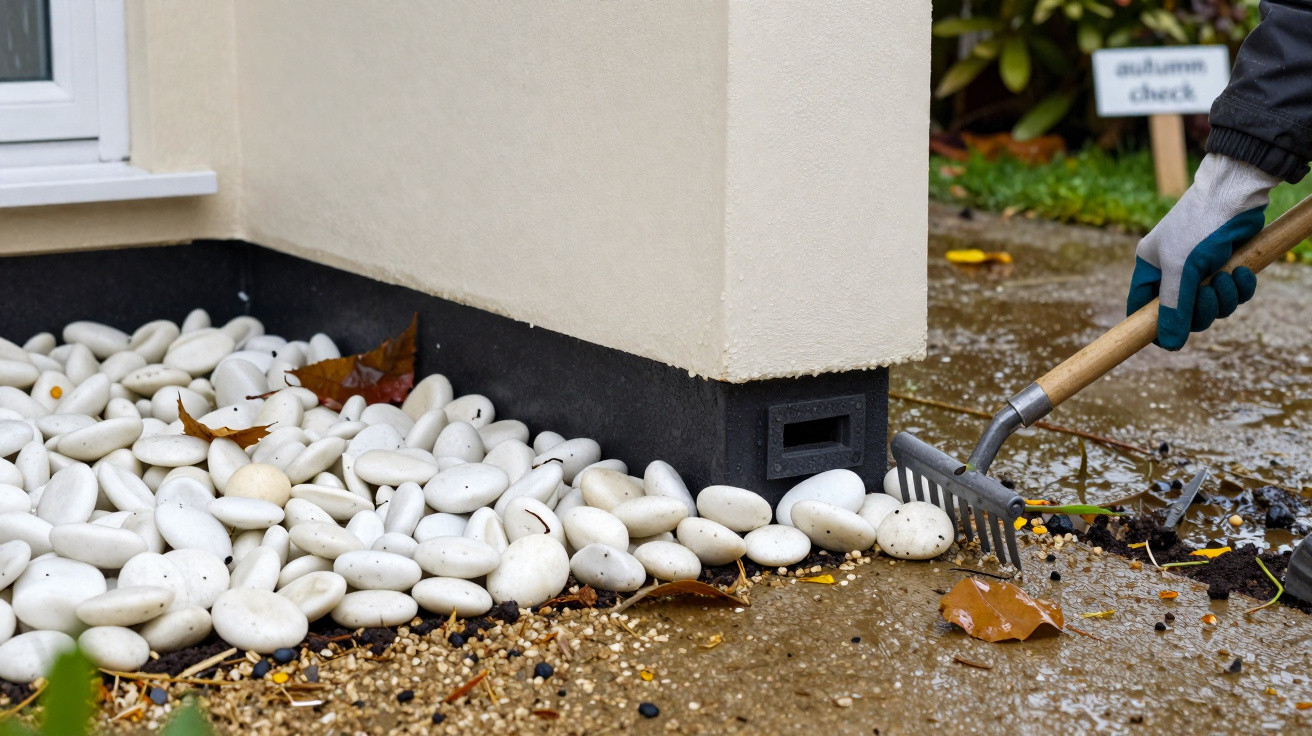
- the main ventilation points, such as extractor fans and air bricks.
Take clear photographs of controls and their labels while the lighting is good. Store them in a shared household folder on your phone, but keep a torch nearby too: a phone battery is not much help during a longer power cut.
If you rent, ask your landlord or managing agent to show you the location of the stopcock, consumer unit and any communal shut-off arrangements. Do not assume that a valve in a hallway cupboard controls your individual flat.
Do a simple home resilience check
A useful resilience check is not a dramatic survival exercise. It is simply a look at what would happen if you lost power, water or heating for several hours.
1. Check warmth and lighting
Think about the rooms you could use most comfortably in a winter outage. Keep blankets, warm layers and a hot-water bottle accessible rather than packed away in a loft.
Have at least one reliable torch for each floor of the home, with spare batteries if required. Battery-powered or wind-up lights are generally safer than candles, particularly around children, pets, curtains and clutter.
2. Check water and food
Keep a modest supply of drinking water and food that can be eaten without cooking. Useful cupboard staples include:
- long-life milk or plant-based alternatives;
- tinned beans, soup and fish;
- oatcakes, crackers or cereal bars;
- dried fruit and nuts, where suitable for the household;
- a manual tin opener.
Rotate supplies as you use them so they do not sit forgotten for years. If someone depends on electrically powered medical equipment, get individual advice from the equipment provider, energy supplier and relevant support services. A general emergency kit is not an adequate plan for essential medical needs.
3. Check communication
Keep important phone numbers written down as well as saved digitally. Include your energy supplier, insurer, landlord or managing agent, a trusted plumber and an electrician.
A charged power bank can be useful, but check it periodically. A battery radio may also help during severe weather if mobile networks or internet access are disrupted.
Protect pipes before cold weather arrives
Frozen pipes can cause expensive damage, especially in lofts, garages, outside cupboards and rarely used rooms. Autumn is the sensible time to look for vulnerable pipework, rather than waiting for the first hard frost.
Pipe insulation is inexpensive and available from DIY shops and builders’ merchants. It can reduce heat loss from exposed pipes, although it will not compensate for a prolonged loss of heating in very cold conditions.
Look out for:
- gaps around pipes where cold air enters;
- damaged or missing insulation;
- dripping taps and slow leaks;
- overflowing gutters above external walls;
- outdoor taps that have not been isolated where appropriate.
If a pipe bursts, turn off the water supply first. Avoid touching wet electrical equipment or switches. If water has reached electrics, leave the area alone and seek urgent professional advice. Contact your insurer if needed, and use an emergency plumber for active leaks that cannot safely wait.
“Knowing where the stopcock is can matter far more than owning another household gadget.”
Make rainwater and solar choices realistically
Rainwater collection and solar power can be useful additions, but neither is a universal answer to household resilience.
A water butt connected to a downpipe can provide water for plants in dry spells. Keep its lid secure, especially where children are present, and make sure overflow is directed away from the house. Water collected from a roof should not be treated as drinking water unless a suitable treatment system has been professionally designed, installed and maintained.
Solar panels can reduce the amount of electricity a household buys from the grid. However, most standard systems switch off during a power cut to protect people working on the network. Battery storage does not automatically mean that sockets will work in an outage either.
Before paying for any solar or battery installation, ask the installer:
- what will operate during a grid outage;
- how long any backup supply may last under typical use;
- whether backup power covers selected circuits or the whole property;
- what maintenance is required;
- whether the proposed work needs permissions or building control checks.
For many homes, lower-cost measures should come first: draught-proofing, suitable loft insulation, maintained gutters, working heating controls and prompt repair of leaks.
Build confidence through low-risk jobs
The best first DIY project is one that is small, visible and unlikely to create a serious hazard if it needs doing again. Completing a manageable task teaches more than buying tools for an ambitious project that never starts.
Good beginner jobs include:
- tightening loose cupboard handles;
- fitting a shelf only after choosing the correct fixings;
- sealing a minor gap around a pipe without blocking required ventilation;
- sanding and repainting sound interior timber;
- replacing tired sealant around a clean, dry bath edge;
- testing smoke and carbon monoxide alarms.
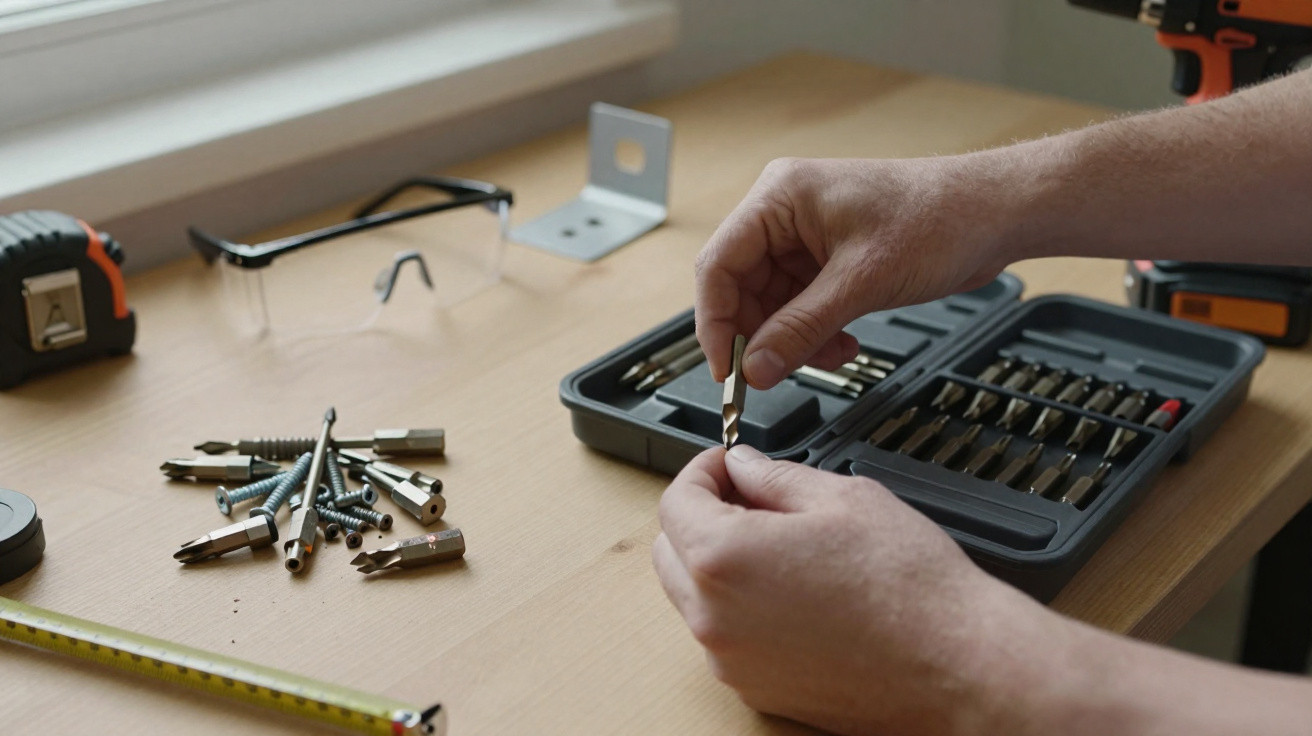
Measure carefully, read instructions before opening packets and allow extra time. If you are using a drill or other power tool for the first time, practise on an offcut first and wear eye protection.
Always check for hidden pipes and cables before drilling. A detector can help, but it is not a guarantee. Consider the likely route of services, inspect the other side of the wall where possible and do not drill if you are uncertain.
Common mistakes that make DIY harder
Most costly household mistakes come from rushing or covering up a symptom instead of finding the cause.
- Painting over damp: Repair the cause first, whether it is a leaking gutter, defective pointing, plumbing leak or inadequate ventilation.
- Blocking ventilation: Do not cover air bricks, extractor outlets or chimney ventilation. Restricting airflow can worsen condensation and damp.
- Using the wrong fixing: Plasterboard, masonry and timber need different fixings. Heavy items may need to be fixed into studs or solid structure.
- Ignoring old-building materials: Traditional solid-wall homes often need breathable repair materials. Impermeable coatings can trap moisture in the wall.
- Overloading sockets: Extension leads are not a permanent answer to insufficient sockets. Avoid daisy-chaining adaptors and extension leads.
- Trying to solve everything alone: A cautious call to a professional can be cheaper than repairing an unsafe or poorly executed job.
Know when DIY should stop
Some work is not suitable for a beginner, however keen they may be. Use appropriately qualified professionals for gas work, significant electrical work, structural alterations, asbestos concerns, roof work at height, drainage changes and work affecting fire safety.
Building Regulations may apply to certain alterations. Requirements differ across the UK, so check with your local authority building control service before starting substantial work. Leaseholders may also need consent from a freeholder or managing agent, while tenants should get written permission from their landlord before making changes.
Take care with household chemicals too. Never mix bleach with vinegar, descaler, toilet cleaner or other acidic products, as dangerous fumes can be produced. Ventilate the room, follow product instructions and wear suitable gloves when cleaning or decorating.
Give yourself one useful job this month
Practical confidence is not about doing every repair yourself. It is about recognising a problem, taking the safe first step and knowing when to bring in help.
Choose one unglamorous but worthwhile task: locate the stopcock, test the alarms, photograph the consumer-unit labels, clear leaves from a safely accessible gutter outlet, check pipe insulation or assemble a small emergency cupboard. These jobs make everyday life easier - and can make a difficult day at home feel much more manageable.











Comments
No comments yet. Be the first to comment!
Leave a Comment